THE ADVENTURE COLLECTIVE® · Independent discovery and booking for outdoor travel

A compact, three-day safari that packs Tarangire’s elephants, Lake Manyara’s flamingos and Ngorongoro’s crater ecosystem into one budget-friendly loop. Expect long game-drive days, expert guides, and concentrated wildlife viewing across contrasting landscapes.
A compact, three-day safari that packs Tarangire’s elephants, Lake Manyara’s flamingos and Ngorongoro’s crater ecosystem into one budget-friendly loop. Expect long game-drive days, expert guides, and concentrated wildlife viewing across contrasting landscapes.
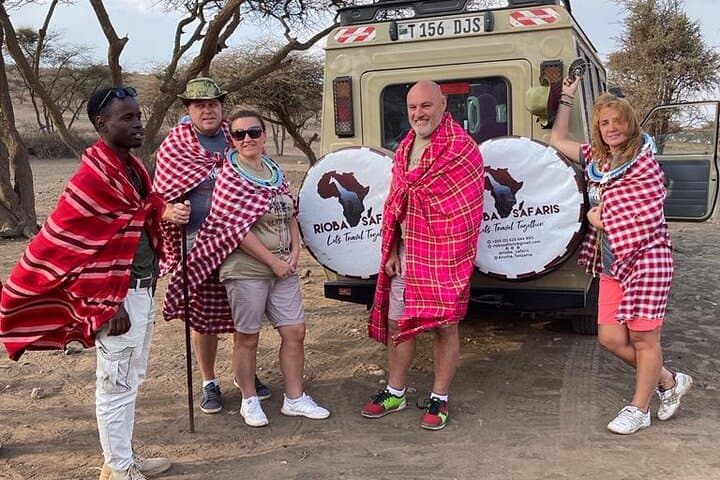
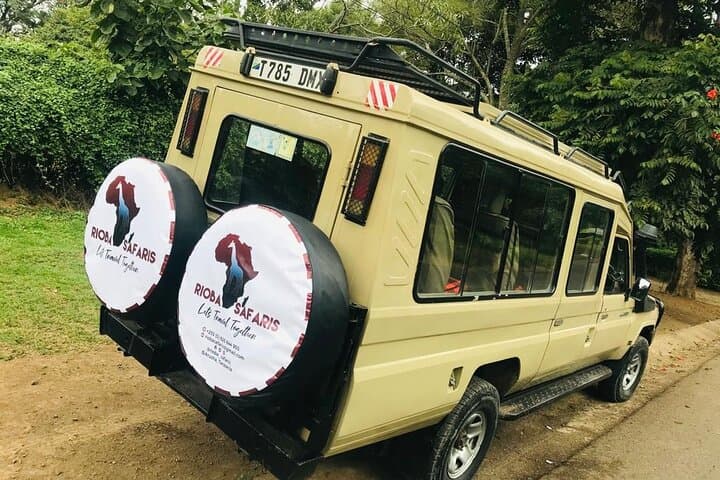
Dust lifts off the dirt road as the Land Cruiser threads between baobabs and low acacia. Early light slants across Tarangire’s floodplain; elephant families move like slow fortunes, trunks probing for spiny branches, while hornbills call from the canopy. Over three compact days, this route shifts from sparse savannah to the closed bowl of Ngorongoro’s crater, each landscape offering different rhythms and animal behaviors.
Verified experiences and guided adventures in the surrounding area.
Operated by RIOBA SAFARIS · Arusha, Arusha Region
Dust lifts off the dirt road as the Land Cruiser threads between baobabs and low acacia. Early light slants across Tarangire’s floodplain; elephant families move like slow fortunes, trunks probing for spiny branches, while hornbills call from the canopy. Over three compact days, this route shifts from sparse savannah to the closed bowl of Ngorongoro’s crater, each landscape offering different rhythms and animal behaviors.
The northern circuit has long been the backbone of Tanzanian safaris. Tarangire’s seasonal floods concentrate elephants and waterbirds; Lake Manyara’s alkaline shoreline attracts flamingos and the rare tree-climbing lion; Ngorongoro is a collapsed volcanic caldera with an enclosed ecosystem that sustains high predator and prey densities. The Maasai have grazed these slopes for generations, and the Ngorongoro Conservation Area combines strict wildlife protection with pastoral rights—a unique human–nature arrangement.
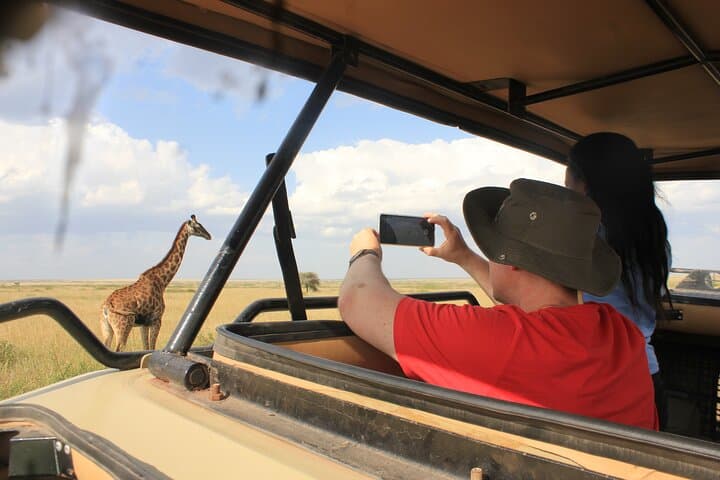
Expect vehicle-based game drives with frequent short walks at lodges; early starts are standard to catch predators at dawn and birds at first light. Guides will read tracks, position the vehicle quietly, and set picnic lunches near scenic overlooks or hippo pools. Weather swings quickly between warm midday sun and chilly crater mornings, so pack layers and a windproof shell.
Practical notes: carry sufficient water, keep camera batteries charged, and respect distance rules around wildlife. Park entry and crater fees are significant—confirm inclusive pricing—while road time between parks means luggage should be compact and accessible. For travelers seeking intense wildlife encounters in a condensed window, this three-day circuit delivers concentrated viewing with modest physical demands.
easy.
3 days.
Suitable for travelers in average physical condition—mostly vehicle-based with short walks; be prepared for long hours sitting.
This itinerary indicates crater admission is included for Ngorongoro; confirm with the operator whether all park fees for Tarangire and Lake Manyara are covered before booking.
Yes—operators often accept families, but infants may need to sit on laps and vehicle comfort varies; clarify child policies and vehicle seat options when booking.
The dry season (June–October) concentrates wildlife and offers easier viewing; short rains (Nov–Dec) and long rains (Mar–May) can bring fewer sightings but lush landscapes and bird activity.
Physically easy: most time is spent in a vehicle with short walks; however expect early starts and long days—good mobility and tolerance for dusty roads help.
Ngorongoro is a collapsed volcanic caldera formed approximately 2–3 million years ago; the region is also culturally significant to Maasai pastoralists who live within the conservation area.
The Ngorongoro Conservation Area balances wildlife protection with Maasai grazing rights; visitors are asked to minimize disturbance, avoid single-use plastics, and follow local guide directions to reduce impact.
RIOBA SAFARIS operates guided outdoor trips and adventures with an emphasis on safety, stewardship, and memorable experiences.
Dust lifts off the dirt road as the Land Cruiser threads between baobabs and low acacia. Early light slants across Tarangire’s floodplain; elephant families move like slow fortunes, trunks probing for spiny branches, while hornbills call from the canopy. Over three compact days, this route shifts from sparse savannah to the closed bowl of Ngorongoro’s crater, each landscape offering different rhythms and animal behaviors.
Dust lifts off the dirt road as the Land Cruiser threads between baobabs and low acacia. Early light slants across Tarangire’s floodplain; elephant families move like slow fortunes, trunks probing for spiny branches, while hornbills call from the canopy. Over three compact days, this route shifts from sparse savannah to the closed bowl of Ngorongoro’s crater, each landscape offering different rhythms and animal behaviors.
The northern circuit has long been the backbone of Tanzanian safaris. Tarangire’s seasonal floods concentrate elephants and waterbirds; Lake Manyara’s alkaline shoreline attracts flamingos and the rare tree-climbing lion; Ngorongoro is a collapsed volcanic caldera with an enclosed ecosystem that sustains high predator and prey densities. The Maasai have grazed these slopes for generations, and the Ngorongoro Conservation Area combines strict wildlife protection with pastoral rights—a unique human–nature arrangement.
Expect vehicle-based game drives with frequent short walks at lodges; early starts are standard to catch predators at dawn and birds at first light. Guides will read tracks, position the vehicle quietly, and set picnic lunches near scenic overlooks or hippo pools. Weather swings quickly between warm midday sun and chilly crater mornings, so pack layers and a windproof shell.
Practical notes: carry sufficient water, keep camera batteries charged, and respect distance rules around wildlife. Park entry and crater fees are significant—confirm inclusive pricing—while road time between parks means luggage should be compact and accessible. For travelers seeking intense wildlife encounters in a condensed window, this three-day circuit delivers concentrated viewing with modest physical demands.