THE ADVENTURE COLLECTIVE® · Independent discovery and booking for outdoor travel

Three days of intense, vehicle-based safari through Tarangire, Ngorongoro Crater and Lake Manyara, offering elephants, tree-climbing lions and huge flocks of flamingoes. Early starts, long drives and basic campsite stays make this a concentrated wildlife experience from Arusha.
Three days of intense, vehicle-based safari through Tarangire, Ngorongoro Crater and Lake Manyara, offering elephants, tree-climbing lions and huge flocks of flamingoes. Early starts, long drives and basic campsite stays make this a concentrated wildlife experience from Arusha.
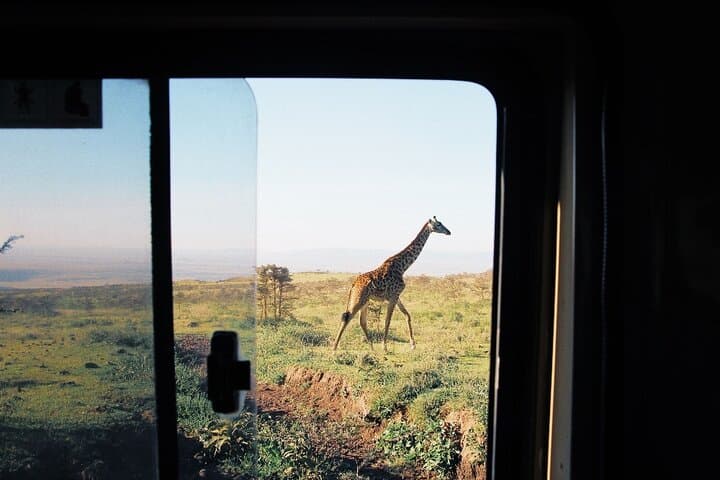
Dawn in the northern Tanzanian plains arrives with a hush that feels like a held breath. You step into a 4x4 as the world unfurls: baobabs puncture the horizon at Tarangire, the Ngorongoro rim looms like a giant bowl holding an entire ecosystem, and Lake Manyara’s shallow shore shivers with flamingo-pink.
Verified experiences and guided adventures in the surrounding area.
Operated by Go With Me Photographic Safaris · Arusha, Arusha Region
Dawn in the northern Tanzanian plains arrives with a hush that feels like a held breath. You step into a 4x4 as the world unfurls: baobabs puncture the horizon at Tarangire, the Ngorongoro rim looms like a giant bowl holding an entire ecosystem, and Lake Manyara’s shallow shore shivers with flamingo-pink.
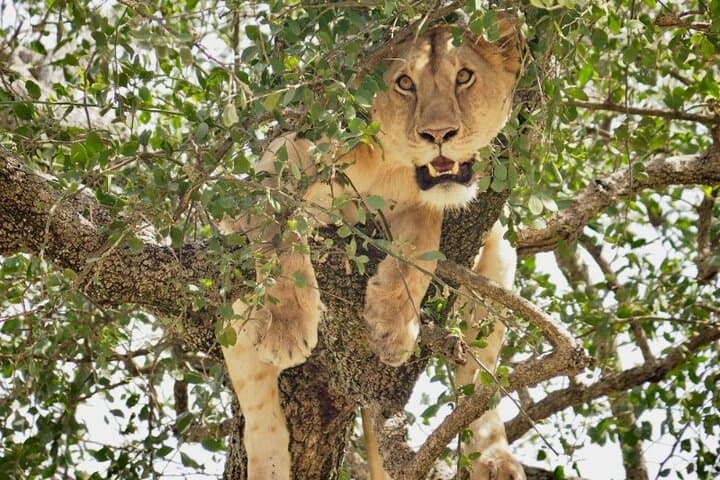
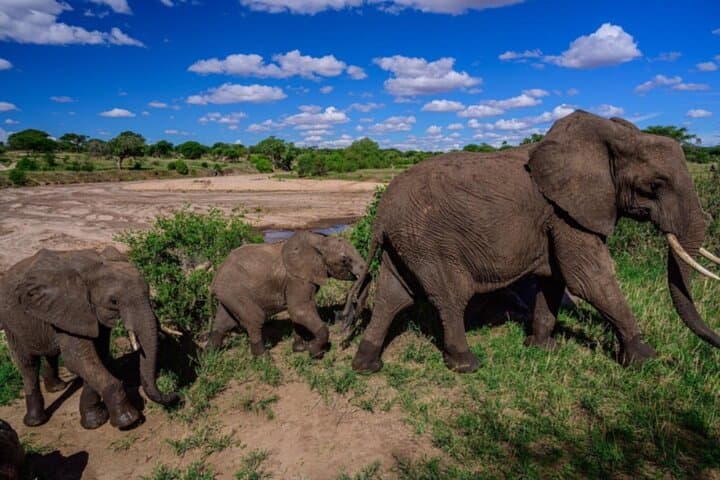
These three parks read like chapters in the rift valley’s geologic story. Tarangire’s rolling terraces and riverine woodlands support huge elephant herds; Ngorongoro is an ancient volcanic caldera—its steep walls trap water and graze a permanent wildlife population; Lake Manyara rests on a fault line, its alkaline shallows attracting hundreds of bird species and the odd tree-climbing lion.
Local culture threads through the trip: Maasai grazing cattle on the crater rims, Mto wa Mbu’s market offering fresh bananas and grilled maize. Park fees and community tourism programs help fund conservation and local services.
Practical guide: expect long game-drive days, early starts (pre-dawn departures), basic campsite accommodation, and vehicle-based wildlife viewing. Pack layered clothing for cool mornings and hot afternoons, bring binoculars and a camera with a good zoom, and keep water and sun protection handy. Roads within parks are rutted—motion sickness remedies are useful. Respect keeper rules: stay in the vehicle unless instructed, and keep noise low—wildlife here responds quickly to human presence.
This itinerary delivers close encounters with elephants, flamingoes, and the crater’s resident megafauna—an efficient, grounded safari loop that trades luxury for raw, sustained wildlife viewing.
moderate.
3 days (full-day game drives each day).
Suitable for travelers in average physical condition; requires tolerance for long vehicle rides and basic campsite nights.
Expect full days of driving—typically 6–8 hours with stops for sightings, photography, and a picnic lunch.
Accommodation is at basic campsites with sleeping bags and camping equipment provided; facilities are simple and may include shared ablutions.
Ngorongoro offers the best chance for multiple 'Big Five' species, including black rhino, but sightings cannot be guaranteed—wildlife is wild.
Yes—park fees, all transportation while in the parks, meals listed, accommodation and a professional driver/guide are included in the tour price.
Ngorongoro Crater sits inside a conservation area inhabited by Maasai communities for generations; Olduvai Gorge nearby is a key paleoanthropological site where early human remains were found.
Park fees support Tanzania National Parks and local community projects; follow your guide’s instructions to minimize disturbance—avoid littering, feeding wildlife, or stopping in undesignated areas.
Go With Me Photographic Safaris operates guided outdoor trips and adventures with an emphasis on safety, stewardship, and memorable experiences.
Dawn in the northern Tanzanian plains arrives with a hush that feels like a held breath. You step into a 4x4 as the world unfurls: baobabs puncture the horizon at Tarangire, the Ngorongoro rim looms like a giant bowl holding an entire ecosystem, and Lake Manyara’s shallow shore shivers with flamingo-pink.
Dawn in the northern Tanzanian plains arrives with a hush that feels like a held breath. You step into a 4x4 as the world unfurls: baobabs puncture the horizon at Tarangire, the Ngorongoro rim looms like a giant bowl holding an entire ecosystem, and Lake Manyara’s shallow shore shivers with flamingo-pink.
These three parks read like chapters in the rift valley’s geologic story. Tarangire’s rolling terraces and riverine woodlands support huge elephant herds; Ngorongoro is an ancient volcanic caldera—its steep walls trap water and graze a permanent wildlife population; Lake Manyara rests on a fault line, its alkaline shallows attracting hundreds of bird species and the odd tree-climbing lion.
Local culture threads through the trip: Maasai grazing cattle on the crater rims, Mto wa Mbu’s market offering fresh bananas and grilled maize. Park fees and community tourism programs help fund conservation and local services.
Practical guide: expect long game-drive days, early starts (pre-dawn departures), basic campsite accommodation, and vehicle-based wildlife viewing. Pack layered clothing for cool mornings and hot afternoons, bring binoculars and a camera with a good zoom, and keep water and sun protection handy. Roads within parks are rutted—motion sickness remedies are useful. Respect keeper rules: stay in the vehicle unless instructed, and keep noise low—wildlife here responds quickly to human presence.
This itinerary delivers close encounters with elephants, flamingoes, and the crater’s resident megafauna—an efficient, grounded safari loop that trades luxury for raw, sustained wildlife viewing.