THE ADVENTURE COLLECTIVE® · Independent discovery and booking for outdoor travel

Cover Tarangire’s baobab-studded plains and Ngorongoro’s volcanic amphitheater in three compact days from Arusha. This safari pairs high wildlife density with straightforward logistics—ideal for first-time safari-goers who want maximum sightings with lodge comfort.
Cover Tarangire’s baobab-studded plains and Ngorongoro’s volcanic amphitheater in three compact days from Arusha. This safari pairs high wildlife density with straightforward logistics—ideal for first-time safari-goers who want maximum sightings with lodge comfort.
Dawn arrives on the dusty road out of Arusha and the Land Cruiser eats up miles of acacia-dotted plain. Guides scan horizons with practiced calm as elephants silhouette against a pale sun; baobab trunks stand like old watchmen daring you closer. Over three days the rhythm is simple: early departure, long game drives across Tarangire’s riverine corridors, then the vertiginous descent into Ngorongoro’s bowl where crater walls frame a high-concentration arena of wildlife.
Verified experiences and guided adventures in the surrounding area.
Operated by Bigfivetrails · Arusha, Arusha Region
Dawn arrives on the dusty road out of Arusha and the Land Cruiser eats up miles of acacia-dotted plain. Guides scan horizons with practiced calm as elephants silhouette against a pale sun; baobab trunks stand like old watchmen daring you closer. Over three days the rhythm is simple: early departure, long game drives across Tarangire’s riverine corridors, then the vertiginous descent into Ngorongoro’s bowl where crater walls frame a high-concentration arena of wildlife.
Tarangire’s geology is flat, dominated by seasonal river channels and ancient alluvial soils that feed tall grasses and tight elephant herds. Ngorongoro is a collapsed volcano — a 600-meter-walled amphitheater whose crater floor collects water, grassland and predators in a compact theater. The region is also cultural land: Maasai communities live and graze livestock on the crater rim and Olduvai Gorge nearby records early human history.
Practically, expect long periods in a safari vehicle, multiple game drives each day, picnic lunches, and lodge-based evenings. Guides manage permits and parking in protected areas; vehicle limits in Ngorongoro mean patience and timing matter. Bring binoculars, sun protection and layers for cold mornings at altitude. Hydrate before drives and carry medication if you’re prone to travel sickness — roads are bumpy. Respect distance rules around animals and the cultural practices of local communities. With basic preparation, this compact itinerary delivers high odds of seeing elephants, lions, and the close, watchful drama of East African savanna life.
easy.
3 days.
Minimal fitness required for vehicle-based game drives; able to climb in/out of safari vehicle and walk short distances around lodges.
No—this vehicle-based safari is rated easy; most activity involves sitting in the vehicle and short walks around lodges or picnic areas.
Ngorongoro crater admission is noted as included for the crater game drive in this itinerary, but confirm what is covered at booking—conservation fees can vary.
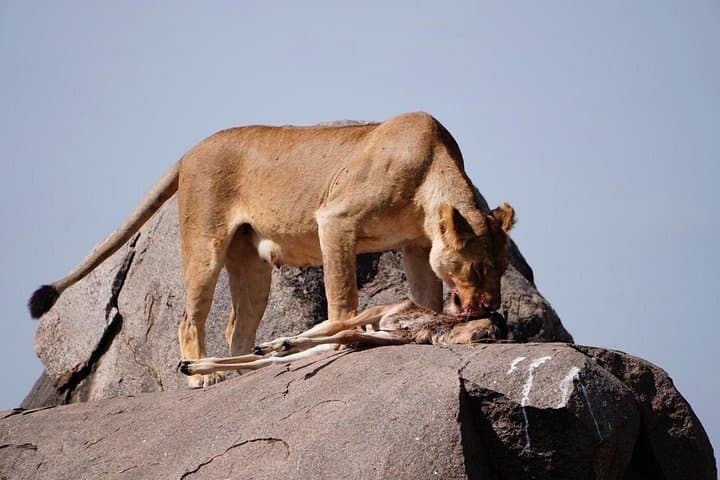
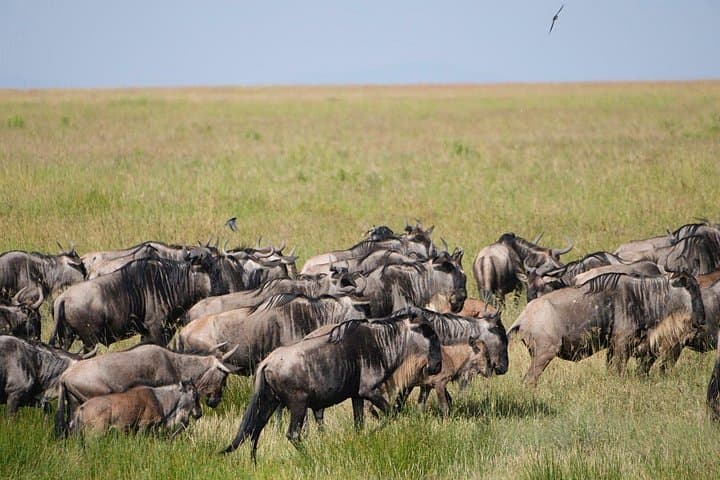
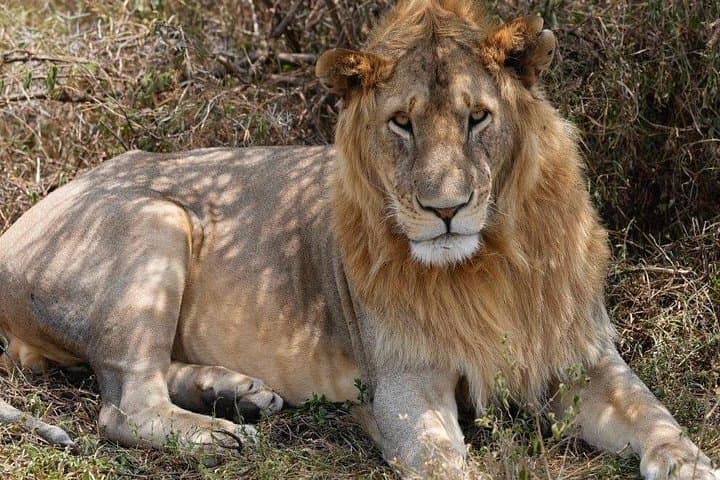
High odds of seeing elephants, lions, buffalo, zebra and a variety of antelope in Tarangire and Ngorongoro; flamingos appear seasonally on shallow lakes.
Roads can be bumpy and dusty—expect 2–3 hour drives with uneven surfaces; comfortable seating and motion-sickness precautions are recommended.
Ngorongoro sits within a conservation area that balances wildlife protection with Maasai pastoralism; nearby Olduvai Gorge is a key archaeological site for early human fossils.
Vehicle limits and strict park rules in Ngorongoro reduce disturbance; support local conservation by following guide instructions and avoiding single-use plastics.
Bigfivetrails operates guided outdoor trips and adventures with an emphasis on safety, stewardship, and memorable experiences.
Dawn arrives on the dusty road out of Arusha and the Land Cruiser eats up miles of acacia-dotted plain. Guides scan horizons with practiced calm as elephants silhouette against a pale sun; baobab trunks stand like old watchmen daring you closer. Over three days the rhythm is simple: early departure, long game drives across Tarangire’s riverine corridors, then the vertiginous descent into Ngorongoro’s bowl where crater walls frame a high-concentration arena of wildlife.
Dawn arrives on the dusty road out of Arusha and the Land Cruiser eats up miles of acacia-dotted plain. Guides scan horizons with practiced calm as elephants silhouette against a pale sun; baobab trunks stand like old watchmen daring you closer. Over three days the rhythm is simple: early departure, long game drives across Tarangire’s riverine corridors, then the vertiginous descent into Ngorongoro’s bowl where crater walls frame a high-concentration arena of wildlife.
Tarangire’s geology is flat, dominated by seasonal river channels and ancient alluvial soils that feed tall grasses and tight elephant herds. Ngorongoro is a collapsed volcano — a 600-meter-walled amphitheater whose crater floor collects water, grassland and predators in a compact theater. The region is also cultural land: Maasai communities live and graze livestock on the crater rim and Olduvai Gorge nearby records early human history.
Practically, expect long periods in a safari vehicle, multiple game drives each day, picnic lunches, and lodge-based evenings. Guides manage permits and parking in protected areas; vehicle limits in Ngorongoro mean patience and timing matter. Bring binoculars, sun protection and layers for cold mornings at altitude. Hydrate before drives and carry medication if you’re prone to travel sickness — roads are bumpy. Respect distance rules around animals and the cultural practices of local communities. With basic preparation, this compact itinerary delivers high odds of seeing elephants, lions, and the close, watchful drama of East African savanna life.