THE ADVENTURE COLLECTIVE® · Independent discovery and booking for outdoor travel

Three days of focused game drives across Tarangire, Ngorongoro Crater and Lake Manyara deliver close wildlife encounters, crater panoramas and Rift Valley scenery—ideal for travelers wanting a compact, high-yield safari.
Three days of focused game drives across Tarangire, Ngorongoro Crater and Lake Manyara deliver close wildlife encounters, crater panoramas and Rift Valley scenery—ideal for travelers wanting a compact, high-yield safari.
You arrive at dawn with dust in the air and the silhouette of baobabs against a pale orange sky. A customized 4x4 Land Cruiser hums to life, its pop-up roof promising unobstructed views as you push into Tarangire where elephant herds move like slow weather across the plains.
Verified experiences and guided adventures in the surrounding area.
Operated by African Overland · Arusha, Arusha Region
You arrive at dawn with dust in the air and the silhouette of baobabs against a pale orange sky. A customized 4x4 Land Cruiser hums to life, its pop-up roof promising unobstructed views as you push into Tarangire where elephant herds move like slow weather across the plains.
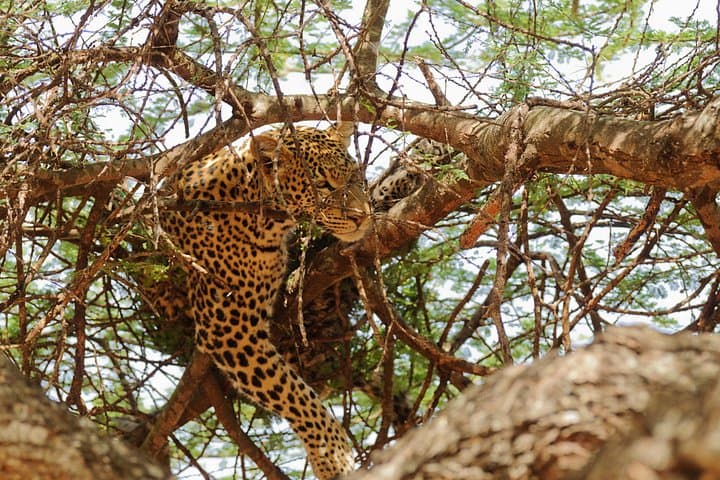
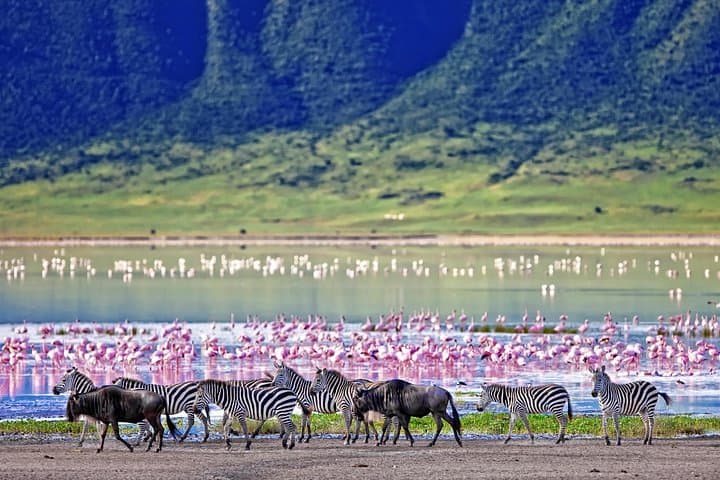
Over three days the route reads like a primer on northern Tanzania’s ecology: Tarangire’s elephant concentrations and ancient baobabs, the volcanic caldera of Ngorongoro with its dense animal population, and the Rift-valley edge at Lake Manyara where hippos wallow and tree-climbing lions laze.
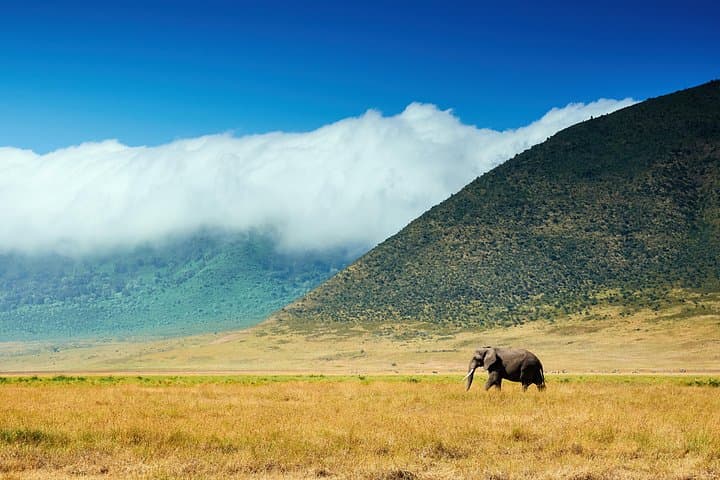
Geology here is plain to read — Ngorongoro is a collapsed volcano whose rim sits roughly 2,200–2,400 m above sea level, creating a self-contained ecosystem on the crater floor. Culture and history overlap with Maasai communities on the highlands; their grazing traditions and land-use patterns shape the parks’ borders and wildlife movement.
Practically: expect 3 full days of game drives (roughly 3–5 hours of driving each major stop), mid-range hotel nights in Karatu, and included park fees, meals, and bottled water. Roads are often dusty and bumpy; photographers and binocular users get the best returns from early-morning and late-afternoon light.
Pack sun protection, light layers for cool crater mornings, and a patient eye — sightings aren’t guaranteed but the concentration of species in Ngorongoro makes it the best single window for Big Five viewing. Respect park rules, keep distance from wildlife, and bring local currency for tips and incidental purchases.
easy.
3 days.
Suitable for travelers in average fitness; mostly vehicle-based with short walks—be prepared for long periods seated and occasional uneven terrain.
No—wildlife sightings vary by season and animal movement; however Ngorongoro has one of the highest concentrations of species and offers the best odds for spotting the Big Five.
Pickups are typically arranged from Kilimanjaro International Airport or Arusha; the itinerary returns to Arusha on day three for onward travel.
Mid-range hotel stays in Karatu (full-board during safari) are included as noted in the itinerary.
This safari is not recommended for pregnant travelers or those with serious cardiovascular issues due to remote travel and potentially bumpy roads.
Ngorongoro formed from a collapsed volcano about two million years ago; the crater’s fertile floor supports an unusually dense wildlife population.
Parks work with local Maasai communities on land-use agreements; visitors should follow park rules, avoid single-use plastics, and minimize disturbance to animals.
African Overland operates guided outdoor trips and adventures with an emphasis on safety, stewardship, and memorable experiences.
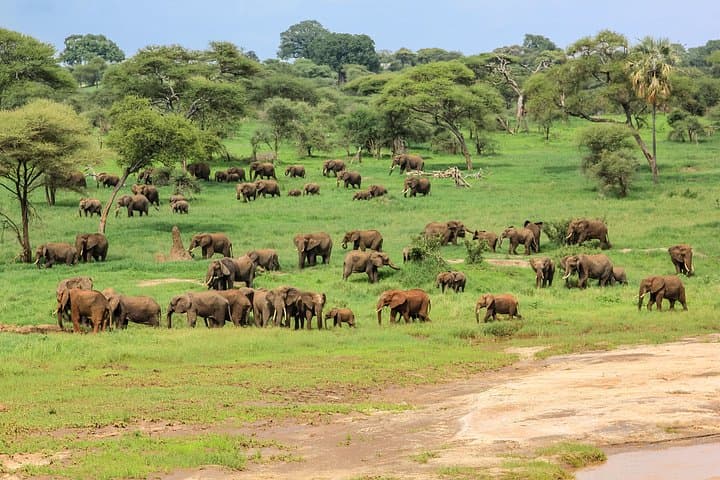
You arrive at dawn with dust in the air and the silhouette of baobabs against a pale orange sky. A customized 4x4 Land Cruiser hums to life, its pop-up roof promising unobstructed views as you push into Tarangire where elephant herds move like slow weather across the plains.
You arrive at dawn with dust in the air and the silhouette of baobabs against a pale orange sky. A customized 4x4 Land Cruiser hums to life, its pop-up roof promising unobstructed views as you push into Tarangire where elephant herds move like slow weather across the plains.
Over three days the route reads like a primer on northern Tanzania’s ecology: Tarangire’s elephant concentrations and ancient baobabs, the volcanic caldera of Ngorongoro with its dense animal population, and the Rift-valley edge at Lake Manyara where hippos wallow and tree-climbing lions laze.
Geology here is plain to read — Ngorongoro is a collapsed volcano whose rim sits roughly 2,200–2,400 m above sea level, creating a self-contained ecosystem on the crater floor. Culture and history overlap with Maasai communities on the highlands; their grazing traditions and land-use patterns shape the parks’ borders and wildlife movement.
Practically: expect 3 full days of game drives (roughly 3–5 hours of driving each major stop), mid-range hotel nights in Karatu, and included park fees, meals, and bottled water. Roads are often dusty and bumpy; photographers and binocular users get the best returns from early-morning and late-afternoon light.
Pack sun protection, light layers for cool crater mornings, and a patient eye — sightings aren’t guaranteed but the concentration of species in Ngorongoro makes it the best single window for Big Five viewing. Respect park rules, keep distance from wildlife, and bring local currency for tips and incidental purchases.