THE ADVENTURE COLLECTIVE® · Independent discovery and booking for outdoor travel

Spend three days at Tangala Safari Camp in Thornybush for early-morning and sunset game drives, waterhole viewing, and eco-conscious camp comfort. This short safari combines focused Big Five searches with relaxed deckside wildlife watching.
Spend three days at Tangala Safari Camp in Thornybush for early-morning and sunset game drives, waterhole viewing, and eco-conscious camp comfort. This short safari combines focused Big Five searches with relaxed deckside wildlife watching.
Dawn breaks over the Thornybush plains and the first low, warm light slips across Tangala Safari Camp’s waterhole, waking birds and drawing browsers to drink. The camp’s colonial tents sit on raised decks; from them the waterhole frames cinematic animal movements while the Drakensberg-like ridgeline anchors the horizon.
Verified experiences and guided adventures in the surrounding area.
Operated by MoAfrika Tours · Hoedspruit, Limpopo
Dawn breaks over the Thornybush plains and the first low, warm light slips across Tangala Safari Camp’s waterhole, waking birds and drawing browsers to drink. The camp’s colonial tents sit on raised decks; from them the waterhole frames cinematic animal movements while the Drakensberg-like ridgeline anchors the horizon.
Established in 1940 as one of Thornybush’s earliest camps, Tangala sits on soils shaped by ancient inland uplift and seasonal rivers that carve sandy corridors of riverine forest. The reserve borders Kruger National Park and shares the same granite and gneiss bedrock; game moves along predictable trails where mopane and acacia mix with riverine fever trees. Local Shangaan culture—visible in camp cuisine and guiding practices—adds a human rhythm to the wild’s tempo.
Expect guided open-vehicle game drives at first light and dusk, 3-hour outings focused on tracking lions, elephants, leopards, buffalo and rhino; afternoons are for poolside downtime and deck-side sightings. Photography windows are wide open—glassless vehicle roofs and patient guides increase encounter quality.
Practical guidance: pack neutral, breathable layers for cool mornings and hot afternoons; bring long sleeves for evening drives to fend off dust and mosquitoes. Hydrate; vehicles carry water but sun and dry air add flux. Respect the guide’s instructions—close windows when told and avoid sudden movement during sightings. Transfers run 5–6 hours to OR Tambo; plan flights with that timing in mind.
Tangala delivers close-range Big Five viewing with eco-conscious operations—solar power and a compact guest footprint—making it a focused, low-friction safari for first-timers and repeat observers alike.
easy.
3 days.
Low fitness required—able to step in/out of safari vehicles and walk short distances to hides.
Yes—this is a low to moderate malaria risk area; consult a travel clinic for prophylaxis and use repellents and nets as recommended.
Expect a 5–6 hour transfer to OR Tambo International Airport; departures are scheduled to arrive by about 17:00.
Yes—drives are family-friendly but follow age or safety limits set by the operator; younger children may have shorter tolerated drive times.
Tangala offers luxury colonial tents, boma dining, and solar-powered facilities—comfortable but with a true bush atmosphere.
Tangala was established in 1940 as one of Thornybush’s original camps; the reserve’s boundaries and guiding traditions evolved alongside Kruger’s conservation history.
Tangala operates on solar energy and practices low-impact guest management; Thornybush emphasizes anti-poaching patrols and habitat connectivity with Kruger to protect wide-ranging species.
MoAfrika Tours operates guided outdoor trips and adventures with an emphasis on safety, stewardship, and memorable experiences.
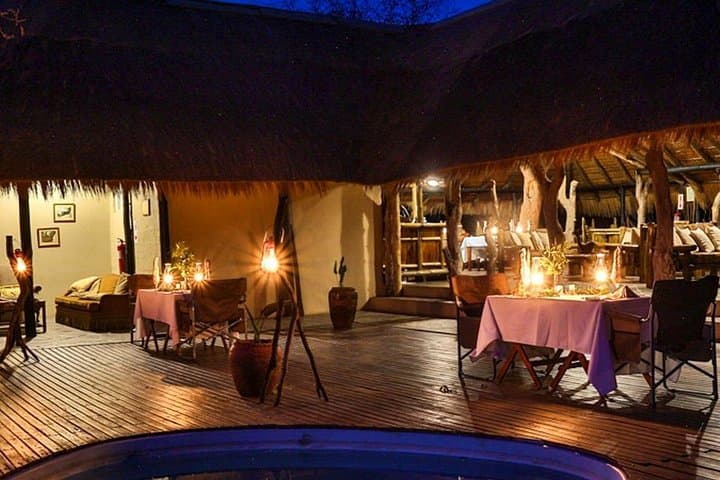
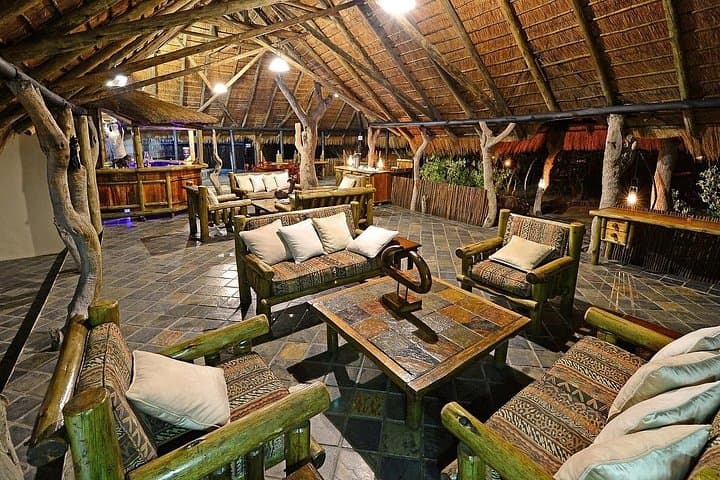
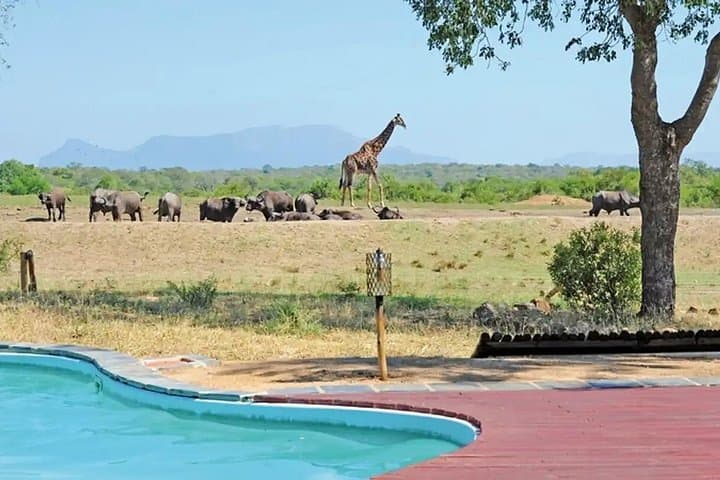
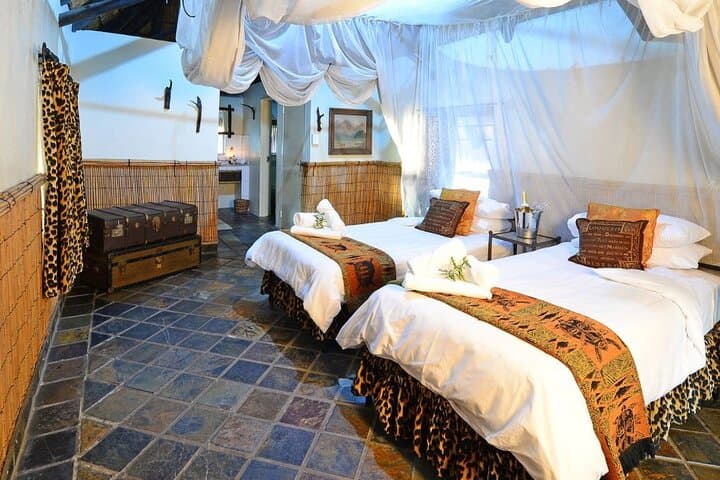
Dawn breaks over the Thornybush plains and the first low, warm light slips across Tangala Safari Camp’s waterhole, waking birds and drawing browsers to drink. The camp’s colonial tents sit on raised decks; from them the waterhole frames cinematic animal movements while the Drakensberg-like ridgeline anchors the horizon.
Dawn breaks over the Thornybush plains and the first low, warm light slips across Tangala Safari Camp’s waterhole, waking birds and drawing browsers to drink. The camp’s colonial tents sit on raised decks; from them the waterhole frames cinematic animal movements while the Drakensberg-like ridgeline anchors the horizon.
Established in 1940 as one of Thornybush’s earliest camps, Tangala sits on soils shaped by ancient inland uplift and seasonal rivers that carve sandy corridors of riverine forest. The reserve borders Kruger National Park and shares the same granite and gneiss bedrock; game moves along predictable trails where mopane and acacia mix with riverine fever trees. Local Shangaan culture—visible in camp cuisine and guiding practices—adds a human rhythm to the wild’s tempo.
Expect guided open-vehicle game drives at first light and dusk, 3-hour outings focused on tracking lions, elephants, leopards, buffalo and rhino; afternoons are for poolside downtime and deck-side sightings. Photography windows are wide open—glassless vehicle roofs and patient guides increase encounter quality.
Practical guidance: pack neutral, breathable layers for cool mornings and hot afternoons; bring long sleeves for evening drives to fend off dust and mosquitoes. Hydrate; vehicles carry water but sun and dry air add flux. Respect the guide’s instructions—close windows when told and avoid sudden movement during sightings. Transfers run 5–6 hours to OR Tambo; plan flights with that timing in mind.
Tangala delivers close-range Big Five viewing with eco-conscious operations—solar power and a compact guest footprint—making it a focused, low-friction safari for first-timers and repeat observers alike.