THE ADVENTURE COLLECTIVE® · Independent discovery and booking for outdoor travel

Combine a dawn safari in Jim Corbett with an afternoon at the Taj Mahal on this compact three-day loop. Expect long drives, early starts, and a mix of wildlife chance encounters and Mughal-era monument visits.
Combine a dawn safari in Jim Corbett with an afternoon at the Taj Mahal on this compact three-day loop. Expect long drives, early starts, and a mix of wildlife chance encounters and Mughal-era monument visits.
You step out before dawn as the road to Jim Corbett unfurls—mists lift from rice paddies, the AC hum of the private vehicle a steady companion. By morning the forest closes in, sun slanting through sal trees while the guide points to pug marks tucked into the leaf litter; by day three you’re staring at the pristine silhouette of the Taj Mahal, marble warmed by late-afternoon light.
Verified experiences and guided adventures in the surrounding area.
Operated by Padma Holidays · Ramnagar, Uttarakhand
You step out before dawn as the road to Jim Corbett unfurls—mists lift from rice paddies, the AC hum of the private vehicle a steady companion. By morning the forest closes in, sun slanting through sal trees while the guide points to pug marks tucked into the leaf litter; by day three you’re staring at the pristine silhouette of the Taj Mahal, marble warmed by late-afternoon light.
This short itinerary ties two Indian pillars: Mughal-era Agra, where Shah Jahan’s 17th-century mausoleum anchors world heritage, and Jim Corbett National Park, India’s oldest protected area originally designated in 1936. Geologically the Terai belt transitions from alluvial plains to the park’s low hills and riverine grasslands—terrain that concentrates wildlife and shapes safari routes. Culturally, expect roadside tea stalls, village life around Ramnagar, and regional Kumaoni influences near the park.
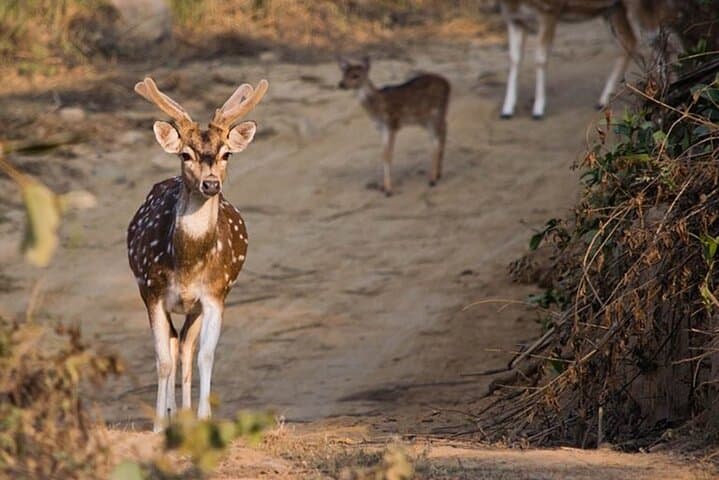
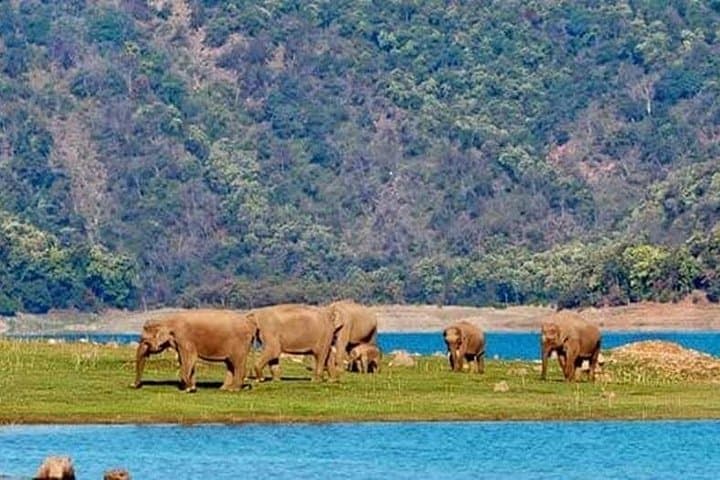
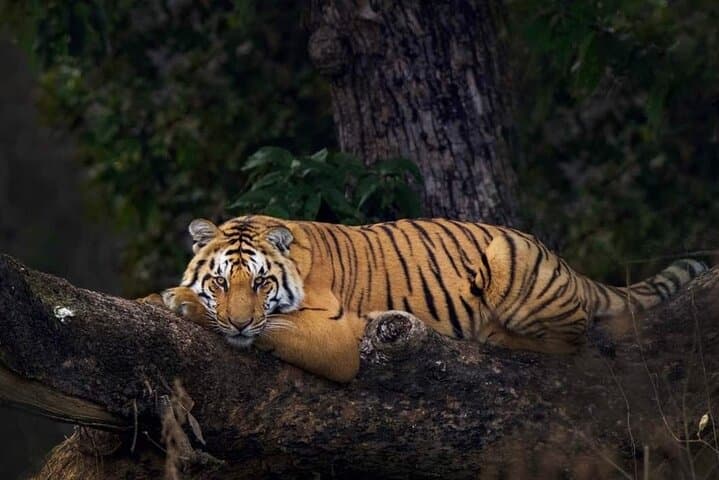
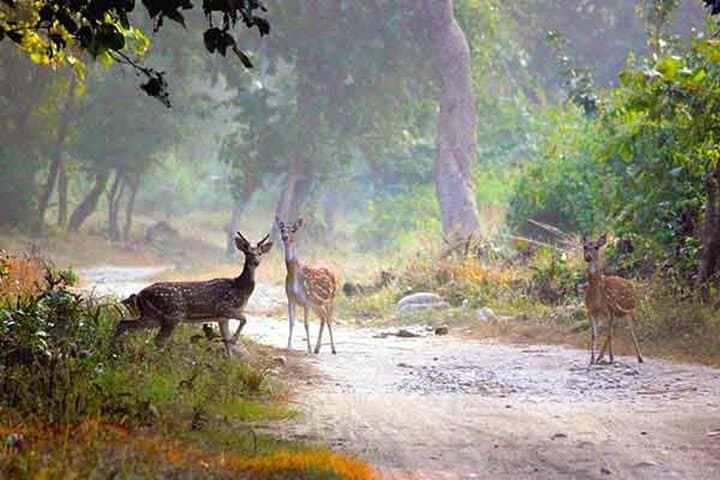
Practically, the trip is travel-intensive: plan two early mornings (safaris often start at dawn), long drives (Delhi–Corbett ~6–7 hours; Delhi–Agra ~3–4 hours), and private transfers with included meals and permits. Safari sightings—tigers, elephants, deer and migratory birds—are chance-based; booking the best zone increases odds but never guarantees a glimpse. Bring binoculars, layered clothing for cool mornings, and valid ID for park entry. Arrive 20 minutes early at boarding points, follow the guide’s instructions inside the reserve, and allocate time in Agra for monument queues and photography. The route blends high-contrast experiences—wildness and monumental architecture—into a compact, doable three-day loop for travelers who want culture followed by a pulse-quickening encounter with India’s wildlife.
moderate.
3 days.
Basic fitness for early-morning game drives and short walks; able to endure long vehicle transfers.
Tiger sightings depend on animal movement and are never guaranteed; booking the best available zone and early-morning safaris improves your chances.
Monument entrance can be included in some tour options—confirm at booking; foreign visitors need relevant ID for ticketing.
Winter (November–February) is best for cool, clear mornings and concentrated wildlife activity; dry season months generally increase visibility.
Safaris are generally safe but not recommended for pregnant travelers or guests with serious spinal or cardiovascular conditions; check specific restrictions with your operator.
The Taj Mahal was built in the mid-17th century by Shah Jahan; Jim Corbett National Park, created in 1936, is India’s earliest protected reserve and named for conservationist Jim Corbett.
Park authorities limit vehicle numbers and require permits; follow guide instructions and avoid littering—fees help fund anti-poaching and habitat management.
Padma Holidays operates guided outdoor trips and adventures with an emphasis on safety, stewardship, and memorable experiences.
You step out before dawn as the road to Jim Corbett unfurls—mists lift from rice paddies, the AC hum of the private vehicle a steady companion. By morning the forest closes in, sun slanting through sal trees while the guide points to pug marks tucked into the leaf litter; by day three you’re staring at the pristine silhouette of the Taj Mahal, marble warmed by late-afternoon light.
You step out before dawn as the road to Jim Corbett unfurls—mists lift from rice paddies, the AC hum of the private vehicle a steady companion. By morning the forest closes in, sun slanting through sal trees while the guide points to pug marks tucked into the leaf litter; by day three you’re staring at the pristine silhouette of the Taj Mahal, marble warmed by late-afternoon light.
This short itinerary ties two Indian pillars: Mughal-era Agra, where Shah Jahan’s 17th-century mausoleum anchors world heritage, and Jim Corbett National Park, India’s oldest protected area originally designated in 1936. Geologically the Terai belt transitions from alluvial plains to the park’s low hills and riverine grasslands—terrain that concentrates wildlife and shapes safari routes. Culturally, expect roadside tea stalls, village life around Ramnagar, and regional Kumaoni influences near the park.
Practically, the trip is travel-intensive: plan two early mornings (safaris often start at dawn), long drives (Delhi–Corbett ~6–7 hours; Delhi–Agra ~3–4 hours), and private transfers with included meals and permits. Safari sightings—tigers, elephants, deer and migratory birds—are chance-based; booking the best zone increases odds but never guarantees a glimpse. Bring binoculars, layered clothing for cool mornings, and valid ID for park entry. Arrive 20 minutes early at boarding points, follow the guide’s instructions inside the reserve, and allocate time in Agra for monument queues and photography. The route blends high-contrast experiences—wildness and monumental architecture—into a compact, doable three-day loop for travelers who want culture followed by a pulse-quickening encounter with India’s wildlife.