THE ADVENTURE COLLECTIVE® · Independent discovery and booking for outdoor travel

Three days on the Laikipia plains take you from Nairobi to Ol Pejeta Conservancy for morning and afternoon game drives, chimp sanctuary visits and the chance to see the last northern white rhinos. Expect early starts, long dirt roads and immersive wildlife viewing with expert guides.
Three days on the Laikipia plains take you from Nairobi to Ol Pejeta Conservancy for morning and afternoon game drives, chimp sanctuary visits and the chance to see the last northern white rhinos. Expect early starts, long dirt roads and immersive wildlife viewing with expert guides.
Dawn comes fast on the Laikipia plains: headlights carve through coffee and pineapple farms as the road climbs away from Nairobi, and by mid-morning the air tastes cooler with Mount Kenya’s snowline visible on the horizon.
Verified experiences and guided adventures in the surrounding area.
Operated by Sabilom Kenya Tours & Safaris · Nanyuki, Laikipia County
Dawn comes fast on the Laikipia plains: headlights carve through coffee and pineapple farms as the road climbs away from Nairobi, and by mid-morning the air tastes cooler with Mount Kenya’s snowline visible on the horizon.
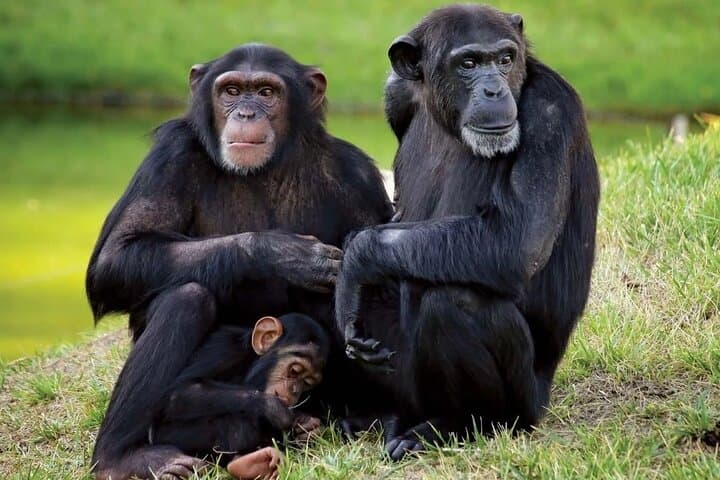
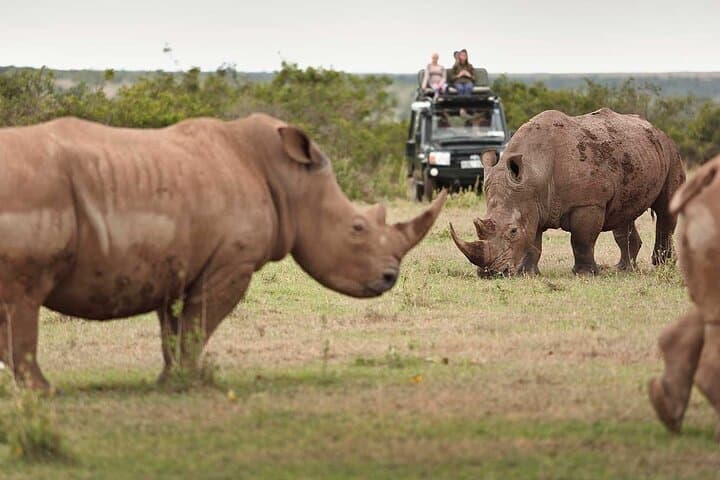
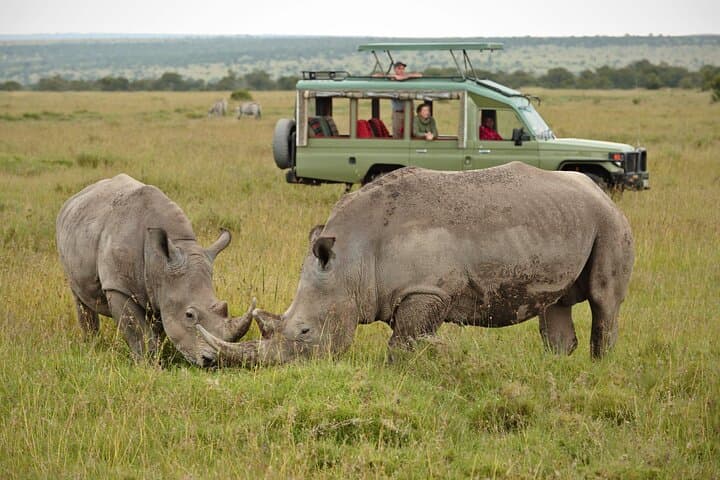
Ol Pejeta Conservancy spreads across rolling grassland, riverine forest and wetland between the Aberdares and Mount Kenya. The land was set aside to protect large mammals and today supports the Big Five—black rhino, elephant, buffalo, leopard and lion—alongside a Jane Goodall Institute chimpanzee sanctuary and the last two northern white rhinos on earth.
Geology here is young volcanic and glacial at higher elevations, giving way to shallow soils and open savanna that reward wide views and predictable game movement. Laikipia culture mixes pastoral Maasai and Kikuyu communities; many conservancy projects share revenue and grazing agreements with local families.
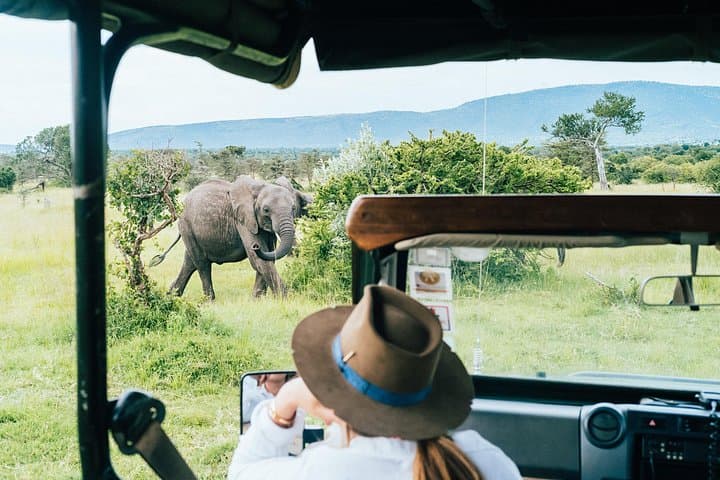
Practically, expect early starts for morning drives, long but comfortable dirt roads, and two full days of guided game viewing from a high-clearance 4x4. Sweetwaters Serena Tented Camp provides simple tented accommodation and camp meals; bottled water is provided on drives. Dress in layers for chilly mornings, carry binoculars and a camera with a telephoto lens, and be ready to stay quiet—wildlife encounters often depend on patient observation rather than speed.
Timing matters: the dry season concentrates animals around waterholes, while rains mean lush vegetation and excellent birding but harder visibility. Guides provide context on species behavior, conservation efforts and safe viewing practices—follow their lead for the best experience.
easy.
3 days.
Light fitness required—long hours in a vehicle and short walks; must be able to climb into a safari vehicle and endure dusty roads.
Expect about 4–5 hours each way depending on traffic and road conditions; departures are typically very early to maximize game time.
Yes—families are welcome, but check age limits with the operator and ensure children can tolerate long vehicle hours and follow safety guidelines.
The two remaining northern white rhinos are managed under strict protection; viewing is possible but controlled—your guide or camp staff will advise on access and etiquette.
Consult a travel clinic before departure—routine vaccinations and malaria prevention are commonly recommended for central Kenya.
Ol Pejeta evolved from private ranchlands into one of Kenya’s largest wildlife conservancies, combining habitat protection with community programs and species reintroduction.
The conservancy runs intensive anti-poaching patrols and rhino protection programs, and funnels tourism revenue into community development and habitat management.
Sabilom Kenya Tours & Safaris operates guided outdoor trips and adventures with an emphasis on safety, stewardship, and memorable experiences.
Dawn comes fast on the Laikipia plains: headlights carve through coffee and pineapple farms as the road climbs away from Nairobi, and by mid-morning the air tastes cooler with Mount Kenya’s snowline visible on the horizon.
Dawn comes fast on the Laikipia plains: headlights carve through coffee and pineapple farms as the road climbs away from Nairobi, and by mid-morning the air tastes cooler with Mount Kenya’s snowline visible on the horizon.
Ol Pejeta Conservancy spreads across rolling grassland, riverine forest and wetland between the Aberdares and Mount Kenya. The land was set aside to protect large mammals and today supports the Big Five—black rhino, elephant, buffalo, leopard and lion—alongside a Jane Goodall Institute chimpanzee sanctuary and the last two northern white rhinos on earth.
Geology here is young volcanic and glacial at higher elevations, giving way to shallow soils and open savanna that reward wide views and predictable game movement. Laikipia culture mixes pastoral Maasai and Kikuyu communities; many conservancy projects share revenue and grazing agreements with local families.
Practically, expect early starts for morning drives, long but comfortable dirt roads, and two full days of guided game viewing from a high-clearance 4x4. Sweetwaters Serena Tented Camp provides simple tented accommodation and camp meals; bottled water is provided on drives. Dress in layers for chilly mornings, carry binoculars and a camera with a telephoto lens, and be ready to stay quiet—wildlife encounters often depend on patient observation rather than speed.
Timing matters: the dry season concentrates animals around waterholes, while rains mean lush vegetation and excellent birding but harder visibility. Guides provide context on species behavior, conservation efforts and safe viewing practices—follow their lead for the best experience.