THE ADVENTURE COLLECTIVE® · Independent discovery and booking for outdoor travel

Three days across Swat Valley take you from Malam Jabba’s chair lifts to the forested jeep tracks above Kalam. Expect bright river valleys, bazaar culture, and short alpine hikes with dramatic glacier views.
Three days across Swat Valley take you from Malam Jabba’s chair lifts to the forested jeep tracks above Kalam. Expect bright river valleys, bazaar culture, and short alpine hikes with dramatic glacier views.
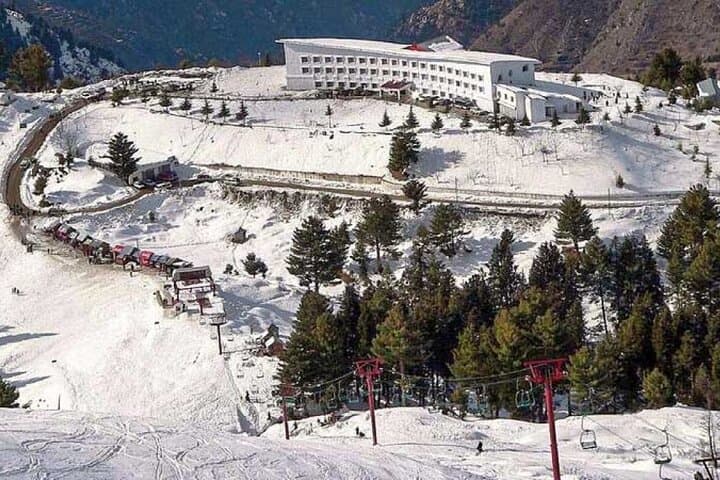
A morning light cut through pine and deodar as the convoy left Islamabad before dawn, the road folding into the Swat basin. By the time the valley opened—rivers running bright and terraces stepping up—the chair lifts of Malam Jabba hung like islands on a green shoulder of the Hindu Kush, daring visitors uphill for views that push the horizon away.
Verified experiences and guided adventures in the surrounding area.
Operated by Pakistan Travel Tourism · Mingora, Khyber Pakhtunkhwa
A morning light cut through pine and deodar as the convoy left Islamabad before dawn, the road folding into the Swat basin. By the time the valley opened—rivers running bright and terraces stepping up—the chair lifts of Malam Jabba hung like islands on a green shoulder of the Hindu Kush, daring visitors uphill for views that push the horizon away.
The region sits on the western edge of the high Himalaya system where Gandhara-era history meets glacial geology: stone ruins, Buddhist stupa fragments and rivers carved by ancient ice. Local Pashtun culture shapes markets and meals—karhai and chapli kebab appear alongside steaming cups of tea—and bazaars in Mingora and Bahrain are as much social centers as shopping strips.
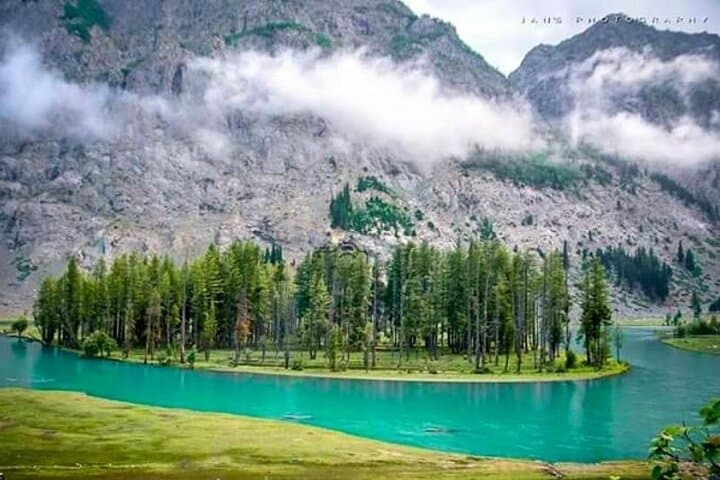
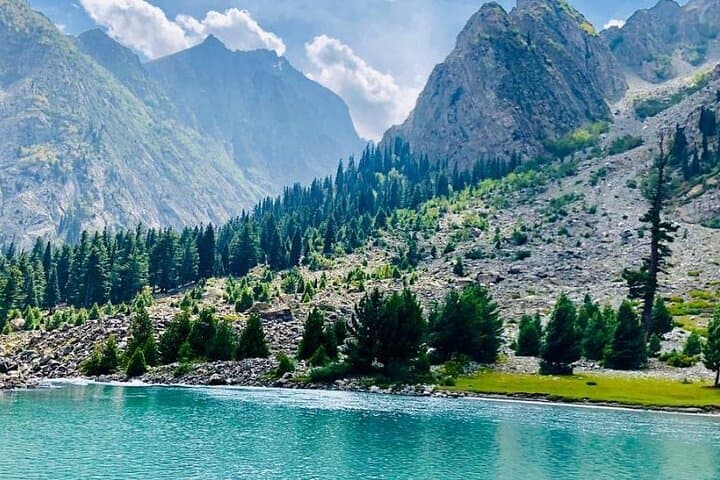
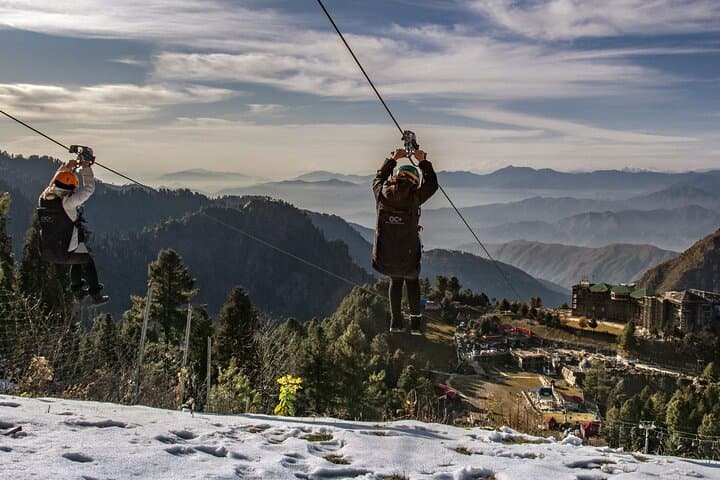
Day routes move from mellow chair-lift rides and optional ziplines at Malam Jabba to the jeep tracks that climb toward Ushu Forest and Glacier Point above Kalam. The terrain shifts fast: forested valley floors give way to alpine meadows and rocky moraine near glacial viewpoints; expect short, uneven walks and steep jeep approaches rather than long technical hikes.
Practical guidance: travel light on walking days, pack layers for temperature swings, and keep cash for bazaar purchases. Allow extra time for jeep transfers—mountain roads are variable—and plan morning departures for clearer weather at high viewpoints. Respect local customs, carry biodegradable waste bags, and bring sturdy footwear for short trails and slippery riverbanks. This tour balances scenic access with straightforward logistics, making it a compact way to sample Swat’s mountain landscapes and cultural rhythms.
moderate.
3 days.
Suitable for travelers in average fitness—able to handle long vehicle transfers, short uneven walks, and brief altitude changes
No; chair lift and zipline activities at Malam Jabba are typically not included—budget extra for on-site activity fees.
Yes—access to Ushu Forest and Glacier Point uses local jeep transfers; these are part of the itinerary logistics.
The itinerary is broadly accessible, but long drives and off-road jeep sections can be uncomfortable for very young children or those with limited mobility.
Pakistani rupees (PKR) are standard for purchases; Pashto and Urdu are common, and many guides/hosts speak conversational English.
Swat was a core area of the ancient Gandhara civilization; Buddhist archaeological sites and stupas dot the valley, reflecting long cultural layers.
The valley faces pressure from seasonal tourism—pack out trash, avoid single-use plastics, and follow local guidance to limit trail erosion.
Pakistan Travel Tourism operates guided outdoor trips and adventures with an emphasis on safety, stewardship, and memorable experiences.
A morning light cut through pine and deodar as the convoy left Islamabad before dawn, the road folding into the Swat basin. By the time the valley opened—rivers running bright and terraces stepping up—the chair lifts of Malam Jabba hung like islands on a green shoulder of the Hindu Kush, daring visitors uphill for views that push the horizon away.
A morning light cut through pine and deodar as the convoy left Islamabad before dawn, the road folding into the Swat basin. By the time the valley opened—rivers running bright and terraces stepping up—the chair lifts of Malam Jabba hung like islands on a green shoulder of the Hindu Kush, daring visitors uphill for views that push the horizon away.
The region sits on the western edge of the high Himalaya system where Gandhara-era history meets glacial geology: stone ruins, Buddhist stupa fragments and rivers carved by ancient ice. Local Pashtun culture shapes markets and meals—karhai and chapli kebab appear alongside steaming cups of tea—and bazaars in Mingora and Bahrain are as much social centers as shopping strips.
Day routes move from mellow chair-lift rides and optional ziplines at Malam Jabba to the jeep tracks that climb toward Ushu Forest and Glacier Point above Kalam. The terrain shifts fast: forested valley floors give way to alpine meadows and rocky moraine near glacial viewpoints; expect short, uneven walks and steep jeep approaches rather than long technical hikes.
Practical guidance: travel light on walking days, pack layers for temperature swings, and keep cash for bazaar purchases. Allow extra time for jeep transfers—mountain roads are variable—and plan morning departures for clearer weather at high viewpoints. Respect local customs, carry biodegradable waste bags, and bring sturdy footwear for short trails and slippery riverbanks. This tour balances scenic access with straightforward logistics, making it a compact way to sample Swat’s mountain landscapes and cultural rhythms.