THE ADVENTURE COLLECTIVE® · Independent discovery and booking for outdoor travel

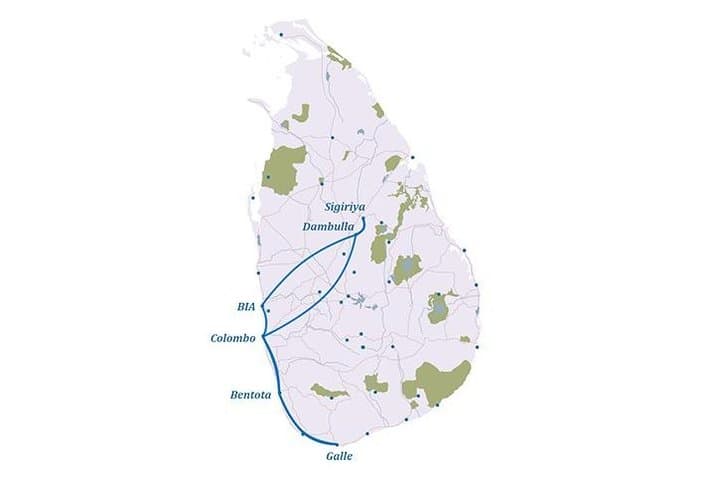
Climb the Lion Rock at Sigiriya, wander painted caverns at Dambulla, glide through the mangroves of the Madu River and explore the Dutch fort at Galle—all in a focused three‑day loop from Colombo. This private tour pairs cultural depth with easy logistics for first‑time visitors.
Climb the Lion Rock at Sigiriya, wander painted caverns at Dambulla, glide through the mangroves of the Madu River and explore the Dutch fort at Galle—all in a focused three‑day loop from Colombo. This private tour pairs cultural depth with easy logistics for first‑time visitors.
You step out of the air‑conditioned car and into a different rhythm—humid air full of spice smoke and sea salt, the road folding away behind you toward a rock that seems to have grown out of the plain. Sigiriya looms like a deliberate disruption: vertical, raw, and patient. The first day is a climb against a 5th‑century ambition—stone stairs and iron walkways that push you up through frescoes, gardens, and ancient cisterns until you stand above the flatlands and everything below looks ordered and small.
Verified experiences and guided adventures in the surrounding area.
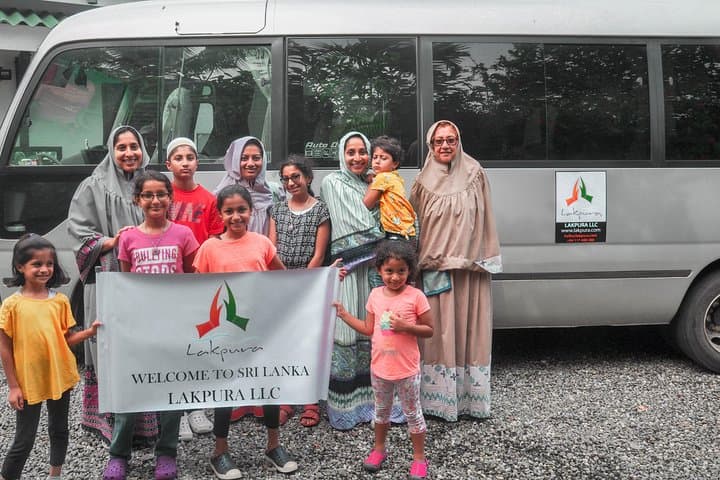
Operated by Lakpura LLC · Sigiriya, Central Province
You step out of the air‑conditioned car and into a different rhythm—humid air full of spice smoke and sea salt, the road folding away behind you toward a rock that seems to have grown out of the plain. Sigiriya looms like a deliberate disruption: vertical, raw, and patient. The first day is a climb against a 5th‑century ambition—stone stairs and iron walkways that push you up through frescoes, gardens, and ancient cisterns until you stand above the flatlands and everything below looks ordered and small.
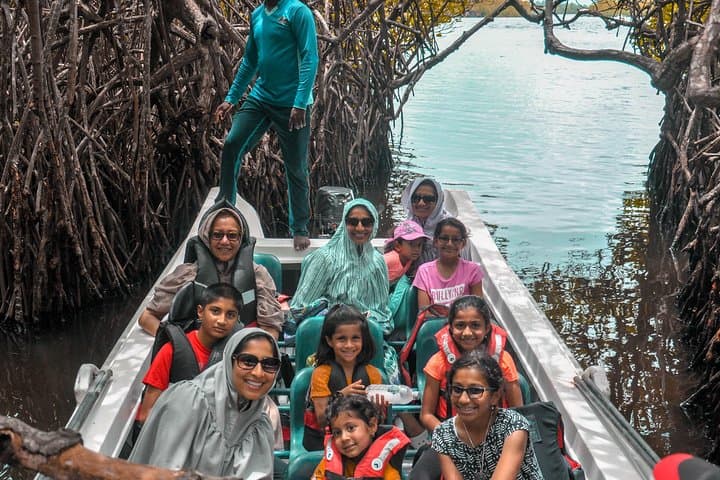
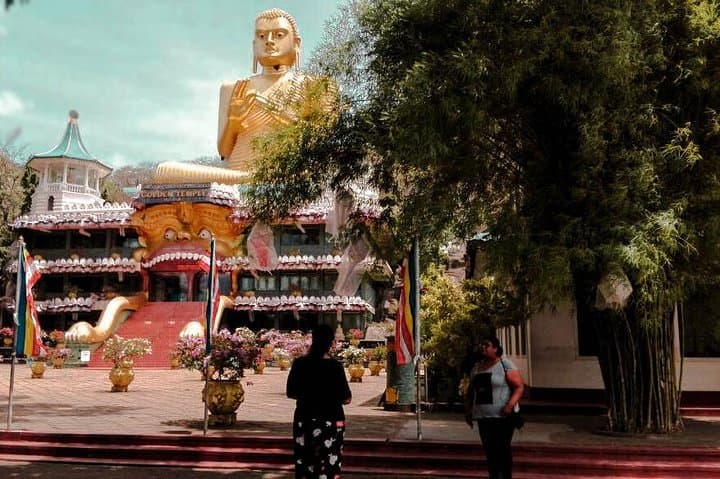
Over the next two days the tour swings between geological and human landmarks: Dambulla’s five rock caves, painted and carved since the 1st century BC, where Buddha figures watch the light change across ochre murals; the mangrove labyrinth of the Madu River, whose narrow channels thread like ink through green, offering cinnamon‑island stops and the oddly restorative fish massage; and Galle Fort, a 17th‑century Dutch enclosure of cobbles, colonial facades, and a lighthouse that keeps measure of centuries of maritime trade.
This itinerary traces the island’s history: ancient Sinhalese kings at Sigiriya, Buddhist monastic life in the cave temples, and the layered colonial footprints of the Portuguese, Dutch and British on the southern coast. Geologically, Sigiriya is a hardened magma plug—resistant core left behind as soft rock eroded—so the ascent is steep but compact, about 200 meters (roughly 650 feet) of vertical relief from the plain to the summit.
Practical edge: the tour is private, includes a chauffeur‑guide and bottled water, but entrance fees are not included. Expect multiple short walks and one sustained climb (plan 1–1.5 hours to ascend Sigiriya at a steady pace). Wear grippy shoes for iron staircases, carry small cash for site tickets and tips, and start early to miss midday heat. The Madu River boat adds a wildlife angle—watch for water monitors and crocodiles from a safe distance—and gives you a slower, shaded contrast to the open rock faces of the Cultural Triangle.
Timing matters: dawn or early morning for Sigiriya gives softer light and cooler air; late afternoon in Galle finds the fort’s ramparts turning golden. Respect temple dress codes at Dambulla (shoulders and knees covered). Hydration, a light rain layer (tropical showers can appear suddenly), and insect repellent will keep discomfort at bay.
This three‑day route is compact but varied—rock, caves, mangroves, and colonial streets—packaging Sri Lanka’s geological drama and layered history into a short, readable loop that still leaves room to linger over cinnamon tea by the river.
moderate.
3 days (approx. 72 hours).
Moderate fitness: able to manage a sustained stair climb and several short walks each day
No—entrance fees to Sigiriya, Dambulla and Galle Fort are not included; bring cash (Sri Lankan rupees) or be prepared to pay on arrival.
Plan on roughly 1 to 1.5 hours to ascend and move through key viewpoints at a steady pace; allow extra time for photographs and cooling breaks.
Yes—boats are operated by local drivers experienced in navigating the channels; wildlife sightings are common but maintain distance from crocodiles and follow crew instructions.
Meals are not specified as included—there are stops where you can eat, but confirm with the operator if you need all meals provided.
Yes—the operator offers pickup from Colombo hotels and the airport; provide flight details during booking for timed transfers.
The tour is flexible but the Sigiriya climb is physically demanding; those with mobility issues may prefer to skip the summit and explore the lower terraces and gardens.
Sigiriya was developed as a fortified royal citadel in the 5th century AD; Galle Fort was expanded under Dutch control in the 17th century and retains colonial street patterns.
Mangrove habitats around the Madu River are sensitive—stick to marked channels, avoid littering, and support local guides who follow sustainable practices.
Lakpura LLC operates guided outdoor trips and adventures with an emphasis on safety, stewardship, and memorable experiences.
You step out of the air‑conditioned car and into a different rhythm—humid air full of spice smoke and sea salt, the road folding away behind you toward a rock that seems to have grown out of the plain. Sigiriya looms like a deliberate disruption: vertical, raw, and patient. The first day is a climb against a 5th‑century ambition—stone stairs and iron walkways that push you up through frescoes, gardens, and ancient cisterns until you stand above the flatlands and everything below looks ordered and small.
You step out of the air‑conditioned car and into a different rhythm—humid air full of spice smoke and sea salt, the road folding away behind you toward a rock that seems to have grown out of the plain. Sigiriya looms like a deliberate disruption: vertical, raw, and patient. The first day is a climb against a 5th‑century ambition—stone stairs and iron walkways that push you up through frescoes, gardens, and ancient cisterns until you stand above the flatlands and everything below looks ordered and small.
Over the next two days the tour swings between geological and human landmarks: Dambulla’s five rock caves, painted and carved since the 1st century BC, where Buddha figures watch the light change across ochre murals; the mangrove labyrinth of the Madu River, whose narrow channels thread like ink through green, offering cinnamon‑island stops and the oddly restorative fish massage; and Galle Fort, a 17th‑century Dutch enclosure of cobbles, colonial facades, and a lighthouse that keeps measure of centuries of maritime trade.
This itinerary traces the island’s history: ancient Sinhalese kings at Sigiriya, Buddhist monastic life in the cave temples, and the layered colonial footprints of the Portuguese, Dutch and British on the southern coast. Geologically, Sigiriya is a hardened magma plug—resistant core left behind as soft rock eroded—so the ascent is steep but compact, about 200 meters (roughly 650 feet) of vertical relief from the plain to the summit.
Practical edge: the tour is private, includes a chauffeur‑guide and bottled water, but entrance fees are not included. Expect multiple short walks and one sustained climb (plan 1–1.5 hours to ascend Sigiriya at a steady pace). Wear grippy shoes for iron staircases, carry small cash for site tickets and tips, and start early to miss midday heat. The Madu River boat adds a wildlife angle—watch for water monitors and crocodiles from a safe distance—and gives you a slower, shaded contrast to the open rock faces of the Cultural Triangle.
Timing matters: dawn or early morning for Sigiriya gives softer light and cooler air; late afternoon in Galle finds the fort’s ramparts turning golden. Respect temple dress codes at Dambulla (shoulders and knees covered). Hydration, a light rain layer (tropical showers can appear suddenly), and insect repellent will keep discomfort at bay.
This three‑day route is compact but varied—rock, caves, mangroves, and colonial streets—packaging Sri Lanka’s geological drama and layered history into a short, readable loop that still leaves room to linger over cinnamon tea by the river.