THE ADVENTURE COLLECTIVE® · Independent discovery and booking for outdoor travel

Explore three days of Silk Road highlights around Dunhuang: the painted grottoes of Mogao, the emerald Crescent Lake, Yumen Pass and the lunar shapes of Yadan Park. Expect easy walks, dune climbs and rich cultural history with private transport and guide.
Explore three days of Silk Road highlights around Dunhuang: the painted grottoes of Mogao, the emerald Crescent Lake, Yumen Pass and the lunar shapes of Yadan Park. Expect easy walks, dune climbs and rich cultural history with private transport and guide.
A wind presses warm sand against the windows as the road drops toward Dunhuang, and the city appears like an island of palms and roofs set in an ochre sea. On this three-day loop, travelers move between sunglared dunes, desert-carved rock forms and the cool, shadowed corridors of ancient caves—each place giving a different voice to the Silk Road.
Verified experiences and guided adventures in the surrounding area.
Operated by Travel China Guide · Dunhuang, Gansu
A wind presses warm sand against the windows as the road drops toward Dunhuang, and the city appears like an island of palms and roofs set in an ochre sea. On this three-day loop, travelers move between sunglared dunes, desert-carved rock forms and the cool, shadowed corridors of ancient caves—each place giving a different voice to the Silk Road.
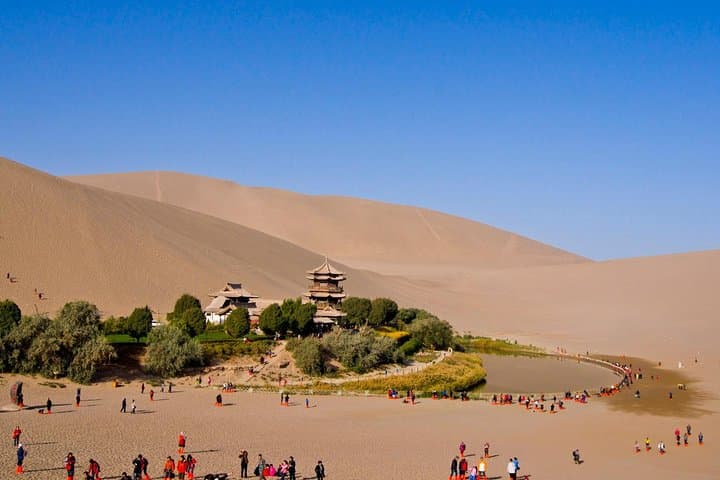
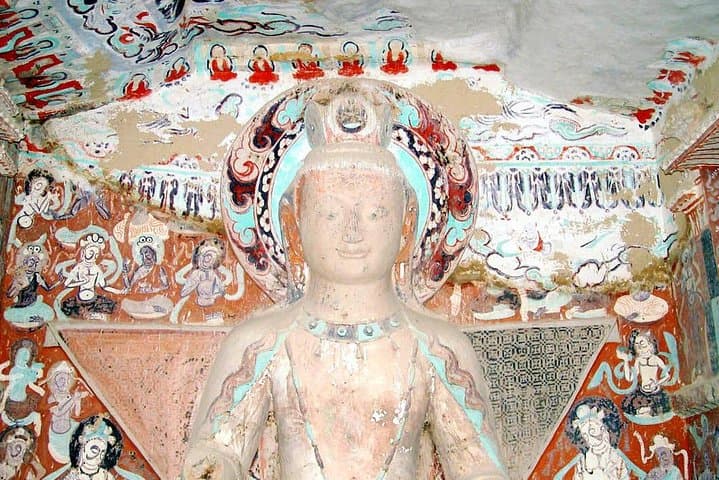
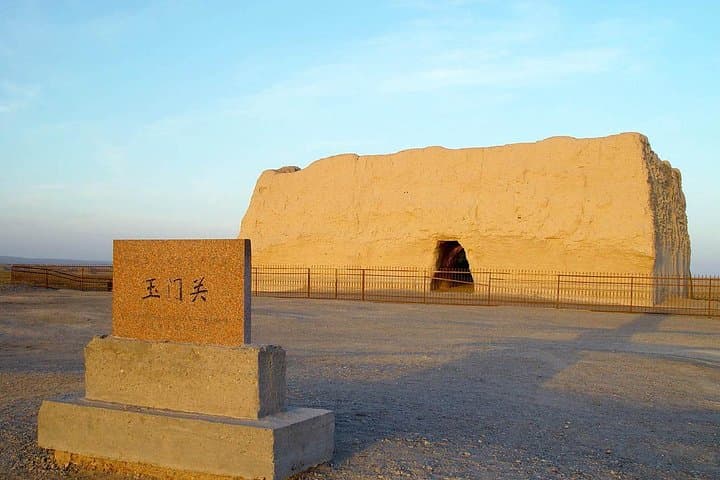
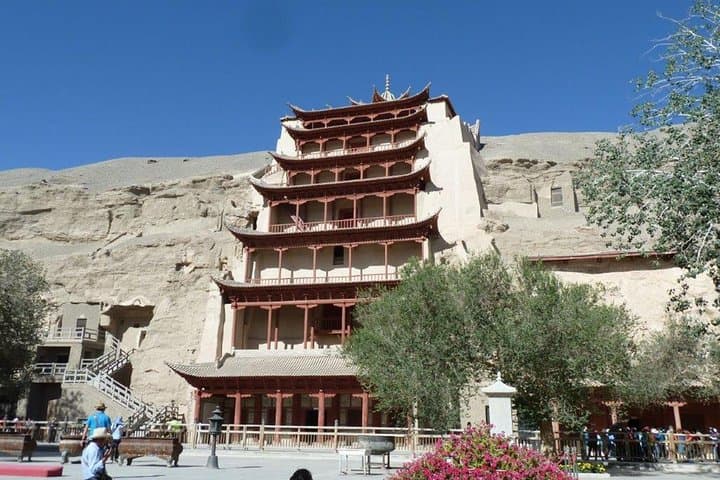
Historically a crossroads between east and west, Dunhuang rose as a caravan hub where jade, silk and ideas exchanged hands. The Mogao Grottoes preserve that exchange in paint and plaster—almost 500 caves with murals and statues spanning a millennium of Buddhist art. Crescent Lake is a surprising saline pool kept clear by underground springs while surrounding dunes warble under wind; Yumen Pass marks a strategic threshold where goods and armies once funneled into imperial China. Yadan National Geology Park reads like wind-sculpted theater, its hoodoos and ridges shaped by aeolian erosion.
Practical guidance: expect short hikes, stair climbs and sandy slopes—dune ascents of a few hundred meters and boardwalks or staircases at Mogao. Temperatures swing dramatically; pack sun protection and layers, and budget time for transfers (sites sit up to tens of kilometers from town). Wear closed-toe shoes with traction for mixed sand, gravel and paved sections. Bring water, a light gaiter for blowing sand and a camera with extra batteries—the light in the desert is decisive.
This itinerary suits travelers who want cultural depth alongside tactile landscape experiences: slow travel across a landscape that keeps one foot in history and one foot in wind-swept present.
easy.
3 days.
Suitable for most travelers; should be able to walk 1–3 miles per day on uneven ground and climb stairs.
Expect guided walks inside several caves with staircases and short outdoor transfers between viewing platforms totaling roughly 1–2 km of walking.
This tour typically includes admission to listed sites; confirm at booking but Mogao, Yumen Pass and Yadan Park admissions are covered in the itinerary provided.
Yes—transport is private and walking is moderate, but be aware of stairs at caves and avoid dune climbs for those with mobility issues; the operator notes it's not recommended for pregnant travelers or those with serious heart conditions.
Spring and autumn offer milder temperatures and clearer skies; summer can be very hot and winter is cold with possible wind chills.
Dunhuang flourished as a Silk Road entrepôt; Mogao served as both a religious center and a repository for manuscripts that illuminate cultural exchange across Eurasia.
Visitor caps and timed entries at Mogao protect fragile murals; in the desert, stick to trails and avoid climbing fragile rock formations to limit erosion and impact.
Travel China Guide operates guided outdoor trips and adventures with an emphasis on safety, stewardship, and memorable experiences.
A wind presses warm sand against the windows as the road drops toward Dunhuang, and the city appears like an island of palms and roofs set in an ochre sea. On this three-day loop, travelers move between sunglared dunes, desert-carved rock forms and the cool, shadowed corridors of ancient caves—each place giving a different voice to the Silk Road.
A wind presses warm sand against the windows as the road drops toward Dunhuang, and the city appears like an island of palms and roofs set in an ochre sea. On this three-day loop, travelers move between sunglared dunes, desert-carved rock forms and the cool, shadowed corridors of ancient caves—each place giving a different voice to the Silk Road.
Historically a crossroads between east and west, Dunhuang rose as a caravan hub where jade, silk and ideas exchanged hands. The Mogao Grottoes preserve that exchange in paint and plaster—almost 500 caves with murals and statues spanning a millennium of Buddhist art. Crescent Lake is a surprising saline pool kept clear by underground springs while surrounding dunes warble under wind; Yumen Pass marks a strategic threshold where goods and armies once funneled into imperial China. Yadan National Geology Park reads like wind-sculpted theater, its hoodoos and ridges shaped by aeolian erosion.
Practical guidance: expect short hikes, stair climbs and sandy slopes—dune ascents of a few hundred meters and boardwalks or staircases at Mogao. Temperatures swing dramatically; pack sun protection and layers, and budget time for transfers (sites sit up to tens of kilometers from town). Wear closed-toe shoes with traction for mixed sand, gravel and paved sections. Bring water, a light gaiter for blowing sand and a camera with extra batteries—the light in the desert is decisive.
This itinerary suits travelers who want cultural depth alongside tactile landscape experiences: slow travel across a landscape that keeps one foot in history and one foot in wind-swept present.