THE ADVENTURE COLLECTIVE® · Independent discovery and booking for outdoor travel

Catch sunrise at Angkor Wat, explore Angkor Thom and Ta Prohm, and cruise the seasonal waterways of Tonle Sap over three immersive days. This small-group tour pairs cultural history with practical logistics for first-time explorers.
Catch sunrise at Angkor Wat, explore Angkor Thom and Ta Prohm, and cruise the seasonal waterways of Tonle Sap over three immersive days. This small-group tour pairs cultural history with practical logistics for first-time explorers.
Before dawn the world is slate-gray and the silhouette of Angkor Wat slices the horizon. The group gathers quietly on the eastern causeway as the first light slides across library pools and the temple’s five towers; the air tastes like warm stone and wet earth after a night of tropic humidity.
Verified experiences and guided adventures in the surrounding area.
Operated by Journey Cambodia · Siem Reap, Siem Reap Province
Before dawn the world is slate-gray and the silhouette of Angkor Wat slices the horizon. The group gathers quietly on the eastern causeway as the first light slides across library pools and the temple’s five towers; the air tastes like warm stone and wet earth after a night of tropic humidity.
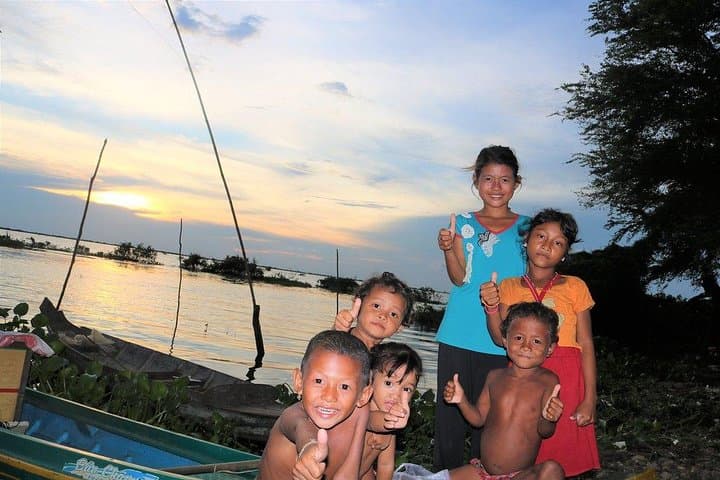
Over three days this small-group itinerary threads the highlights of the Angkor Archaeological Park with a morning on Tonle Sap, Cambodia’s vast seasonal lake. Angkor Wat, raised in the 12th century under Suryavarman II, showcases the apogee of Khmer sandstone carving; nearby Angkor Thom and Bayon display the empire’s later architectural ambition and those famous smiling faces. Tonle Sap, a UNESCO Biosphere Reserve, explains the human rhythm of flood and retreat—floating villages, stilt houses and prolific fish spawning that shape local livelihoods.
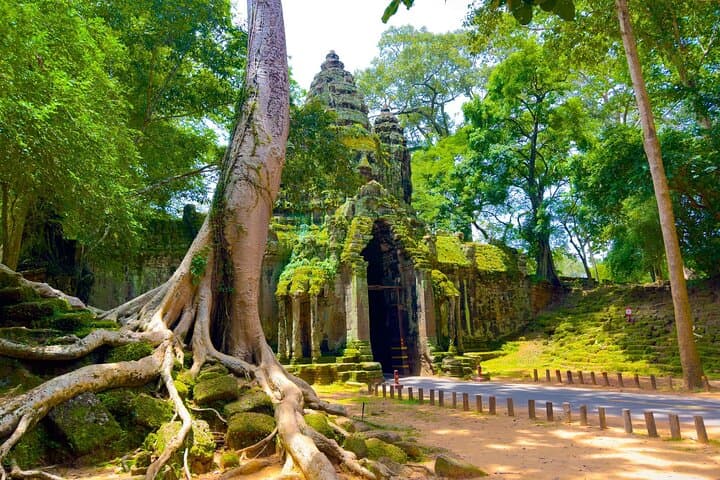
Travelers should expect a mix of paved causeways, compacted dirt tracks and uneven temple steps; shaded clumps of fig and kapok trees push roots through masonry, giving temples an inhabited, breathing quality. Local guides translate bas-reliefs into stories of gods, kings and daily life.
Practical guidance: rise very early for sunrise (hotel pickup commonly 4:00–4:30), carry cash for the mandatory multi-day Angkor pass, and wear shoulders-and-knees covered clothing inside temples. Comfortable, grippy shoes matter—many temple surfaces are worn and slippery. Hydrate steadily in the tropical heat, plan for short rests between temple circuits, and budget time for a Tonle Sap boat cruise or the Phare Circus alternative in the dry season.
moderate.
3 days.
Light to moderate fitness; able to walk 2–4 miles across uneven ground per day with regular breaks
The Angkor pass is purchased on-site at the ticket center (cash or card); this tour requires a 3-day pass payable on the day of your visit.
Sunrise draws many visitors; early pickup and entering from the eastern side helps avoid the largest crowds and secures better viewpoints.
From March to June the itinerary may substitute a Phare Circus performance (seat C) instead of the Tonle Sap boat cruise due to low water levels.
Children must be accompanied by an adult and children under 5 are not permitted on this particular small-group tour.
Angkor’s monuments span the height of the Khmer Empire (9th–13th centuries); Angkor Wat itself was consecrated in the early 12th century and remains a central religious landmark.
Respect temple fabric by not climbing fragile carvings, avoid single-use plastics, and choose local operators who support village economies and regulated boat practices.
Journey Cambodia operates guided outdoor trips and adventures with an emphasis on safety, stewardship, and memorable experiences.
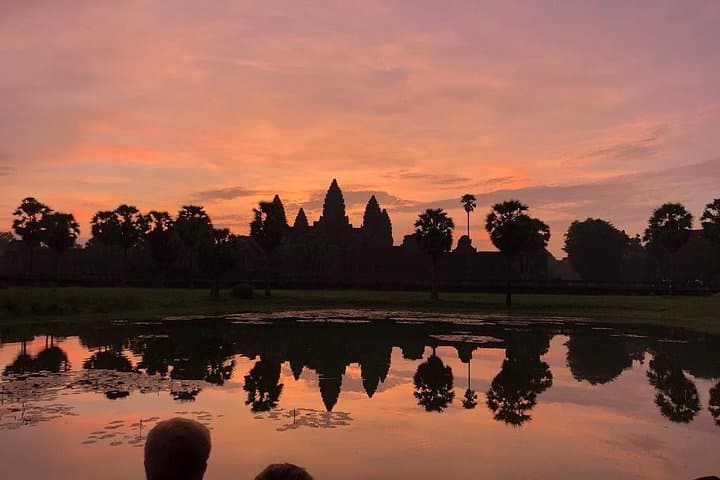
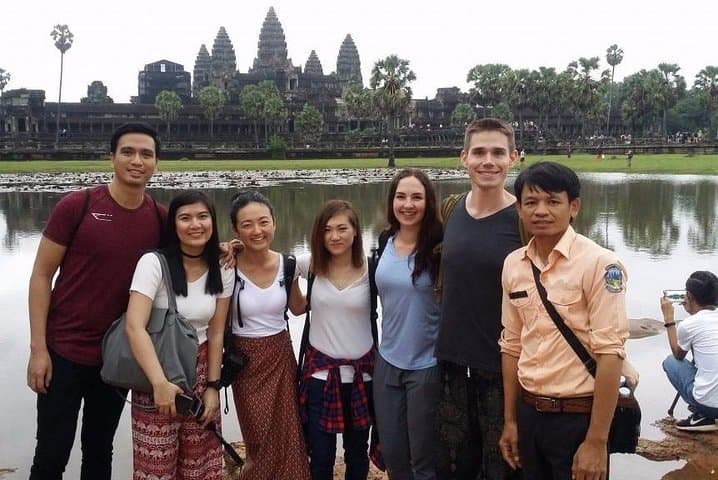
Before dawn the world is slate-gray and the silhouette of Angkor Wat slices the horizon. The group gathers quietly on the eastern causeway as the first light slides across library pools and the temple’s five towers; the air tastes like warm stone and wet earth after a night of tropic humidity.
Before dawn the world is slate-gray and the silhouette of Angkor Wat slices the horizon. The group gathers quietly on the eastern causeway as the first light slides across library pools and the temple’s five towers; the air tastes like warm stone and wet earth after a night of tropic humidity.
Over three days this small-group itinerary threads the highlights of the Angkor Archaeological Park with a morning on Tonle Sap, Cambodia’s vast seasonal lake. Angkor Wat, raised in the 12th century under Suryavarman II, showcases the apogee of Khmer sandstone carving; nearby Angkor Thom and Bayon display the empire’s later architectural ambition and those famous smiling faces. Tonle Sap, a UNESCO Biosphere Reserve, explains the human rhythm of flood and retreat—floating villages, stilt houses and prolific fish spawning that shape local livelihoods.
Travelers should expect a mix of paved causeways, compacted dirt tracks and uneven temple steps; shaded clumps of fig and kapok trees push roots through masonry, giving temples an inhabited, breathing quality. Local guides translate bas-reliefs into stories of gods, kings and daily life.
Practical guidance: rise very early for sunrise (hotel pickup commonly 4:00–4:30), carry cash for the mandatory multi-day Angkor pass, and wear shoulders-and-knees covered clothing inside temples. Comfortable, grippy shoes matter—many temple surfaces are worn and slippery. Hydrate steadily in the tropical heat, plan for short rests between temple circuits, and budget time for a Tonle Sap boat cruise or the Phare Circus alternative in the dry season.