THE ADVENTURE COLLECTIVE® · Independent discovery and booking for outdoor travel

Three days that pair Chengdu’s playful pandas with the monumental Leshan Giant Buddha and cloud-wreathed Mount Emei. Expect short drives, temple climbs, cable cars, and vivid cultural encounters across Sichuan’s river valleys.
Three days that pair Chengdu’s playful pandas with the monumental Leshan Giant Buddha and cloud-wreathed Mount Emei. Expect short drives, temple climbs, cable cars, and vivid cultural encounters across Sichuan’s river valleys.
The day opens with the slow, deliberate shuffling of giant pandas as sunlight filters into the Chengdu Research Base — an intimate, almost theatrical scene of bears eating bamboo, climbing, and tumbling in a carefully managed patch of sub-tropical green. From there the landscape shifts: a two‑hour drive through river valleys deposits you at the foot of the Leshan Giant Buddha, where carved stone stares over the confluence of three rivers, and the mountain air begins to thicken with incense and monastic chants.
Verified experiences and guided adventures in the surrounding area.
Operated by Real North Adventure · Chengdu, Sichuan
The day opens with the slow, deliberate shuffling of giant pandas as sunlight filters into the Chengdu Research Base — an intimate, almost theatrical scene of bears eating bamboo, climbing, and tumbling in a carefully managed patch of sub-tropical green. From there the landscape shifts: a two‑hour drive through river valleys deposits you at the foot of the Leshan Giant Buddha, where carved stone stares over the confluence of three rivers, and the mountain air begins to thicken with incense and monastic chants.
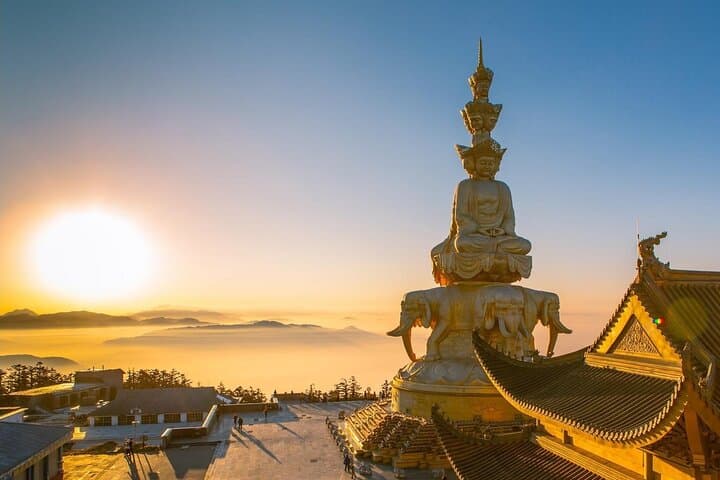
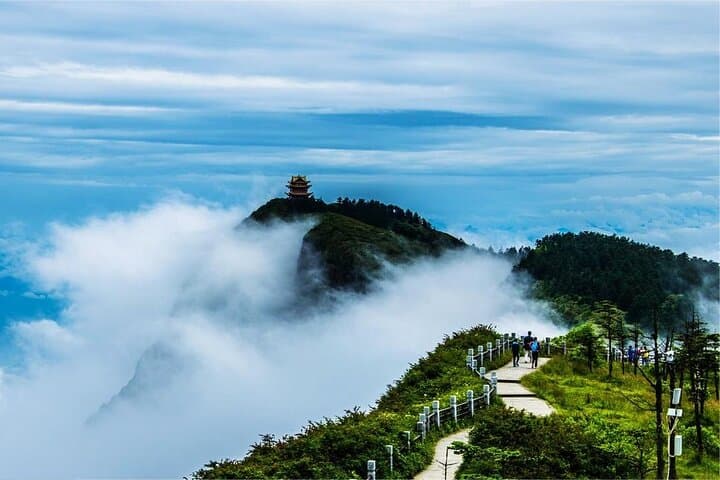
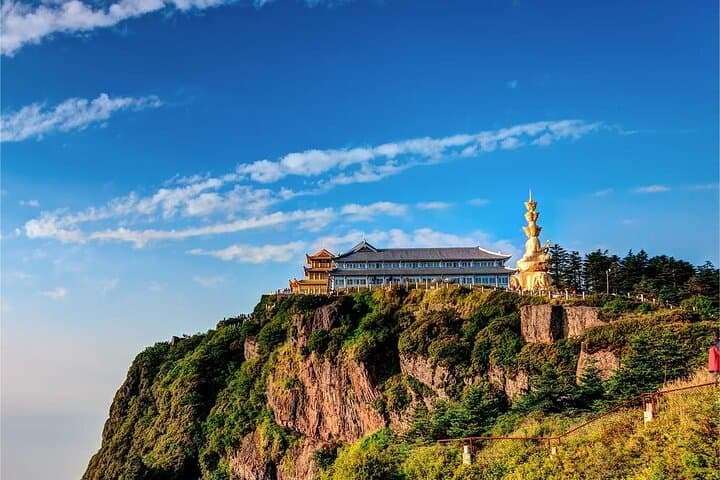
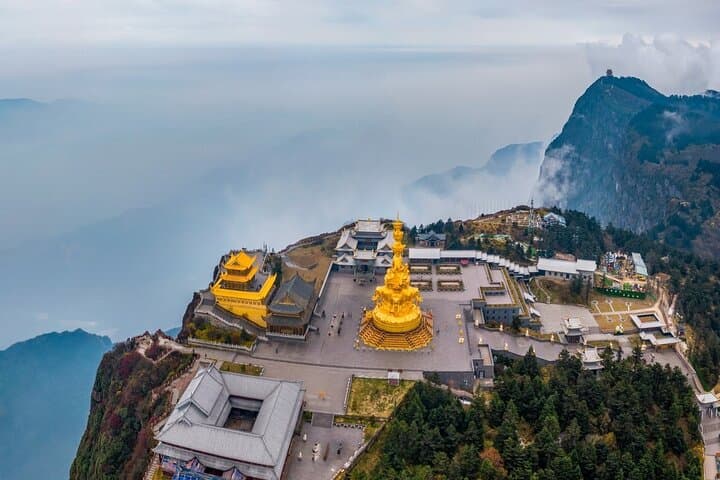
This three‑day loop stitches natural history and human culture. Chengdu’s teahouses embody a relaxed civic rhythm while Leshan’s 9th‑century statue reflects Tang‑era engineering and devotion. Mount Emei — one of China’s Four Sacred Buddhist Mountains — rises from subtropical forest into cloud-washed ridgelines; its granite, moss, and temple complexes tell a thousand‑year story of pilgrimage. Geologically the region is defined by river-carved valleys and weathered sandstone and granite that the Buddha was chiselled from; ecologically the lower slopes support evergreen broadleaf forest and rich birdlife.
Practically: expect early starts, multiple short drives, and a mix of easy walks, cable car rides, and stair climbs at temples. Reserve mornings for the panda center (animals are most active), bring layered clothing for variable mountain weather, and carry cash or mobile pay for small vendors. Respect temple rules — modest dress and quiet inside halls — and allow extra time for traffic between sites. For travelers seeking a compact, culturally rich outdoor itinerary, this route balances wildlife viewing, monumental stonework, and high‑altitude forest scenery.
moderate.
3 days (full days).
Suitable for travelers in average physical condition; involves stairs, short hikes, and standing during visits.
Most standard tours require separate admission for sites like the Panda Base and cable cars; confirm inclusions with your operator before booking.
Pandas are resident and usually visible in the Chengdu research base, especially in the morning; wild monkeys on Mount Emei are common but sightings are never guaranteed.
The itinerary is rated easy to moderate, but temple stairs, cable car transfers, and some uphill walking may limit access for those with mobility concerns.
English-speaking guides are often provided on private tours; tipping is appreciated but not mandatory—small cash tips or gifts are common in tourist services.
The Leshan Giant Buddha dates to the Tang dynasty (circa 8th century) built to calm river currents; Mount Emei has been a center of Buddhist practice for over a millennium.
The panda base focuses on captive breeding and research to support wild populations; visitors should follow site rules to minimize disturbance and stick to designated paths to protect fragile forest undergrowth.
Real North Adventure operates guided outdoor trips and adventures with an emphasis on safety, stewardship, and memorable experiences.
The day opens with the slow, deliberate shuffling of giant pandas as sunlight filters into the Chengdu Research Base — an intimate, almost theatrical scene of bears eating bamboo, climbing, and tumbling in a carefully managed patch of sub-tropical green. From there the landscape shifts: a two‑hour drive through river valleys deposits you at the foot of the Leshan Giant Buddha, where carved stone stares over the confluence of three rivers, and the mountain air begins to thicken with incense and monastic chants.
The day opens with the slow, deliberate shuffling of giant pandas as sunlight filters into the Chengdu Research Base — an intimate, almost theatrical scene of bears eating bamboo, climbing, and tumbling in a carefully managed patch of sub-tropical green. From there the landscape shifts: a two‑hour drive through river valleys deposits you at the foot of the Leshan Giant Buddha, where carved stone stares over the confluence of three rivers, and the mountain air begins to thicken with incense and monastic chants.
This three‑day loop stitches natural history and human culture. Chengdu’s teahouses embody a relaxed civic rhythm while Leshan’s 9th‑century statue reflects Tang‑era engineering and devotion. Mount Emei — one of China’s Four Sacred Buddhist Mountains — rises from subtropical forest into cloud-washed ridgelines; its granite, moss, and temple complexes tell a thousand‑year story of pilgrimage. Geologically the region is defined by river-carved valleys and weathered sandstone and granite that the Buddha was chiselled from; ecologically the lower slopes support evergreen broadleaf forest and rich birdlife.
Practically: expect early starts, multiple short drives, and a mix of easy walks, cable car rides, and stair climbs at temples. Reserve mornings for the panda center (animals are most active), bring layered clothing for variable mountain weather, and carry cash or mobile pay for small vendors. Respect temple rules — modest dress and quiet inside halls — and allow extra time for traffic between sites. For travelers seeking a compact, culturally rich outdoor itinerary, this route balances wildlife viewing, monumental stonework, and high‑altitude forest scenery.