THE ADVENTURE COLLECTIVE® · Independent discovery and booking for outdoor travel

Three packed days of game drives take you from the elephant-rich Tarangire River to the floor of the Ngorongoro Crater and the flamingo-strewn flats of Lake Manyara. Early starts, camp stays and expert rangers maximize wildlife sightings while meals and transport are included.
Three packed days of game drives take you from the elephant-rich Tarangire River to the floor of the Ngorongoro Crater and the flamingo-strewn flats of Lake Manyara. Early starts, camp stays and expert rangers maximize wildlife sightings while meals and transport are included.
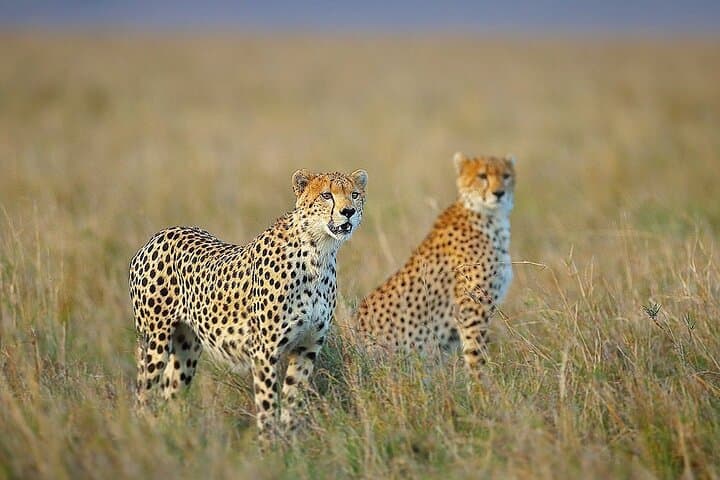
You step into the dawn as the 4x4 eases away from Arusha, dust settling behind the convoy and acacia silhouettes sharpening against a pale sky. Within hours Tarangire’s river will appear—a slow, shining artery that draws elephant families like a magnet—and the day becomes a sequence of close, patient encounters: a bull elephant at a mud wallow, a tower of giraffe picking at thorn crowns, and flocks of birds coloring the air above flooded plains.
Verified experiences and guided adventures in the surrounding area.
Operated by Guruguru Safaris · Arusha, Arusha Region
You step into the dawn as the 4x4 eases away from Arusha, dust settling behind the convoy and acacia silhouettes sharpening against a pale sky. Within hours Tarangire’s river will appear—a slow, shining artery that draws elephant families like a magnet—and the day becomes a sequence of close, patient encounters: a bull elephant at a mud wallow, a tower of giraffe picking at thorn crowns, and flocks of birds coloring the air above flooded plains.
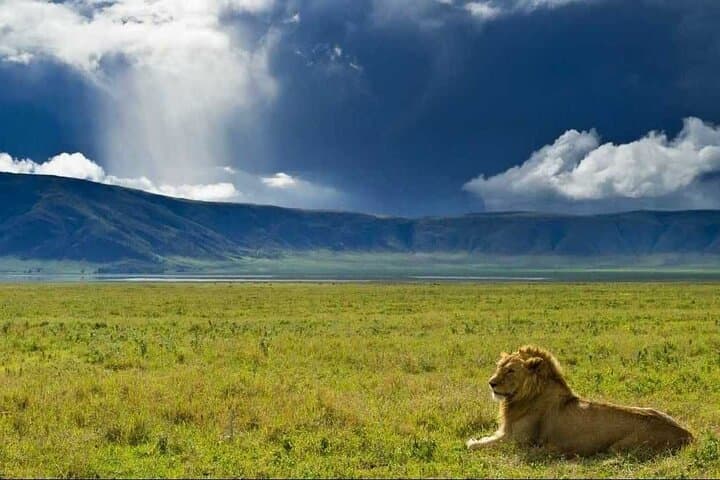
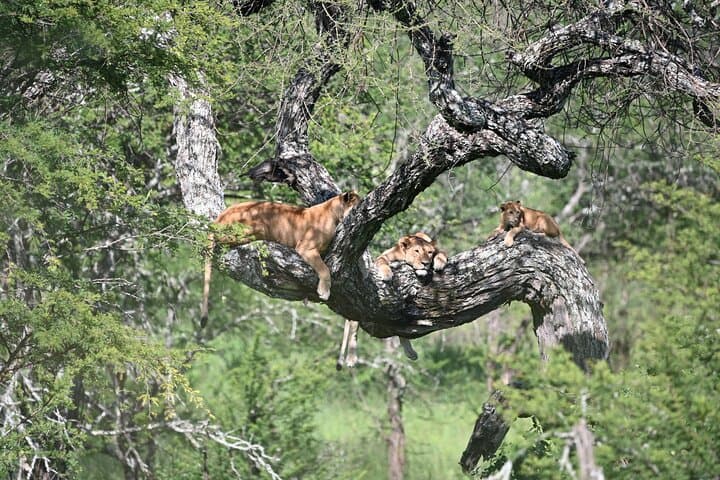
This circuit threads three very different environments. Tarangire is riverine woodland and migratory elephant stronghold; Ngorongoro is a collapsed volcanic caldera formed 2–3 million years ago with one of Africa’s densest mammal populations; Lake Manyara swings from soda-lake flats to fig-forest escarpments and is famous for flamingo flocks and tree-climbing lions. Local Maasai culture remains visible on the roads between parks, grazing cattle against a backdrop of Rift Valley escarpments formed by long tectonic pull.
Expect early starts, multiple game drives each day and roughly 2–4 hours of driving between sites; roads vary from smooth tarmac to dusty, corrugated park tracks. Accommodation is camp-based with meals included, so pack layers for cool mornings on the Ngorongoro rim and sun protection for midday game drives. Bring binoculars, a good zoom lens and closed shoes for short walks to viewpoints. Keep water, respect park boundaries and follow your ranger’s guidance—wildlife calls the shots. With basic planning and sensible gear, this three-day sharing safari delivers concentrated wildlife viewing and a clear snapshot of northern Tanzania’s geology, ecology and living cultural landscape.
easy.
3 days.
Suitable for most fitness levels; mostly vehicle-based with short, gentle walks to viewpoints
This itinerary includes accommodation, meals listed on each day, private transportation and parking fees; verify whether specific park entry fees or conservation levies are covered before booking.
Dry season months (June–October) concentrate wildlife around water sources and offer easier road conditions; wet months bring bird migrations and lush scenery but can mean muddier tracks.
Minimal—game viewing is primarily vehicle-based with occasional short walks to viewpoints; the trip is suitable for travelers of most fitness levels.
The tour notes stroller and wheelchair accessibility and indicates it is physically easy, but discuss specific mobility needs with the operator to confirm vehicle access and campsite arrangements.
Ngorongoro Crater formed when a large volcano collapsed 2–3 million years ago; the area has been inhabited by Maasai pastoralists for generations.
Parks operate under strict protection and community conservation programs; visitors help fund anti-poaching and local development through park fees and responsible tourism.
Guruguru Safaris operates guided outdoor trips and adventures with an emphasis on safety, stewardship, and memorable experiences.
You step into the dawn as the 4x4 eases away from Arusha, dust settling behind the convoy and acacia silhouettes sharpening against a pale sky. Within hours Tarangire’s river will appear—a slow, shining artery that draws elephant families like a magnet—and the day becomes a sequence of close, patient encounters: a bull elephant at a mud wallow, a tower of giraffe picking at thorn crowns, and flocks of birds coloring the air above flooded plains.
You step into the dawn as the 4x4 eases away from Arusha, dust settling behind the convoy and acacia silhouettes sharpening against a pale sky. Within hours Tarangire’s river will appear—a slow, shining artery that draws elephant families like a magnet—and the day becomes a sequence of close, patient encounters: a bull elephant at a mud wallow, a tower of giraffe picking at thorn crowns, and flocks of birds coloring the air above flooded plains.
This circuit threads three very different environments. Tarangire is riverine woodland and migratory elephant stronghold; Ngorongoro is a collapsed volcanic caldera formed 2–3 million years ago with one of Africa’s densest mammal populations; Lake Manyara swings from soda-lake flats to fig-forest escarpments and is famous for flamingo flocks and tree-climbing lions. Local Maasai culture remains visible on the roads between parks, grazing cattle against a backdrop of Rift Valley escarpments formed by long tectonic pull.
Expect early starts, multiple game drives each day and roughly 2–4 hours of driving between sites; roads vary from smooth tarmac to dusty, corrugated park tracks. Accommodation is camp-based with meals included, so pack layers for cool mornings on the Ngorongoro rim and sun protection for midday game drives. Bring binoculars, a good zoom lens and closed shoes for short walks to viewpoints. Keep water, respect park boundaries and follow your ranger’s guidance—wildlife calls the shots. With basic planning and sensible gear, this three-day sharing safari delivers concentrated wildlife viewing and a clear snapshot of northern Tanzania’s geology, ecology and living cultural landscape.