THE ADVENTURE COLLECTIVE® · Independent discovery and booking for outdoor travel

Cross the High Atlas, walk through Aït Benhaddou’s ksar, and spend a night under the stars at Erg Chebbi. This compact 3-day shared tour pairs cultural stops with a classic Sahara camel trek and desert camp.
Cross the High Atlas, walk through Aït Benhaddou’s ksar, and spend a night under the stars at Erg Chebbi. This compact 3-day shared tour pairs cultural stops with a classic Sahara camel trek and desert camp.
You leave Marrakech before dawn, the medina shrinking behind olive groves and clay villages, and climb into the High Atlas where the road tightens at the Tizi n’Tichka pass. Wind and sun shape the landscape here; the mountains push visitors onward while gullies and kasbah ruins watch from the slopes.
Verified experiences and guided adventures in the surrounding area.
Operated by Jemaa el-Fnaa · Merzouga, Drâa-Tafilalet
You leave Marrakech before dawn, the medina shrinking behind olive groves and clay villages, and climb into the High Atlas where the road tightens at the Tizi n’Tichka pass. Wind and sun shape the landscape here; the mountains push visitors onward while gullies and kasbah ruins watch from the slopes.
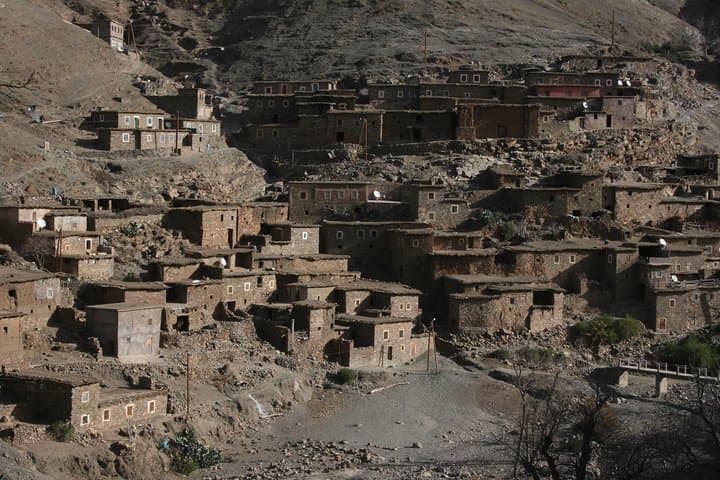
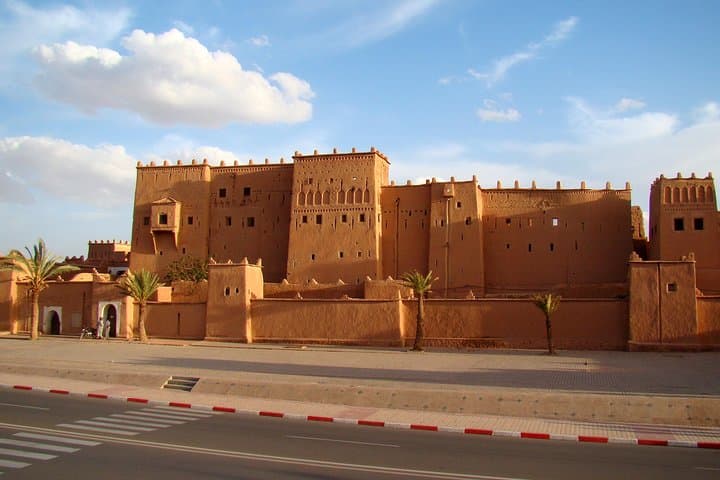
The route threads through a living history: Aït Benhaddou’s earthen towers mark the old caravan corridors between the Sahara and Atlantic trade routes, while the Dadès and Todra gorges expose orange limestone and layered terraces carved by rivers. Berber communities still tend palms and flocks, and markets in Rissani preserve centuries of desert commerce.
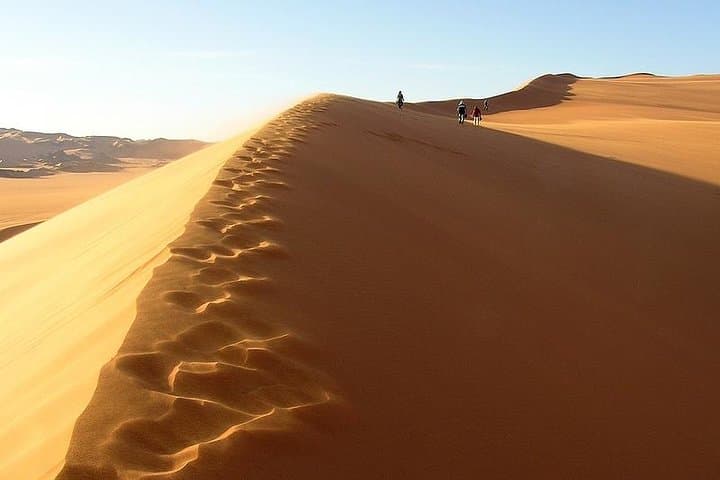
By day two the land opens into Erg Chebbi. The dunes move and breathe—sand will sometimes slip away beneath your camel’s steps—so progression feels elemental. The shared tour balances long drives with short walks and an evening camp beneath an uninterrupted sky where local musicians, tea, and campfires anchor the night.
Practical guidance: carry at least 2–3 liters of water, a wide-brim hat, and layered clothing—desert days are hot and nights can drop sharply. Wear sturdy shoes for rocky gorges and a scarf for dust during dune crossings. Plan for early starts to avoid mid-day heat and bring euros or dirham for lunch stops and souvenirs in Ouarzazate or Tinghir.
This itinerary suits travelers who want a compact Saharan experience with cultural stops and an overnight camp; expect long stretches in a minivan, brief guided walks, a camel trek of about 1–2 hours, and basic desert accommodations.
easy.
3 days (approx. 72 hours).
Suitable for most travelers; requires ability to climb on/off camels and manage short walks over uneven ground.
The camel ride from Merzouga to the camp typically lasts 1–2 hours and is a gentle, slow-paced caravan suited to beginners.
Camps are basic to mid-range with sleeping mats or beds in Berber-style tents; facilities vary by operator—check if private tents or shared tents are preferred.
This tour includes two breakfasts and two dinners as per the itinerary; lunches and some meals en route are usually at your own expense.
The Tizi n’Tichka pass reaches about 2,260 meters (7,400 ft); most travelers experience only mild effects, but allow time to acclimate if coming from sea level.
Aït Benhaddou served as an important trans-Saharan caravan stop and later as a fortified ksar protecting trade routes; many kasbah sites date back centuries and reflect Berber adobe architecture.
The Sahara’s dune systems are fragile—stick to established routes, avoid disturbing vegetation, and support local guides who follow low-impact camping practices.
Jemaa el-Fnaa operates guided outdoor trips and adventures with an emphasis on safety, stewardship, and memorable experiences.
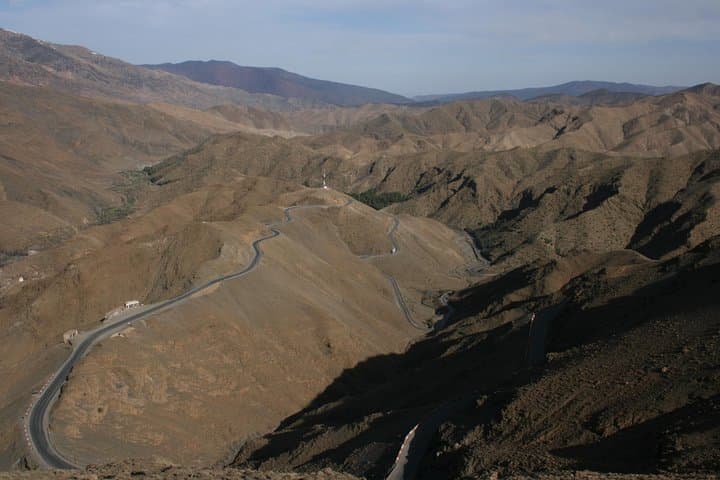
You leave Marrakech before dawn, the medina shrinking behind olive groves and clay villages, and climb into the High Atlas where the road tightens at the Tizi n’Tichka pass. Wind and sun shape the landscape here; the mountains push visitors onward while gullies and kasbah ruins watch from the slopes.
You leave Marrakech before dawn, the medina shrinking behind olive groves and clay villages, and climb into the High Atlas where the road tightens at the Tizi n’Tichka pass. Wind and sun shape the landscape here; the mountains push visitors onward while gullies and kasbah ruins watch from the slopes.
The route threads through a living history: Aït Benhaddou’s earthen towers mark the old caravan corridors between the Sahara and Atlantic trade routes, while the Dadès and Todra gorges expose orange limestone and layered terraces carved by rivers. Berber communities still tend palms and flocks, and markets in Rissani preserve centuries of desert commerce.
By day two the land opens into Erg Chebbi. The dunes move and breathe—sand will sometimes slip away beneath your camel’s steps—so progression feels elemental. The shared tour balances long drives with short walks and an evening camp beneath an uninterrupted sky where local musicians, tea, and campfires anchor the night.
Practical guidance: carry at least 2–3 liters of water, a wide-brim hat, and layered clothing—desert days are hot and nights can drop sharply. Wear sturdy shoes for rocky gorges and a scarf for dust during dune crossings. Plan for early starts to avoid mid-day heat and bring euros or dirham for lunch stops and souvenirs in Ouarzazate or Tinghir.
This itinerary suits travelers who want a compact Saharan experience with cultural stops and an overnight camp; expect long stretches in a minivan, brief guided walks, a camel trek of about 1–2 hours, and basic desert accommodations.