THE ADVENTURE COLLECTIVE® · Independent discovery and booking for outdoor travel

A compact, vehicle-based safari that places you in the heart of Serengeti’s plains for two nights of game drives. Expect early starts, long drives, and front-row views of migration-era herds and resident predators.
A compact, vehicle-based safari that places you in the heart of Serengeti’s plains for two nights of game drives. Expect early starts, long drives, and front-row views of migration-era herds and resident predators.
The sun lifts off the Serengeti horizon in bands of gold, and the air hums with the shuffle of hooves — a moment that makes travel feel like witnessing rhythm. Over three days you move through grasslands that feed and shape a continent’s great migration, following lions across dust-slick tracks and pausing where vultures mark the long story of life and death.
Verified experiences and guided adventures in the surrounding area.
Operated by Kanje grand tours · Arusha, Mara Region
The sun lifts off the Serengeti horizon in bands of gold, and the air hums with the shuffle of hooves — a moment that makes travel feel like witnessing rhythm. Over three days you move through grasslands that feed and shape a continent’s great migration, following lions across dust-slick tracks and pausing where vultures mark the long story of life and death.
Serengeti National Park, UNESCO-listed since 1981, covers roughly 15,000 km² of plains, kopjes, and floodplains. Geologically, it’s ancient sedimentary basins and volcanic outwash that produce the short, nutritious grasses that drive seasonal ungulate movements. Culturally, local Maasai communities have grazed the fringes for generations; their knowledge often guides ethical viewing and respectful access.
Practical guidance: this is a vehicle-based safari with long drives between sightings — expect multiple early starts and full-day game drives. Lodging is midrange campsite/lodge style; bring a headlamp and warm layer for dawn and dusk. Guides are professional; carry binoculars, layered clothing, and sun protection to make the most of viewing windows.
Timing matters: the Great Migration shifts with rains, so sightings vary by month. Respect park rules: remain in vehicles unless instructed, keep noise low, and don’t feed wildlife. Hydrate often on drives, secure documents for transfers, and budget small notes for local staff tips. The Serengeti doesn’t bend to schedules — it asks you to slow, watch, and let the plains reveal themselves.
easy.
3 days.
Suitable for most fitness levels; able to sit in a vehicle for several hours and handle short walks around camps.
Consult your healthcare provider for recommended vaccinations (e.g., yellow fever if required) and antimalarial advice based on current health guidance.
This itinerary includes fees and taxes; confirm specifics with the operator at booking for any additional local charges.
Expect several hours in a 4x4 each day with breaks; the trip is not physically strenuous but requires tolerance for bumpy roads and early starts.
Yes — the tour typically returns to Arusha with options to be dropped at accommodation or the airport; confirm your preference during booking.
The Serengeti became a protected area in the mid-20th century and was designated a UNESCO World Heritage Site in 1981 for its outstanding migratory ecosystems.
Park management balances tourism with habitat protection; visitors are urged to follow guidelines to reduce disturbance and support anti-poaching efforts.
Kanje grand tours operates guided outdoor trips and adventures with an emphasis on safety, stewardship, and memorable experiences.
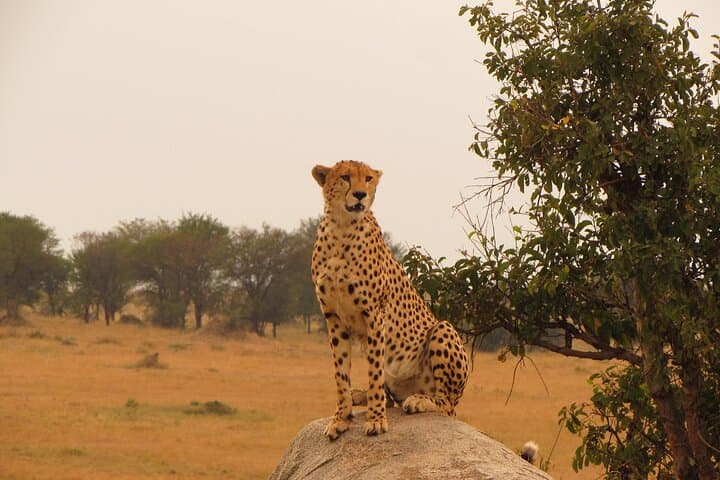
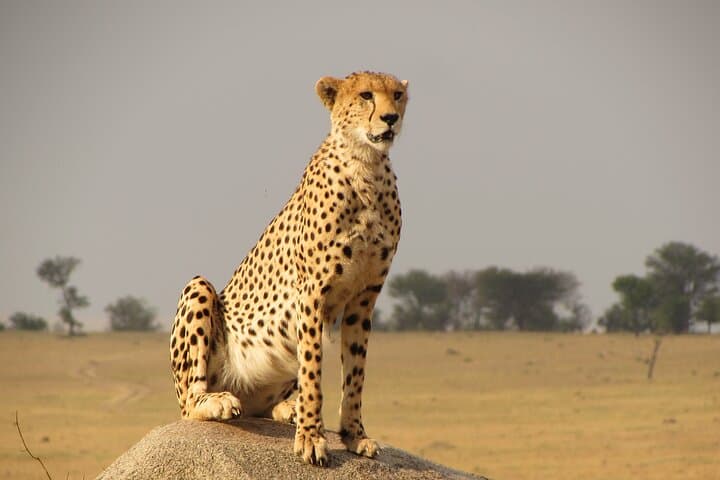
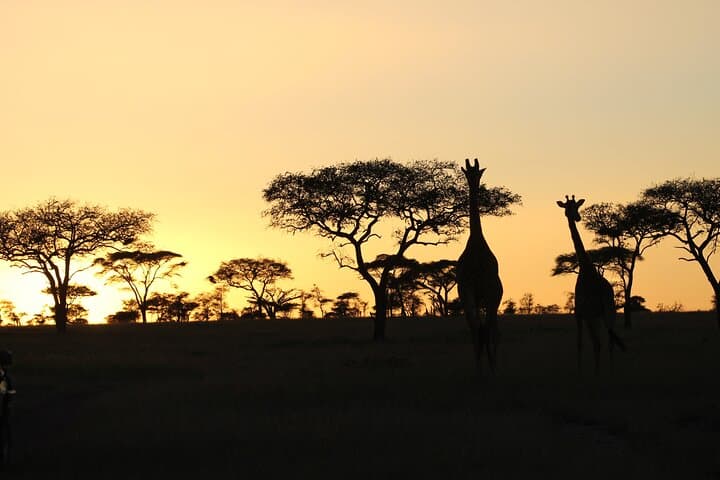
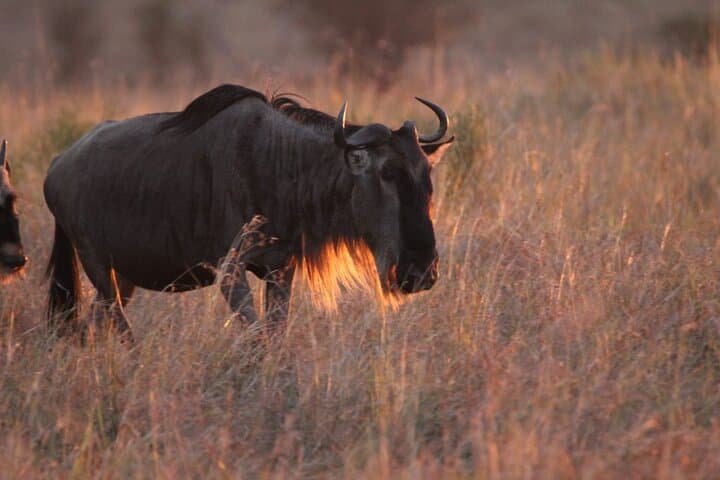
The sun lifts off the Serengeti horizon in bands of gold, and the air hums with the shuffle of hooves — a moment that makes travel feel like witnessing rhythm. Over three days you move through grasslands that feed and shape a continent’s great migration, following lions across dust-slick tracks and pausing where vultures mark the long story of life and death.
The sun lifts off the Serengeti horizon in bands of gold, and the air hums with the shuffle of hooves — a moment that makes travel feel like witnessing rhythm. Over three days you move through grasslands that feed and shape a continent’s great migration, following lions across dust-slick tracks and pausing where vultures mark the long story of life and death.
Serengeti National Park, UNESCO-listed since 1981, covers roughly 15,000 km² of plains, kopjes, and floodplains. Geologically, it’s ancient sedimentary basins and volcanic outwash that produce the short, nutritious grasses that drive seasonal ungulate movements. Culturally, local Maasai communities have grazed the fringes for generations; their knowledge often guides ethical viewing and respectful access.
Practical guidance: this is a vehicle-based safari with long drives between sightings — expect multiple early starts and full-day game drives. Lodging is midrange campsite/lodge style; bring a headlamp and warm layer for dawn and dusk. Guides are professional; carry binoculars, layered clothing, and sun protection to make the most of viewing windows.
Timing matters: the Great Migration shifts with rains, so sightings vary by month. Respect park rules: remain in vehicles unless instructed, keep noise low, and don’t feed wildlife. Hydrate often on drives, secure documents for transfers, and budget small notes for local staff tips. The Serengeti doesn’t bend to schedules — it asks you to slow, watch, and let the plains reveal themselves.