THE ADVENTURE COLLECTIVE® · Independent discovery and booking for outdoor travel

Fly from Zanzibar to the Serengeti on a focused three-day safari that squeezes sunrise drives, evening game viewing, and optional ballooning into a short itinerary. Ideal when time is tight but wildlife is the priority.
Fly from Zanzibar to the Serengeti on a focused three-day safari that squeezes sunrise drives, evening game viewing, and optional ballooning into a short itinerary. Ideal when time is tight but wildlife is the priority.
Dust from the airstrip lifts as the small charter settles onto the Serengeti plains; the engine’s hush yields to a wide, wind-shaped landscape where acacia crowns throw long shadows and kopjes puncture the horizon. Guests step from the plane into morning light and a rhythm that the savannah keeps: prey on the move, predators calculating, and grasses that change with the seasons.
Verified experiences and guided adventures in the surrounding area.
Operated by Budget Safaris Tanzania · Seronera, Mara Region
Dust from the airstrip lifts as the small charter settles onto the Serengeti plains; the engine’s hush yields to a wide, wind-shaped landscape where acacia crowns throw long shadows and kopjes puncture the horizon. Guests step from the plane into morning light and a rhythm that the savannah keeps: prey on the move, predators calculating, and grasses that change with the seasons.
The Serengeti’s geology is a sweep of ancient volcanic soils and rolling basalt outcrops that have shaped grazing routes for millennia. This terrain helped drive the great migration — the world’s largest terrestrial mammal movement — and fostered Maasai grazing traditions along the park’s margins. Cultural threads run alongside conservation efforts here: community-based initiatives around park revenue and anti-poaching patrols are visible parts of the modern landscape.
On this three-day fly-in itinerary travelers maximize wildlife time with sunrise and evening drives out of a central lodge base. Expect long game drives across mixed short-grass plains and riverine corridors; terrain is vehicle-friendly but can be uneven. Guides tailor routes seasonally to chase predator activity or herds; a hot-air balloon is an optional sunrise add-on for a different vantage.
Practical guidance: travel light for small aircraft (check baggage limits), bring layered clothing for cold mornings and hot afternoons, carry binoculars and a telephoto lens, and plan arrivals around early flights to get full days in the park. Hydrate and follow guide instructions for vehicle approach distances — the animals set the pace here, and a quiet, patient presence yields the best sightings.
easy.
3 days (about 72 hours).
Minimal fitness required—able to sit in a safari vehicle and do short walks.
This itinerary uses a short charter flight from Zanzibar to the Serengeti airstrip; transfers between hotels and airstrips are included.
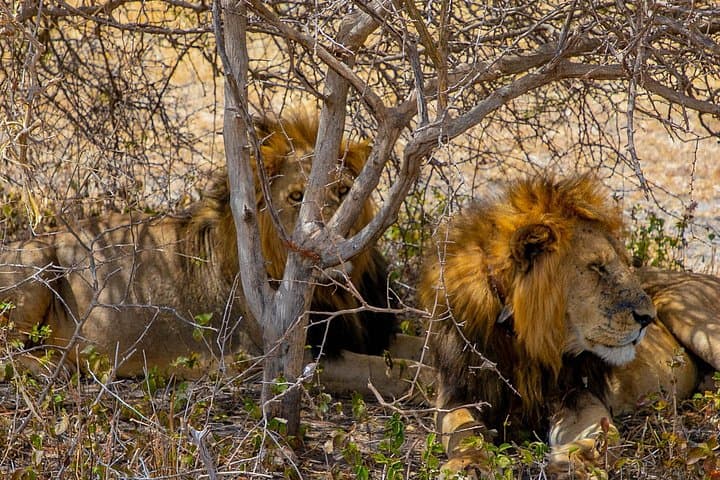
Central Serengeti is good for big cats, herds of wildebeest and zebra, elephants, giraffes, and abundant birdlife—sightings depend on season and guide routing.
Yes — domestic air transfers and all park fees are listed as included in the tour package details.
Travelers should consult a medical provider about routine vaccines and malaria prevention for Tanzania; bring insect repellent and use nets or repellents at dusk.
The Serengeti’s name comes from the Maasai word siringet, meaning 'endless plains'; the park’s protection began in the mid-20th century to preserve migration routes.
Park management balances tourism and protection with anti-poaching units and community conservation programs that share tourism revenue with neighboring villages.
Budget Safaris Tanzania operates guided outdoor trips and adventures with an emphasis on safety, stewardship, and memorable experiences.

Dust from the airstrip lifts as the small charter settles onto the Serengeti plains; the engine’s hush yields to a wide, wind-shaped landscape where acacia crowns throw long shadows and kopjes puncture the horizon. Guests step from the plane into morning light and a rhythm that the savannah keeps: prey on the move, predators calculating, and grasses that change with the seasons.
Dust from the airstrip lifts as the small charter settles onto the Serengeti plains; the engine’s hush yields to a wide, wind-shaped landscape where acacia crowns throw long shadows and kopjes puncture the horizon. Guests step from the plane into morning light and a rhythm that the savannah keeps: prey on the move, predators calculating, and grasses that change with the seasons.
The Serengeti’s geology is a sweep of ancient volcanic soils and rolling basalt outcrops that have shaped grazing routes for millennia. This terrain helped drive the great migration — the world’s largest terrestrial mammal movement — and fostered Maasai grazing traditions along the park’s margins. Cultural threads run alongside conservation efforts here: community-based initiatives around park revenue and anti-poaching patrols are visible parts of the modern landscape.
On this three-day fly-in itinerary travelers maximize wildlife time with sunrise and evening drives out of a central lodge base. Expect long game drives across mixed short-grass plains and riverine corridors; terrain is vehicle-friendly but can be uneven. Guides tailor routes seasonally to chase predator activity or herds; a hot-air balloon is an optional sunrise add-on for a different vantage.
Practical guidance: travel light for small aircraft (check baggage limits), bring layered clothing for cold mornings and hot afternoons, carry binoculars and a telephoto lens, and plan arrivals around early flights to get full days in the park. Hydrate and follow guide instructions for vehicle approach distances — the animals set the pace here, and a quiet, patient presence yields the best sightings.