THE ADVENTURE COLLECTIVE® · Independent discovery and booking for outdoor travel

Three days of focused game drives through the Central Serengeti and down into Ngorongoro Crater deliver concentrated Big Five viewing, stark volcanic scenery, and close encounters with Maasai highland culture. Expect long drives, early starts, and guided vehicle safaris optimized for wildlife sightings.
Three days of focused game drives through the Central Serengeti and down into Ngorongoro Crater deliver concentrated Big Five viewing, stark volcanic scenery, and close encounters with Maasai highland culture. Expect long drives, early starts, and guided vehicle safaris optimized for wildlife sightings.
Dawn breaks over endless grassland and the first jeep eases forward, dust curling like a quiet promise. On day one you cross highland ridges and Maasai grazing country, then enter the Central Serengeti where acacia shadows and flat plains stage encounters with zebra herds and grazing elephants. By evening, a simple camp or a stone-built lodge sits under an enormous sky—lantern light, distant hyena calls.
Verified experiences and guided adventures in the surrounding area.
Operated by Explore Green Africa Safaris · Arusha, Arusha Region
Dawn breaks over endless grassland and the first jeep eases forward, dust curling like a quiet promise. On day one you cross highland ridges and Maasai grazing country, then enter the Central Serengeti where acacia shadows and flat plains stage encounters with zebra herds and grazing elephants. By evening, a simple camp or a stone-built lodge sits under an enormous sky—lantern light, distant hyena calls.
These three days trace two of Tanzania’s defining landscapes: the Serengeti’s sweeping savanna shaped by ancient tectonics and seasonal migrations, and the Ngorongoro Crater, a collapsed volcanic caldera whose steep rims hold a dense, resident wildlife community. The region is Maasai country—nomadic culture and cattle corridors punctuate the route—and conservation fees fund protected corridors that sustain both people and wildlife.
Expect long, game-focused drives with multiple stop-and-watch windows for predators and plains herbivores. Drives concentrate around Seronera in the Serengeti and the crater floor, each offering different light and animal behavior: mornings and late afternoons are prime for predator activity; midday suits birding and hippo viewing in crater ponds.
Practical pointers: pack layers for chilly mornings on the rim, sun protection for desert-like afternoons, and binoculars for distant herds. Vehicles are basic overland jeeps—bring a small daypack, hydrate frequently, and follow guide directions around wildlife. Road times between Arusha and central Serengeti are long (7–8 hours first day); this is safari travel—patience yields the best sightings.
moderate.
3 days.
Moderate fitness; must tolerate several hours in a vehicle and short, easy walks at camp or viewpoints
Most itineraries include park entrance fees, crater fees, and meals as noted—confirm exact inclusions with the operator before booking.
Yellow fever vaccinations may be required depending on origin; malaria prophylaxis and routine vaccinations are advisable—consult a travel health clinic.
Expect approximately 7–8 hours of driving on day one, with stops for views, culture, and a picnic lunch en route.
Options include both heritage camps and lodges; the itinerary lists specific accommodations per night—confirm bedding and bathroom arrangements if you have preferences.
Ngorongoro is a collapsed volcanic caldera formed millions of years ago; Maasai pastoralists have inhabited the highlands for centuries and remain culturally visible along routes.
Tour fees and strict park regulations fund anti-poaching and habitat protection; staying on designated roads and minimizing waste helps preserve these fragile systems.
Explore Green Africa Safaris operates guided outdoor trips and adventures with an emphasis on safety, stewardship, and memorable experiences.
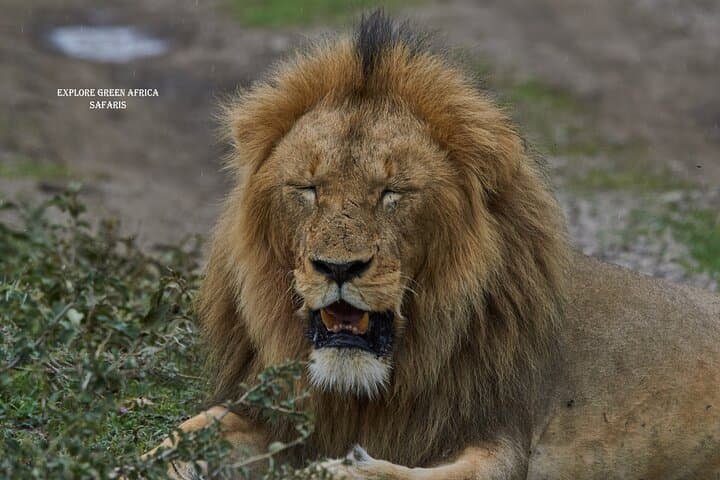
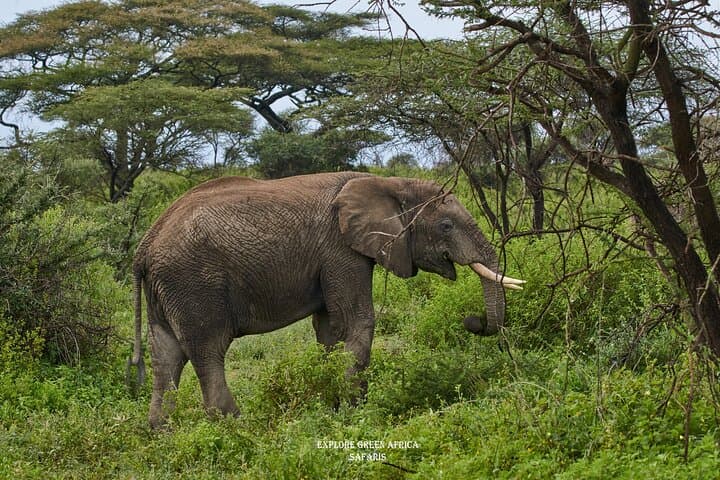
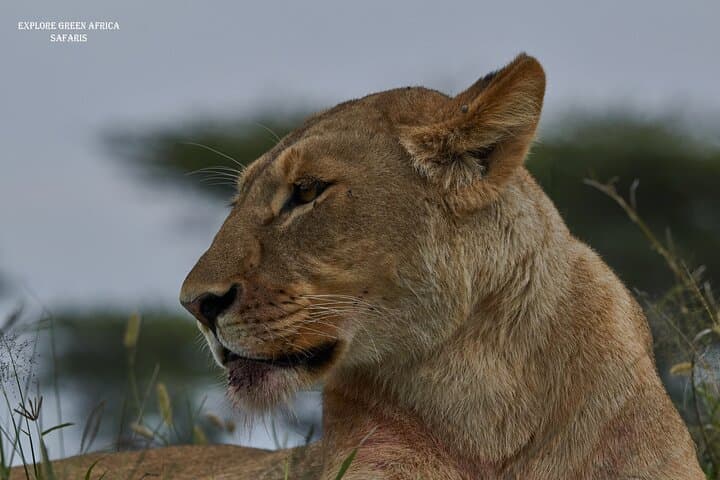
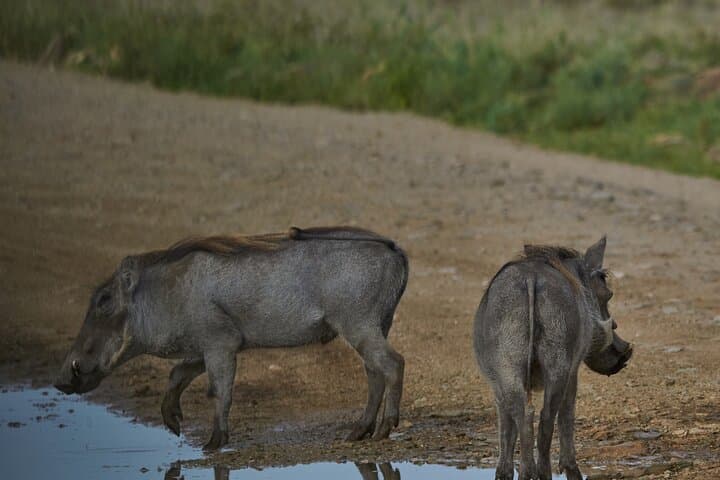
Dawn breaks over endless grassland and the first jeep eases forward, dust curling like a quiet promise. On day one you cross highland ridges and Maasai grazing country, then enter the Central Serengeti where acacia shadows and flat plains stage encounters with zebra herds and grazing elephants. By evening, a simple camp or a stone-built lodge sits under an enormous sky—lantern light, distant hyena calls.
Dawn breaks over endless grassland and the first jeep eases forward, dust curling like a quiet promise. On day one you cross highland ridges and Maasai grazing country, then enter the Central Serengeti where acacia shadows and flat plains stage encounters with zebra herds and grazing elephants. By evening, a simple camp or a stone-built lodge sits under an enormous sky—lantern light, distant hyena calls.
These three days trace two of Tanzania’s defining landscapes: the Serengeti’s sweeping savanna shaped by ancient tectonics and seasonal migrations, and the Ngorongoro Crater, a collapsed volcanic caldera whose steep rims hold a dense, resident wildlife community. The region is Maasai country—nomadic culture and cattle corridors punctuate the route—and conservation fees fund protected corridors that sustain both people and wildlife.
Expect long, game-focused drives with multiple stop-and-watch windows for predators and plains herbivores. Drives concentrate around Seronera in the Serengeti and the crater floor, each offering different light and animal behavior: mornings and late afternoons are prime for predator activity; midday suits birding and hippo viewing in crater ponds.
Practical pointers: pack layers for chilly mornings on the rim, sun protection for desert-like afternoons, and binoculars for distant herds. Vehicles are basic overland jeeps—bring a small daypack, hydrate frequently, and follow guide directions around wildlife. Road times between Arusha and central Serengeti are long (7–8 hours first day); this is safari travel—patience yields the best sightings.