THE ADVENTURE COLLECTIVE® · Independent discovery and booking for outdoor travel

Three days of concentrated game drives across Serengeti plains and into the Ngorongoro Crater—early starts, shared 4x4s with pop-up roofs, and public campsite overnights. This compact loop is built for close wildlife viewing with basic camping comfort.
Three days of concentrated game drives across Serengeti plains and into the Ngorongoro Crater—early starts, shared 4x4s with pop-up roofs, and public campsite overnights. This compact loop is built for close wildlife viewing with basic camping comfort.
Dawn cracks over the plains as your shared 4x4 slips out of Arusha, headlights cutting a ribbon through dry grass. The Serengeti opens like a living atlas—endless flats, kopjes where leopards watch from rock, and acacia silhouettes against a high blue sky. Early drives hum with movement: wildebeest grazing, a lone bull elephant testing the wind, lions padding through the long grasses as guides scan the horizon.
Verified experiences and guided adventures in the surrounding area.
Operated by Jema Safaris & Tours · Arusha, Arusha Region
Dawn cracks over the plains as your shared 4x4 slips out of Arusha, headlights cutting a ribbon through dry grass. The Serengeti opens like a living atlas—endless flats, kopjes where leopards watch from rock, and acacia silhouettes against a high blue sky. Early drives hum with movement: wildebeest grazing, a lone bull elephant testing the wind, lions padding through the long grasses as guides scan the horizon.
This three-day loop covers two of Tanzania’s most iconic ecosystems. The Serengeti (about 14,763 sq km) is shaped by ancient migration routes; Ngorongoro is a collapsed volcanic caldera whose rim sits near 2,200–2,400 m, dropping some 600–700 m to a fertile crater floor rich in resident species. The itinerary threads cultural history into the landscape—Maasai pastoral traditions persist along park boundaries, while Olduvai Gorge nearby records deep human history.
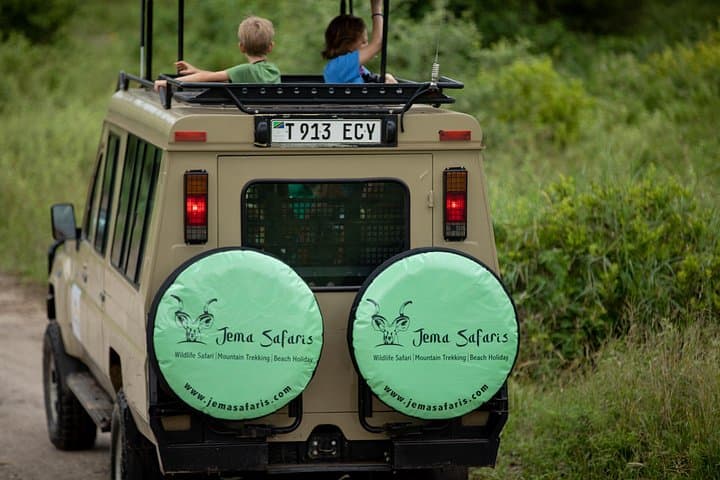
Practically: expect early mornings, long daylight game drives (drivers often depart before sunrise) and two nights at public campsites with shared facilities. Vehicles are shared 4x4s with pop-up roofs for photography; group size is typically up to 15. Roads are mostly gravel and dirt—washboards and muddy stretches are common in the wet season.
Pack layering for temperature swings between Arusha (≈1,400 m) and the cooler crater rim, binoculars, a charged camera, and at least 3 liters of water per day. Follow guide instructions, stay on designated tracks, and carry malaria precautions. For focused wildlife viewing in compressed time, this route delivers concentrated sightings with straightforward, rustic camping comfort.
moderate.
3 days.
Suitable for travelers in average fitness; requires comfort with long vehicle drives and short walks on uneven ground.
Drivers typically depart before sunrise (around 5:30–6:00 AM) to catch predators and early activity; expect long mornings in the vehicle.
Nights are at public campsites (Seronera and Simba) with shared facilities; camping equipment like tents and sleeping mats is provided.
Yes—entrance fees for Serengeti and Ngorongoro are listed as included in the itinerary details.
The tour notes it is not recommended for pregnant travelers; suitability for children depends on age and ability to tolerate long drives and basic camping.
Ngorongoro was designated a conservation area in the mid-20th century; Maasai pastoralists have grazed the highlands around these parks for generations.
Stay on marked tracks and follow guide instructions—tour fees and park permits fund anti-poaching and community conservation programs in these reserves.
Jema Safaris & Tours operates guided outdoor trips and adventures with an emphasis on safety, stewardship, and memorable experiences.
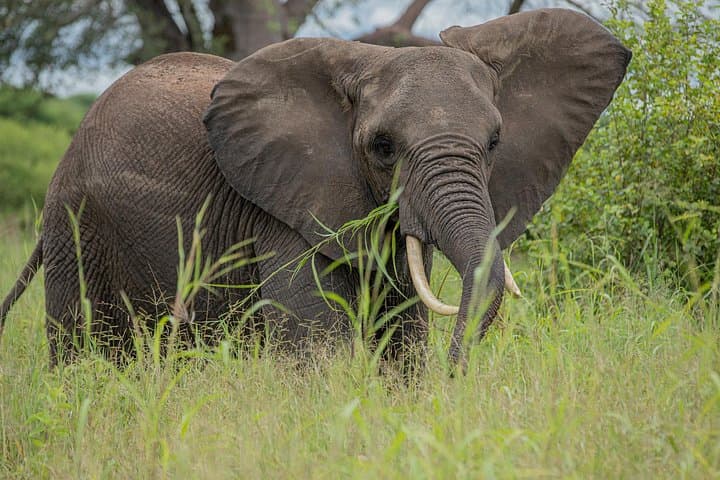
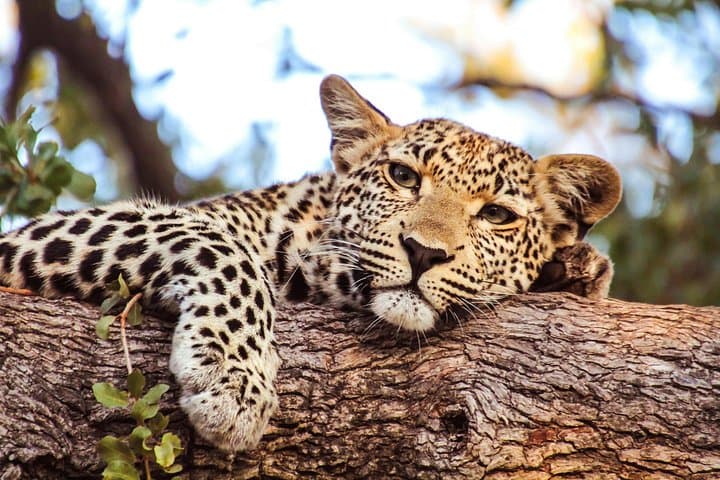
Dawn cracks over the plains as your shared 4x4 slips out of Arusha, headlights cutting a ribbon through dry grass. The Serengeti opens like a living atlas—endless flats, kopjes where leopards watch from rock, and acacia silhouettes against a high blue sky. Early drives hum with movement: wildebeest grazing, a lone bull elephant testing the wind, lions padding through the long grasses as guides scan the horizon.
Dawn cracks over the plains as your shared 4x4 slips out of Arusha, headlights cutting a ribbon through dry grass. The Serengeti opens like a living atlas—endless flats, kopjes where leopards watch from rock, and acacia silhouettes against a high blue sky. Early drives hum with movement: wildebeest grazing, a lone bull elephant testing the wind, lions padding through the long grasses as guides scan the horizon.
This three-day loop covers two of Tanzania’s most iconic ecosystems. The Serengeti (about 14,763 sq km) is shaped by ancient migration routes; Ngorongoro is a collapsed volcanic caldera whose rim sits near 2,200–2,400 m, dropping some 600–700 m to a fertile crater floor rich in resident species. The itinerary threads cultural history into the landscape—Maasai pastoral traditions persist along park boundaries, while Olduvai Gorge nearby records deep human history.
Practically: expect early mornings, long daylight game drives (drivers often depart before sunrise) and two nights at public campsites with shared facilities. Vehicles are shared 4x4s with pop-up roofs for photography; group size is typically up to 15. Roads are mostly gravel and dirt—washboards and muddy stretches are common in the wet season.
Pack layering for temperature swings between Arusha (≈1,400 m) and the cooler crater rim, binoculars, a charged camera, and at least 3 liters of water per day. Follow guide instructions, stay on designated tracks, and carry malaria precautions. For focused wildlife viewing in compressed time, this route delivers concentrated sightings with straightforward, rustic camping comfort.