THE ADVENTURE COLLECTIVE® · Independent discovery and booking for outdoor travel

Three days of game drives and camping link Serengeti’s rolling plains to Ngorongoro’s volcanic bowl. This practical safari pairs classic wildlife viewing with simple campsites and local cultural context.
Three days of game drives and camping link Serengeti’s rolling plains to Ngorongoro’s volcanic bowl. This practical safari pairs classic wildlife viewing with simple campsites and local cultural context.
Morning light cracks across the Serengeti and the land answers: acacia shadows lean, grass whispers and a distant engine cuts through the plain. On day one travelers roll out of Arusha and into the southern Seronera region, where kopjes puncture the savannah and lions use the rocky outcrops as lookout towers.
Verified experiences and guided adventures in the surrounding area.
Operated by Safari G.O.A.T.S · Arusha, Arusha Region
Morning light cracks across the Serengeti and the land answers: acacia shadows lean, grass whispers and a distant engine cuts through the plain. On day one travelers roll out of Arusha and into the southern Seronera region, where kopjes puncture the savannah and lions use the rocky outcrops as lookout towers.
This three-day loop pairs the open plains of Serengeti National Park with the geological bowl of Ngorongoro Crater. The Serengeti’s ecosystem formed over millennia of river deposits and seasonal migrations; Ngorongoro is a collapsed volcano whose steep rim holds a living caldera floor—an improbable amphitheater for black rhino, wildebeest and vast birdlife. Maasai culture frames both places: pastoralists have grazed these slopes for generations and their presence shaped modern conservation policy here, particularly the multi-use model of the Ngorongoro Conservation Area.
Expect long game drives, dawn and dusk light that turns plains into a moving landscape, and camping at simple, established sites (Seronera and Simba). Guides track animals by spoor and vantage, and hippo pools and leopard sightings are common in the Seronera valley.
Practicalities: this is vehicle-based safari travel with minimal hiking but extended time on dirt roads; bring layered clothing for cool mornings and hot afternoons, durable footwear for short walks, and binoculars. Park fees and meals are included; carry cash for tips and small village purchases. Start early, keep hydration in the vehicle, and follow ranger guidance—on an African safari, patience and timing reveal the best moments.
easy.
3 days.
Suitable for most fitness levels—mostly seated game drives with short, easy walks at camps and viewpoints.
Yes—this tour includes park fees and three meals per day as described in the itinerary.
The safari is vehicle-based and rated easy physically; participants should be able to get in and out of a safari vehicle and handle basic camping conditions.
Travelers should check Tanzania entry requirements and recommended vaccinations (yellow fever proof may be required from some countries); consult a travel clinic well before departure.
Migration timing varies by year; generally the northern Serengeti (June–October) and southern Serengeti (December–March) host large herds—check migration predictions for specific travel dates.
The Serengeti name comes from Maasai ‘Serengit’ meaning ‘land of endless plains’; the Ngorongoro area was shaped by volcanic collapse and later managed through collaborative Maasai-conservation policies.
Ngorongoro is a multi-use conservation area balancing Maasai pastoralism and wildlife protection; visitors should minimize disturbance, avoid single-use plastics, and follow guide instructions to reduce impact.
Safari G.O.A.T.S operates guided outdoor trips and adventures with an emphasis on safety, stewardship, and memorable experiences.

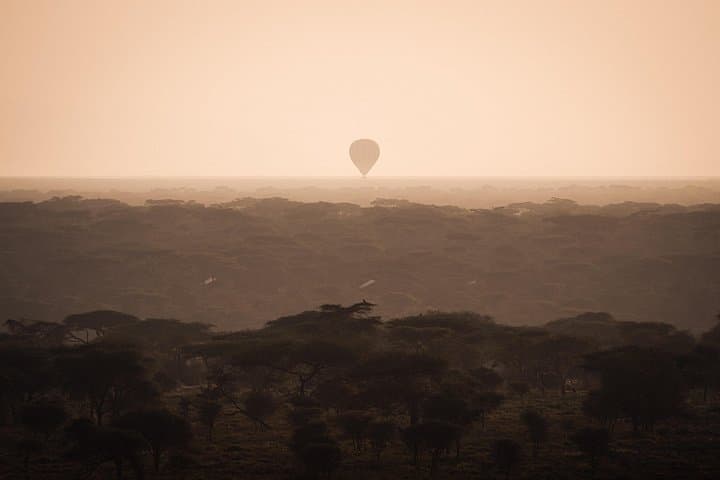
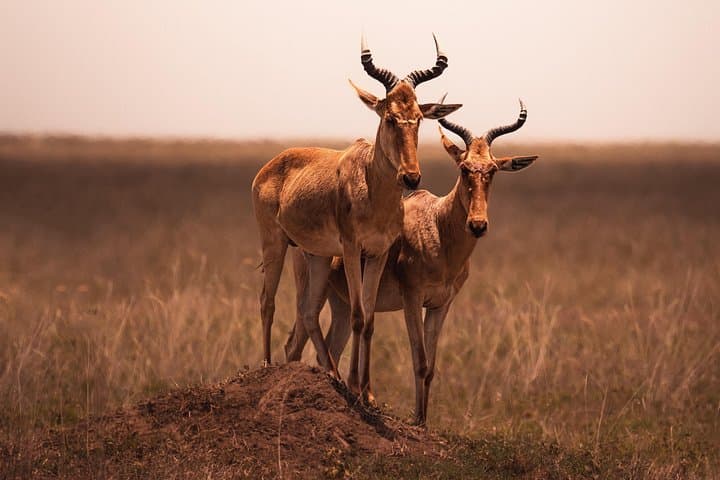
Morning light cracks across the Serengeti and the land answers: acacia shadows lean, grass whispers and a distant engine cuts through the plain. On day one travelers roll out of Arusha and into the southern Seronera region, where kopjes puncture the savannah and lions use the rocky outcrops as lookout towers.
Morning light cracks across the Serengeti and the land answers: acacia shadows lean, grass whispers and a distant engine cuts through the plain. On day one travelers roll out of Arusha and into the southern Seronera region, where kopjes puncture the savannah and lions use the rocky outcrops as lookout towers.
This three-day loop pairs the open plains of Serengeti National Park with the geological bowl of Ngorongoro Crater. The Serengeti’s ecosystem formed over millennia of river deposits and seasonal migrations; Ngorongoro is a collapsed volcano whose steep rim holds a living caldera floor—an improbable amphitheater for black rhino, wildebeest and vast birdlife. Maasai culture frames both places: pastoralists have grazed these slopes for generations and their presence shaped modern conservation policy here, particularly the multi-use model of the Ngorongoro Conservation Area.
Expect long game drives, dawn and dusk light that turns plains into a moving landscape, and camping at simple, established sites (Seronera and Simba). Guides track animals by spoor and vantage, and hippo pools and leopard sightings are common in the Seronera valley.
Practicalities: this is vehicle-based safari travel with minimal hiking but extended time on dirt roads; bring layered clothing for cool mornings and hot afternoons, durable footwear for short walks, and binoculars. Park fees and meals are included; carry cash for tips and small village purchases. Start early, keep hydration in the vehicle, and follow ranger guidance—on an African safari, patience and timing reveal the best moments.