THE ADVENTURE COLLECTIVE® · Independent discovery and booking for outdoor travel

Three days of camping from Arusha into the Serengeti and down into Ngorongoro Crater offer concentrated wildlife viewing—Big Five possibilities and migration drama—plus nights at simple campsites. Read on for what to expect, logistics, and packing tips.
Three days of camping from Arusha into the Serengeti and down into Ngorongoro Crater offer concentrated wildlife viewing—Big Five possibilities and migration drama—plus nights at simple campsites. Read on for what to expect, logistics, and packing tips.
You step out at dawn as the Land Cruiser’s roof unzips and the first plain light pours across a grass sea—acacia silhouettes and distant termite mounds define the horizon.
Verified experiences and guided adventures in the surrounding area.
Operated by Moorland Safari and Trekking · Arusha, Arusha Region
You step out at dawn as the Land Cruiser’s roof unzips and the first plain light pours across a grass sea—acacia silhouettes and distant termite mounds define the horizon.
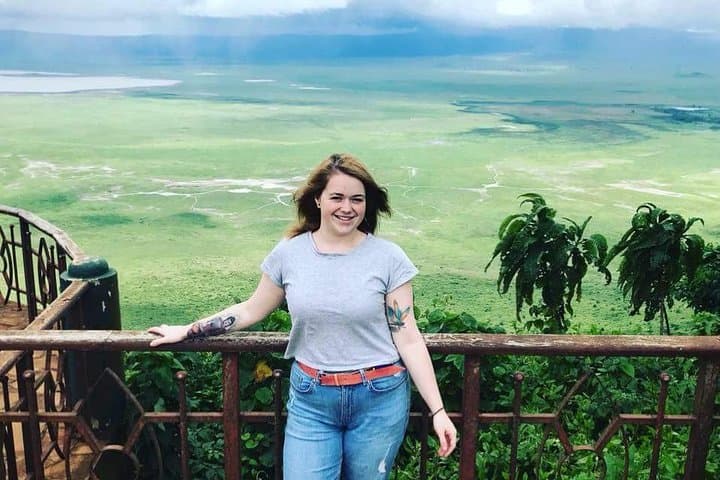
Over three days you move from Arusha’s highland cool into the Serengeti’s open plains and down into the Ngorongoro Crater’s bowl. The Serengeti’s Seronera valley is where predators and plains ungulates play out an ancient choreography; Ngorongoro is the world’s largest unbroken caldera, its rim rising roughly 600–700 meters above the crater floor and holding a dense mosaic of grassland and woodland that concentrates wildlife.
This route traces human and geological history: Maasai herders have grazed the plains for generations, and the Serengeti’s seasonal migrations—dominated by wildebeest and zebra—have defined ecological processes for millennia. Expect mornings of glassing distant herds, afternoons of tree‑shaded leopard sightings near riverine stands, and evenings at simple campsites with provided tents and sleeping mats.
Practically, plan for long drives (Arusha to Seronera ~6–8 hours), early starts, and unpaved roads. Park fees and experienced guides are included; camping keeps you close to wildlife but requires basic comfort with shared facilities and variable weather. Bring binoculars, layered neutral clothing, sun protection, and a small daypack. Hydrate, follow guide instructions near wildlife, and time your trip in the dry season (June–October) for tighter animal concentrations. The trip balances high-probability sightings of the Big Five with the elemental thrill of sleeping near the sounds of the African night—hands-on, straightforward, and resolutely wild.
moderate.
3 days.
Moderate—suitable for travelers who can tolerate long vehicle rides, short walks on uneven ground, and early mornings.
Ngorongoro has high likelihood of Big Five sightings (including black rhino in good seasons); Serengeti sightings vary but lions, elephants, buffalo, leopard and rhino are all present in the parks.
Expect full days in the vehicle: Arusha to Seronera ~6–8 hours; Serengeti game drives vary; Serengeti to Ngorongoro ~4–5 hours depending on route and stops.
Camps include tents, sleeping mats and sleeping bags as listed—facilities are basic but functional, with meals provided; bring a small pillow if you prefer extra comfort.
Yellow fever vaccination may be required depending on origin; standard travel vaccines and travel insurance are advised. Park entry fees and permits are included in this tour.
The Maasai have grazed across these landscapes for generations; European exploration began in the late 19th century and both parks are UNESCO-recognized for ecological importance.
Both parks rely on tourism revenue for anti-poaching and community projects—stay on roads, avoid single-use plastics, and follow guides to reduce disturbance.
Moorland Safari and Trekking operates guided outdoor trips and adventures with an emphasis on safety, stewardship, and memorable experiences.
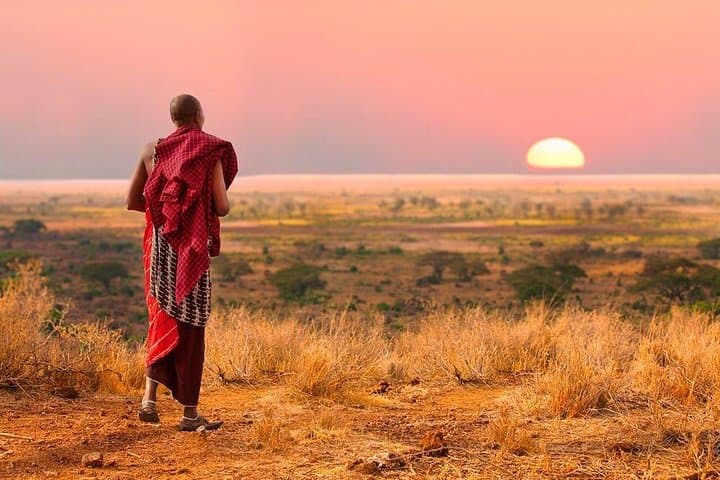

You step out at dawn as the Land Cruiser’s roof unzips and the first plain light pours across a grass sea—acacia silhouettes and distant termite mounds define the horizon.
You step out at dawn as the Land Cruiser’s roof unzips and the first plain light pours across a grass sea—acacia silhouettes and distant termite mounds define the horizon.
Over three days you move from Arusha’s highland cool into the Serengeti’s open plains and down into the Ngorongoro Crater’s bowl. The Serengeti’s Seronera valley is where predators and plains ungulates play out an ancient choreography; Ngorongoro is the world’s largest unbroken caldera, its rim rising roughly 600–700 meters above the crater floor and holding a dense mosaic of grassland and woodland that concentrates wildlife.
This route traces human and geological history: Maasai herders have grazed the plains for generations, and the Serengeti’s seasonal migrations—dominated by wildebeest and zebra—have defined ecological processes for millennia. Expect mornings of glassing distant herds, afternoons of tree‑shaded leopard sightings near riverine stands, and evenings at simple campsites with provided tents and sleeping mats.
Practically, plan for long drives (Arusha to Seronera ~6–8 hours), early starts, and unpaved roads. Park fees and experienced guides are included; camping keeps you close to wildlife but requires basic comfort with shared facilities and variable weather. Bring binoculars, layered neutral clothing, sun protection, and a small daypack. Hydrate, follow guide instructions near wildlife, and time your trip in the dry season (June–October) for tighter animal concentrations. The trip balances high-probability sightings of the Big Five with the elemental thrill of sleeping near the sounds of the African night—hands-on, straightforward, and resolutely wild.