THE ADVENTURE COLLECTIVE® · Independent discovery and booking for outdoor travel

Covering semi-Gobi dunes, Karakorum ruins, Terelj’s rock gardens and the monumental Genghis Khan Statue, this three-day tour blends nomadic stays, short hikes, camel and horse rides, and cultural visits for a focused introduction to Mongolia.
Covering semi-Gobi dunes, Karakorum ruins, Terelj’s rock gardens and the monumental Genghis Khan Statue, this three-day tour blends nomadic stays, short hikes, camel and horse rides, and cultural visits for a focused introduction to Mongolia.
The first morning light breaks over Ulaanbaatar and you climb into a van that will become your moving window across Mongolia’s open heart. Road dust rises as pavement turns to steppe and then to the serrated edges of semi-Gobi dunes where a nomad family waits with tea and a lunch of mutton and fresh dairy.
Verified experiences and guided adventures in the surrounding area.
Operated by NGA Tour Bureau · Ulaanbaatar, Ulaanbaatar
The first morning light breaks over Ulaanbaatar and you climb into a van that will become your moving window across Mongolia’s open heart. Road dust rises as pavement turns to steppe and then to the serrated edges of semi-Gobi dunes where a nomad family waits with tea and a lunch of mutton and fresh dairy.
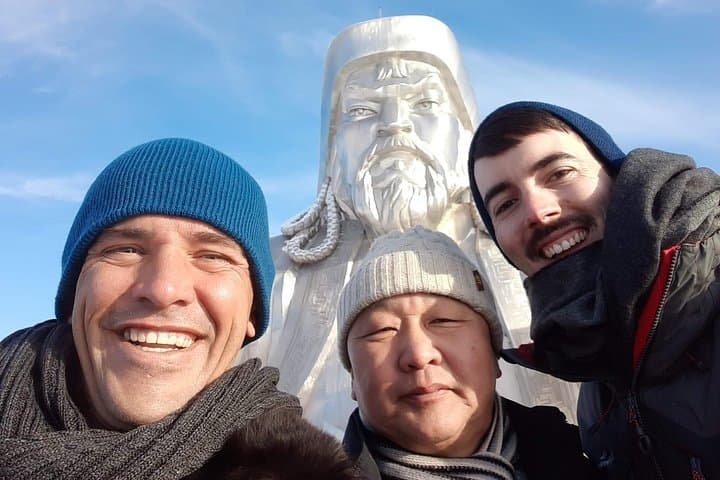
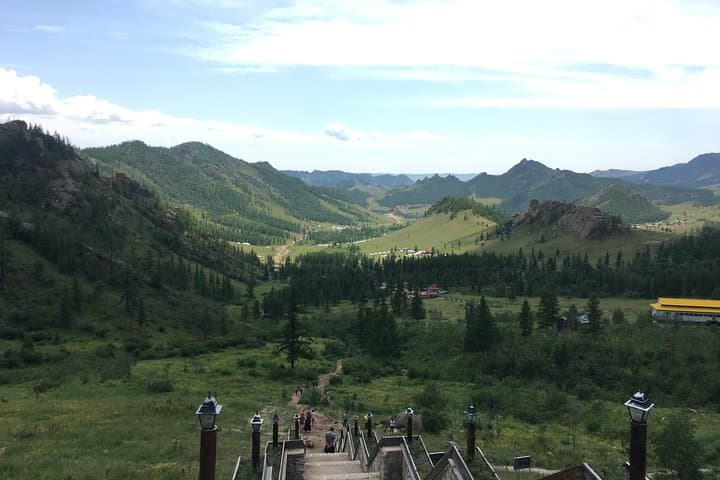
This compact three-day route threads together Mongolian history and landscape: semi-Gobi sands punctuated by hardy “zag” trees; the ruins and museum artifacts tied to Karakorum’s role as the 13th‑century Mongol capital; the sculpted granite spires and pine-rimmed valleys of Terelj. Cultural touchpoints include a working ger camp stay, a 16th‑century active Buddhist monastery, and the stainless-steel Genghis Khan Statue Complex—an emphatic modern landmark sited on the steppe.
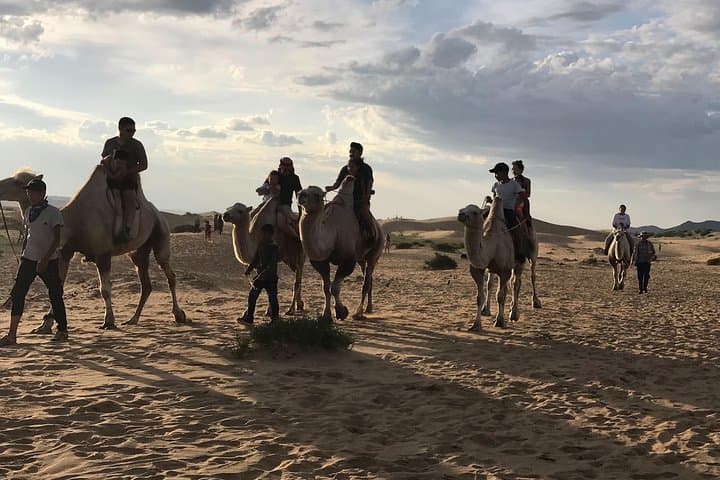
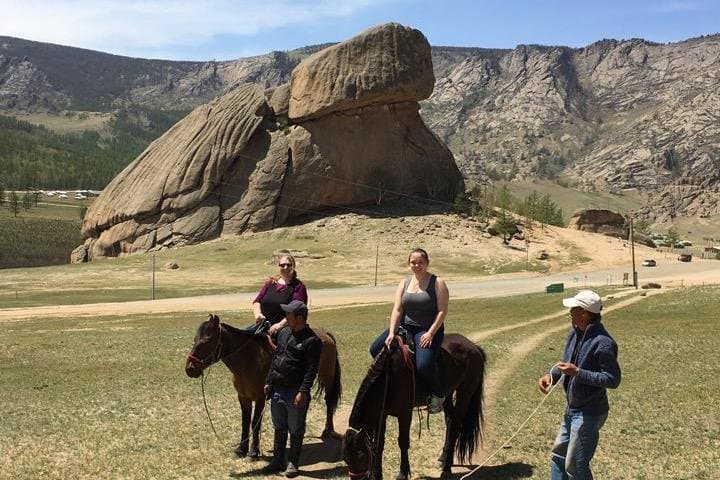
Expect short hikes (up to 45 minutes) to scenic viewpoints, a camel saddle across low dunes, and a guided horse ride on day three. Elevation is generally high plateau—Ulaanbaatar sits near 1,350 m—so mornings are cool, afternoons warm, and winds can sharpen quickly. Photography windows are best near sunrise and late afternoon.
Practical notes: pack layered clothing, sun protection, and a small daypack; ger camps provide basic bedding and cooked meals; carry local currency for small purchases and tips. If you have mobility limits, notify the operator—the trip includes some unpaved walking and mounting animals. For travelers who want a concentrated slice of Mongolia—its people, plains, and monuments—this tour balances immersive culture with achievable outdoor time.
moderate.
3 days.
Light to moderate fitness; able to manage several hours of driving, short hikes (30–60 minutes) and basic horseback/camel mounting.
Most walks are short to moderate (30–60 minutes) to viewpoints or temple steps; none require technical gear but expect uneven surfaces.
Gers (yurts) are basic but warm, typically with communal dining, mattresses and blankets; facilities vary by camp and may be simple.
No—guides handle horses and camels; basic balance and ability to follow instructions are sufficient for typical short rides.
Tours are usually guided in English; many hosts speak limited Mongolian—guides will translate cultural interactions and introductions.
This route touches Karakorum, the 13th‑century political center of the Mongol Empire, and modern commemorations like the Genghis Khan statue that celebrate national heritage.
Travelers should stick to established camp sites and trails to minimize erosion; camp providers typically use local wood and manage waste—ask your operator about their waste practices.
NGA Tour Bureau operates guided outdoor trips and adventures with an emphasis on safety, stewardship, and memorable experiences.
The first morning light breaks over Ulaanbaatar and you climb into a van that will become your moving window across Mongolia’s open heart. Road dust rises as pavement turns to steppe and then to the serrated edges of semi-Gobi dunes where a nomad family waits with tea and a lunch of mutton and fresh dairy.
The first morning light breaks over Ulaanbaatar and you climb into a van that will become your moving window across Mongolia’s open heart. Road dust rises as pavement turns to steppe and then to the serrated edges of semi-Gobi dunes where a nomad family waits with tea and a lunch of mutton and fresh dairy.
This compact three-day route threads together Mongolian history and landscape: semi-Gobi sands punctuated by hardy “zag” trees; the ruins and museum artifacts tied to Karakorum’s role as the 13th‑century Mongol capital; the sculpted granite spires and pine-rimmed valleys of Terelj. Cultural touchpoints include a working ger camp stay, a 16th‑century active Buddhist monastery, and the stainless-steel Genghis Khan Statue Complex—an emphatic modern landmark sited on the steppe.
Expect short hikes (up to 45 minutes) to scenic viewpoints, a camel saddle across low dunes, and a guided horse ride on day three. Elevation is generally high plateau—Ulaanbaatar sits near 1,350 m—so mornings are cool, afternoons warm, and winds can sharpen quickly. Photography windows are best near sunrise and late afternoon.
Practical notes: pack layered clothing, sun protection, and a small daypack; ger camps provide basic bedding and cooked meals; carry local currency for small purchases and tips. If you have mobility limits, notify the operator—the trip includes some unpaved walking and mounting animals. For travelers who want a concentrated slice of Mongolia—its people, plains, and monuments—this tour balances immersive culture with achievable outdoor time.