THE ADVENTURE COLLECTIVE® · Independent discovery and booking for outdoor travel

Three days in Selous (Nyerere) compresses river cruises, game drives and fly‑camping into an immersive wildlife experience. Expect close encounters with elephants, hippos and lions across riverine floodplains and miombo woodland.
Three days in Selous (Nyerere) compresses river cruises, game drives and fly‑camping into an immersive wildlife experience. Expect close encounters with elephants, hippos and lions across riverine floodplains and miombo woodland.
Dawn breaks over the Rufiji River and the floodplain exhales — hippos grunt in the shallows while crimson-breasted fish eagles announce the morning. On a three‑day wildlife encounter in Selous (now Nyerere National Park) you move between wide river channels, grassy floodplains and patches of dense miombo woodland, each habitat offering a different rhythm of wildlife.
Verified experiences and guided adventures in the surrounding area.
Dawn breaks over the Rufiji River and the floodplain exhales — hippos grunt in the shallows while crimson-breasted fish eagles announce the morning. On a three‑day wildlife encounter in Selous (now Nyerere National Park) you move between wide river channels, grassy floodplains and patches of dense miombo woodland, each habitat offering a different rhythm of wildlife.
The park, formally part of the old Selous Game Reserve and expanded into Nyerere National Park in 2019, covers more than 30,000 km² and supports Tanzania’s largest elephant population. Geologically the landscape is low and ancient: flat coastal plains dissected by the Rufiji’s oxbows and seasonal channels, with elevations generally under 200 m. Human history here includes Swahili trade routes and Maasai, Matumbi and Ndengereko communities whose knowledge of the land still guides modern safaris.
Expect classic game drives at first and last light, a boat safari that narrows the world to riverbanks and mirrored sky, and optional guided walks or fly‑camping under open stars. Terrain is mostly flat but can be soft and muddy after rains; drives cover tens of kilometres on unpaved tracks while guided walks are typically short (1–5 km).
Practical guidance: travel from Dar es Salaam (4–6 hours by road or short charter flight), pack lightweight long sleeves for sun and tsetse, bring reliable binoculars and malaria precautions. Timing matters — the dry months concentrate game along permanent water, while the wet season swells the Rufiji and opens rich migratory patterns. Respect guides’ instructions during walks and fly camps: wildlife is mobile and the landscape commands caution as much as wonder.
moderate.
3 days (approx. 72 hours).
Light to moderate fitness — comfortable with bumpy vehicle rides, short walks up to 5 km, and occasional basic camping.
You can drive (4–6 hours on graded and dirt roads), take a scheduled charter flight to nearby airstrips, or combine an overnight transfer with an early morning arrival—operators will organize transfers.
The dry season (June–October) concentrates wildlife around water and offers excellent visibility; the wet season (November–May) brings bird migration and lush scenery but can make some tracks impassable.
Guided walks are short and led by armed, experienced rangers; beginners can participate but must follow guide instructions and keep quiet and compact as groups pass through active habitat.
Yellow fever vaccination may be required depending on travel origin; malaria prophylaxis is recommended—check with a travel health clinic well before departure.
Selous’ landscape was historically traversed by coastal traders and later designated a vast game reserve during colonial times; in 2019 part of the reserve became Nyerere National Park to strengthen protection.
The park faces pressures from poaching and upstream development; responsible operators work with park authorities on anti‑poaching efforts and community conservation programs.
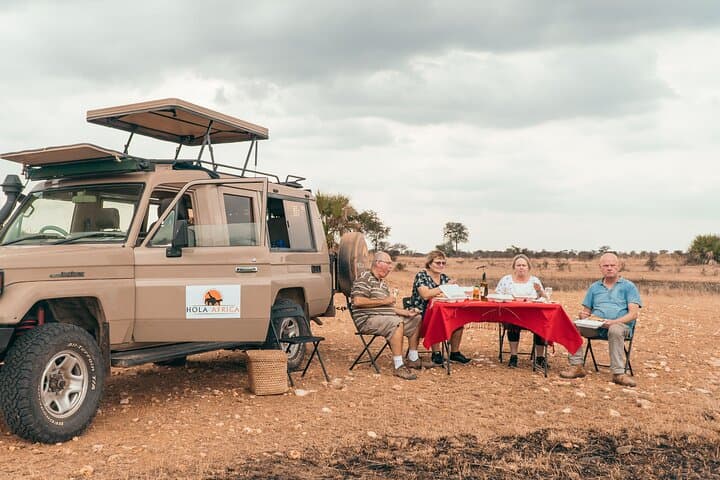
Dawn breaks over the Rufiji River and the floodplain exhales — hippos grunt in the shallows while crimson-breasted fish eagles announce the morning. On a three‑day wildlife encounter in Selous (now Nyerere National Park) you move between wide river channels, grassy floodplains and patches of dense miombo woodland, each habitat offering a different rhythm of wildlife.
Dawn breaks over the Rufiji River and the floodplain exhales — hippos grunt in the shallows while crimson-breasted fish eagles announce the morning. On a three‑day wildlife encounter in Selous (now Nyerere National Park) you move between wide river channels, grassy floodplains and patches of dense miombo woodland, each habitat offering a different rhythm of wildlife.
The park, formally part of the old Selous Game Reserve and expanded into Nyerere National Park in 2019, covers more than 30,000 km² and supports Tanzania’s largest elephant population. Geologically the landscape is low and ancient: flat coastal plains dissected by the Rufiji’s oxbows and seasonal channels, with elevations generally under 200 m. Human history here includes Swahili trade routes and Maasai, Matumbi and Ndengereko communities whose knowledge of the land still guides modern safaris.
Expect classic game drives at first and last light, a boat safari that narrows the world to riverbanks and mirrored sky, and optional guided walks or fly‑camping under open stars. Terrain is mostly flat but can be soft and muddy after rains; drives cover tens of kilometres on unpaved tracks while guided walks are typically short (1–5 km).
Practical guidance: travel from Dar es Salaam (4–6 hours by road or short charter flight), pack lightweight long sleeves for sun and tsetse, bring reliable binoculars and malaria precautions. Timing matters — the dry months concentrate game along permanent water, while the wet season swells the Rufiji and opens rich migratory patterns. Respect guides’ instructions during walks and fly camps: wildlife is mobile and the landscape commands caution as much as wonder.