THE ADVENTURE COLLECTIVE® · Independent discovery and booking for outdoor travel

Three days in Selous (Nyerere National Park) combine walking safaris, full-day game drives and river views. This guide covers what to expect—from road transfers and terrain to wildlife highlights and practical packing tips.
Three days in Selous (Nyerere National Park) combine walking safaris, full-day game drives and river views. This guide covers what to expect—from road transfers and terrain to wildlife highlights and practical packing tips.
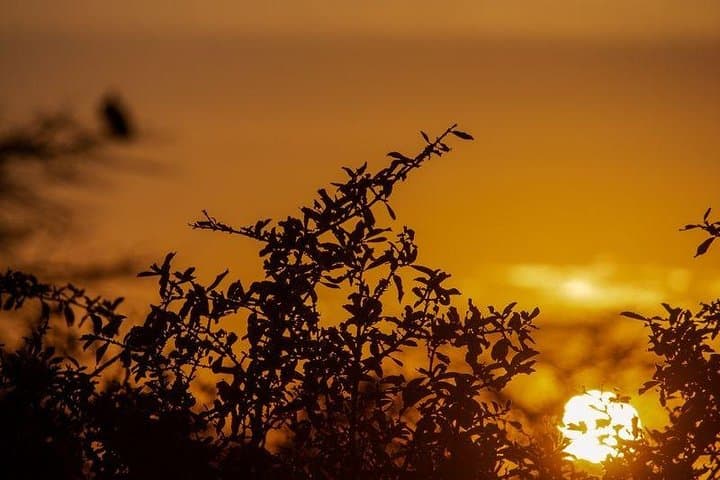
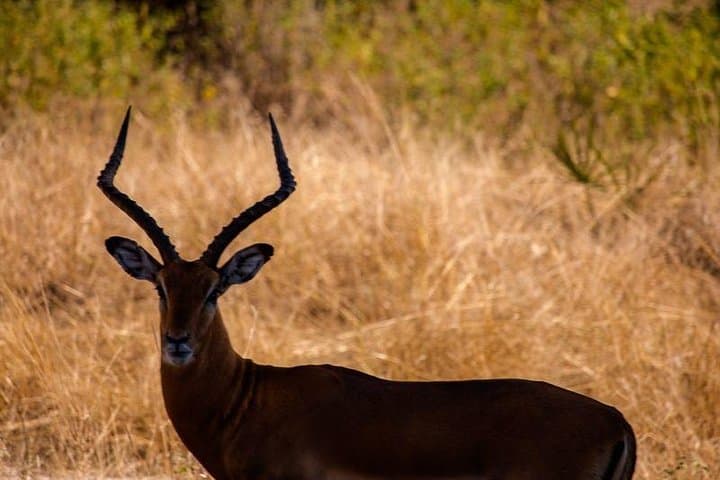
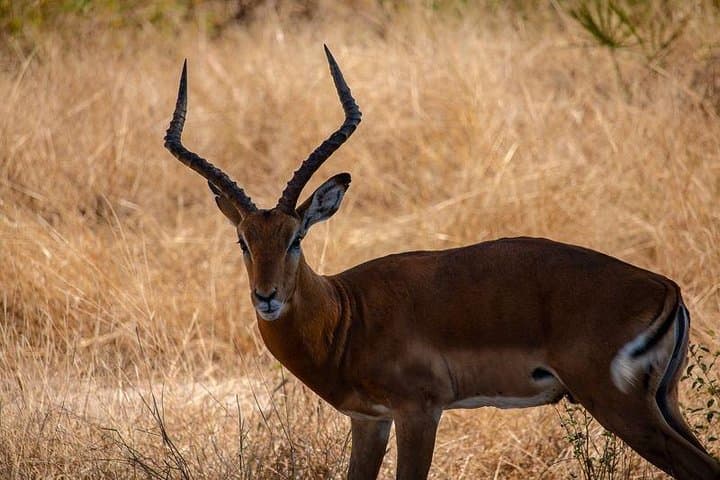
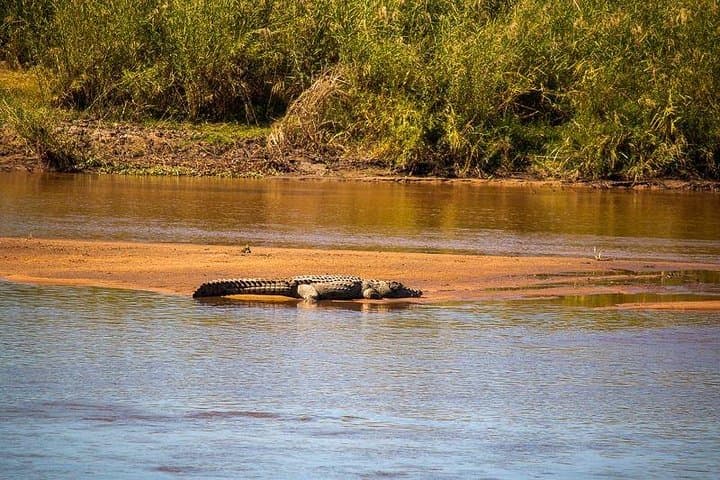
The sun rises wide over the Rufiji floodplain as a Land Cruiser eases onto a sandy track—hippo calls carry across the water and the river dares you to step closer. Over three days, the Selous Game Reserve (now part of Nyerere National Park) unfolds from river channels and miombo woodland into broad savanna, where elephant herds move like slow freight and lions lounge near seasonal pans.
Verified experiences and guided adventures in the surrounding area.
Operated by Masoko Tours and Travel Agency · Dar es Salaam, Dar es Salaam Region
The sun rises wide over the Rufiji floodplain as a Land Cruiser eases onto a sandy track—hippo calls carry across the water and the river dares you to step closer. Over three days, the Selous Game Reserve (now part of Nyerere National Park) unfolds from river channels and miombo woodland into broad savanna, where elephant herds move like slow freight and lions lounge near seasonal pans.
Selous is Africa-sized: larger than Switzerland and a UNESCO World Heritage site shaped by the Rufiji River. Geologically it is low-lying coastal plain cut by seasonal channels; culturally the area sits within the sphere of coastal Tanzanian trading routes and rural communities that still practice fishing and pastoralism. Birdlife is prolific year-round—fish eagles, storks and rollers pepper the sky.
Expect logistics: the transfer from Dar es Salaam covers roughly 150 km of paved road followed by about 200 km of rough track; the itinerary includes a 2-hour walking safari and full-day game drives (about 8 hours in the field). Terrain is sandy tracks, river banks and low scrub—visibility is excellent on drives but close encounters can be sudden on foot.
Practical guide: travel light, bring binoculars, and budget for dust and warm days with cool mornings. Best game viewing is during the dry months (June–October) when animals concentrate at water. Respect wildlife distances—hippos and elephants are unpredictable. Guides provide local insight and safety; visitors should carry water, sun protection and a sense of patience—the reserve rewards quiet attention with rare species such as African wild dog and expansive, untrammeled river scenery.
easy.
3 days (approx. 72 hours).
Suitable for travelers with basic mobility; walking component is short (about 2 hours) but game drives involve long periods seated.
Check the booking details—many operators include park fees and transfers, but some require separate conservation fees payable locally.
Yellow fever certification may be required depending on arrival country; malaria prophylaxis and routine vaccinations are recommended—consult a travel clinic before departure.
Guides maintain strict safety distances—walking safaris are guided and designed to minimize risk; always follow your guide’s instructions.
Yes—most itineraries return to Dar es Salaam with hotel or airport drop-offs; confirm pickup and drop-off details when booking.
Selous was designated a hunting reserve in the early 20th century and later protected as one of Tanzania’s largest conservation areas; its human history includes coastal trade and local fishing communities along the Rufiji.
Nyerere National Park faces pressures from poaching and river-based development; choosing responsible operators that support anti-poaching and community projects helps sustain the ecosystem.
Masoko Tours and Travel Agency operates guided outdoor trips and adventures with an emphasis on safety, stewardship, and memorable experiences.
The sun rises wide over the Rufiji floodplain as a Land Cruiser eases onto a sandy track—hippo calls carry across the water and the river dares you to step closer. Over three days, the Selous Game Reserve (now part of Nyerere National Park) unfolds from river channels and miombo woodland into broad savanna, where elephant herds move like slow freight and lions lounge near seasonal pans.
The sun rises wide over the Rufiji floodplain as a Land Cruiser eases onto a sandy track—hippo calls carry across the water and the river dares you to step closer. Over three days, the Selous Game Reserve (now part of Nyerere National Park) unfolds from river channels and miombo woodland into broad savanna, where elephant herds move like slow freight and lions lounge near seasonal pans.
Selous is Africa-sized: larger than Switzerland and a UNESCO World Heritage site shaped by the Rufiji River. Geologically it is low-lying coastal plain cut by seasonal channels; culturally the area sits within the sphere of coastal Tanzanian trading routes and rural communities that still practice fishing and pastoralism. Birdlife is prolific year-round—fish eagles, storks and rollers pepper the sky.
Expect logistics: the transfer from Dar es Salaam covers roughly 150 km of paved road followed by about 200 km of rough track; the itinerary includes a 2-hour walking safari and full-day game drives (about 8 hours in the field). Terrain is sandy tracks, river banks and low scrub—visibility is excellent on drives but close encounters can be sudden on foot.
Practical guide: travel light, bring binoculars, and budget for dust and warm days with cool mornings. Best game viewing is during the dry months (June–October) when animals concentrate at water. Respect wildlife distances—hippos and elephants are unpredictable. Guides provide local insight and safety; visitors should carry water, sun protection and a sense of patience—the reserve rewards quiet attention with rare species such as African wild dog and expansive, untrammeled river scenery.