THE ADVENTURE COLLECTIVE® · Independent discovery and booking for outdoor travel

Ride an overnight train from Hanoi into highland mist, then trek through Muong Hoa Valley to H’mong and Tay villages. This three-day circuit pairs shared soft-sleeper cabins with guided walks past rice terraces, waterfalls and colonial-era hydro relics.
Ride an overnight train from Hanoi into highland mist, then trek through Muong Hoa Valley to H’mong and Tay villages. This three-day circuit pairs shared soft-sleeper cabins with guided walks past rice terraces, waterfalls and colonial-era hydro relics.
You step off an early Lao Cai platform with sleep in your bones and wet mountain air pulling at your jacket — the overnight train has given way to terraced slopes that climb like a stairway into cloud.
Verified experiences and guided adventures in the surrounding area.
Operated by Local Tours ASIA · Sapa, Lao Cai Province
You step off an early Lao Cai platform with sleep in your bones and wet mountain air pulling at your jacket — the overnight train has given way to terraced slopes that climb like a stairway into cloud.
The route threads Muong Hoa Valley: six kilometers down to Y Linh Ho, another three to Lao Chai, then higher again through rice benches to Ta Van and the wood-framed houses of the Tay. To the southwest, Cat Cat village and Sin Chai sit beneath the bulk of the Hoang Lien Son range, whose granite spurs and steep river-cut valleys frame Fansipan, the highest peak in Indochina.
These valleys are as much cultural landscape as geology — centuries of irrigation and hand-built terraces shaped by the Black H’mong and Tay people. Scattered relics of early 20th-century hydro works punctuate waterfalls and footpaths; markets in Sapa town showcase brocades, silverwork and woven bags made by local artisans.
Practical guide: expect moderate day hikes of 6–12 km across uneven, sometimes muddy trails with short elevation changes; good footwear and trekking poles help. The tour uses shared A/C soft-sleeper train cabins (4-berth) and 3-star hotel rooms in Sapa, with two full days of guided trekking and meals included. Weather shifts quickly — layer for morning chill and afternoon sun, and carry rain protection during the monsoon months. Hydrate and pace climbs; guides handle logistics and transfers between Lao Cai, Sapa and villages. If you prefer independent pacing, consider booking extra time in Sapa to explore markets and side trails once the group program ends.
moderate.
3 days.
Moderate fitness — able to hike 6–12 km on uneven trails with short climbs and descents.
The train takes about 8 hours; departures are typically between 7–10 PM with arrival early morning in Lao Cai.
Cabins are A/C soft sleepers with four berths shared among travelers unless you book a private compartment separately.
Trekking is classed moderate — mostly well-defined paths and terraces with some steep patches; expect 6–12 km days and some uneven footing.
Bring cash (VND), modest clothing for culturally sensitive areas, water, snacks and a small gift if you wish to support local households.
Sapa developed as a hill station in the French colonial era; terraces and early hydropower remains reflect both indigenous agriculture and colonial infrastructure.
Tourism pressure and changing agricultural practices affect terraced fields and water use; stick to trails, avoid single-use plastics, and buy local handicrafts to support village economies.
Local Tours ASIA operates guided outdoor trips and adventures with an emphasis on safety, stewardship, and memorable experiences.

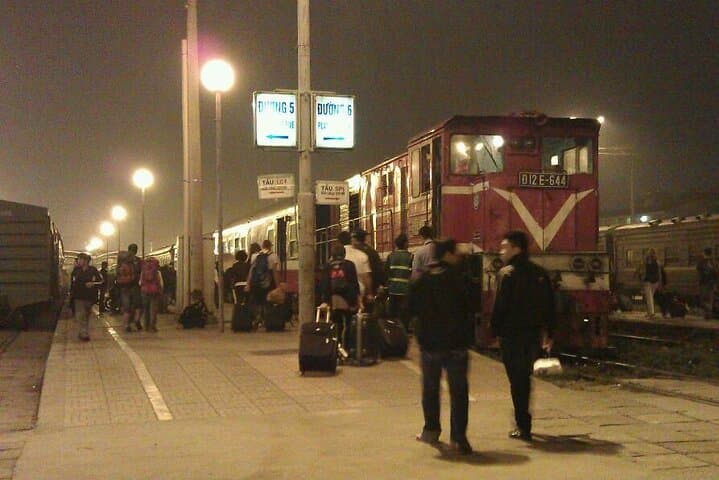
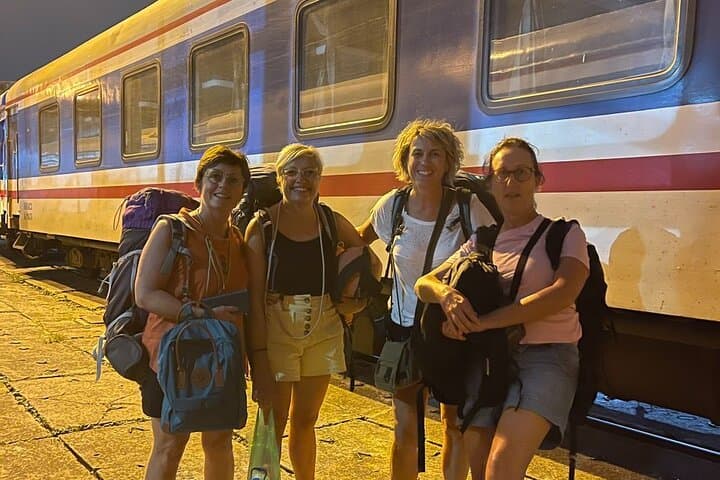

You step off an early Lao Cai platform with sleep in your bones and wet mountain air pulling at your jacket — the overnight train has given way to terraced slopes that climb like a stairway into cloud.
You step off an early Lao Cai platform with sleep in your bones and wet mountain air pulling at your jacket — the overnight train has given way to terraced slopes that climb like a stairway into cloud.
The route threads Muong Hoa Valley: six kilometers down to Y Linh Ho, another three to Lao Chai, then higher again through rice benches to Ta Van and the wood-framed houses of the Tay. To the southwest, Cat Cat village and Sin Chai sit beneath the bulk of the Hoang Lien Son range, whose granite spurs and steep river-cut valleys frame Fansipan, the highest peak in Indochina.
These valleys are as much cultural landscape as geology — centuries of irrigation and hand-built terraces shaped by the Black H’mong and Tay people. Scattered relics of early 20th-century hydro works punctuate waterfalls and footpaths; markets in Sapa town showcase brocades, silverwork and woven bags made by local artisans.
Practical guide: expect moderate day hikes of 6–12 km across uneven, sometimes muddy trails with short elevation changes; good footwear and trekking poles help. The tour uses shared A/C soft-sleeper train cabins (4-berth) and 3-star hotel rooms in Sapa, with two full days of guided trekking and meals included. Weather shifts quickly — layer for morning chill and afternoon sun, and carry rain protection during the monsoon months. Hydrate and pace climbs; guides handle logistics and transfers between Lao Cai, Sapa and villages. If you prefer independent pacing, consider booking extra time in Sapa to explore markets and side trails once the group program ends.