THE ADVENTURE COLLECTIVE® · Independent discovery and booking for outdoor travel

Spend three days trekking between Sapa’s ethnic villages, sleeping in homestays and walking terraces carved into the Hoàng Liên Sơn. This itinerary blends cultural immersion with manageable mountain trails and hands-on village experiences.
Spend three days trekking between Sapa’s ethnic villages, sleeping in homestays and walking terraces carved into the Hoàng Liên Sơn. This itinerary blends cultural immersion with manageable mountain trails and hands-on village experiences.
A cold ribbon of fog lifts from the Muong Hoa valley as the sleeper bus eases into Sapa; terraces reappear like steps cut into the mountain’s flank. On this 3-day route you move between villages—Y Linh Ho, Lao Chai, Ta Van, Giang Ta Chai and Ban Ho—traversing terraces, bamboo bridges and stone paths that the local H’mong and Red Dao have used for generations.
Verified experiences and guided adventures in the surrounding area.
Operated by Mekong Tourist · Sapa, Lao Cai
A cold ribbon of fog lifts from the Muong Hoa valley as the sleeper bus eases into Sapa; terraces reappear like steps cut into the mountain’s flank. On this 3-day route you move between villages—Y Linh Ho, Lao Chai, Ta Van, Giang Ta Chai and Ban Ho—traversing terraces, bamboo bridges and stone paths that the local H’mong and Red Dao have used for generations.
The Hoàng Liên Sơn range, an outcrop of the Himalayan orogenic belt, drives weather from the Gulf of Tonkin into sudden mists and bright, cool days. Sapa’s modern history as a French hill station sits beside older stories: multi-ethnic communities tending rice terraces, dyeing textiles and maintaining house-stilt architecture. Geology here produces steep valley steps and fast-draining soils; underfoot you’ll trade flat highway walking for ladders of rice paddies and short, sometimes muddy climbs.
Expect guided walks of roughly 6–14 km per active day (about 30 km total), with village-to-village transfers and homestay nights. Trails undulate between ~1,000–1,650 m elevation with intermittent ascents of a few hundred meters; the terrain includes packed earth, stone steps and small suspension bridges.
Practical edge: start early to avoid afternoon fog and showers, carry cash for small village purchases, and allow time for the homestay cooking class and market strolls. Footwear with good grip, a lightweight rain shell, and layered clothing for chilly evenings will keep the trip comfortable. The route is cultural as much as scenic—move deliberately, respect local customs, and you’ll leave with terraces, tastes and stories in equal measure.
moderate.
3 days.
Suitable for travelers in decent walking shape able to handle multiple half-day hikes and short steep sections; not technical endurance required.
Expect 6–14 km per active day on undulating village trails with short steep sections; the itinerary is rated moderate and suitable for regular walkers.
Yes — homestays include meals and optional cooking classes, and guided visits to H’mong and Red Dao villages allow cultural exchanges and market time.
Sapa sits around 1,000–1,650 m—most travelers won’t have altitude sickness, but move slowly, hydrate and mention any heart or respiratory conditions when booking.
Villages have basic facilities and homestays provide western or squat toilets; carry tissues and hand sanitizer for convenience.
Sapa grew as a French hill station in the early 20th century; its valleys have long been shaped by ethnic H’mong, Red Dao and Tay agricultural practices.
Terrace maintenance and responsible trekking reduce erosion; stick to trails, limit single-use plastics and support homestays that reinvest in local conservation.
Mekong Tourist operates guided outdoor trips and adventures with an emphasis on safety, stewardship, and memorable experiences.
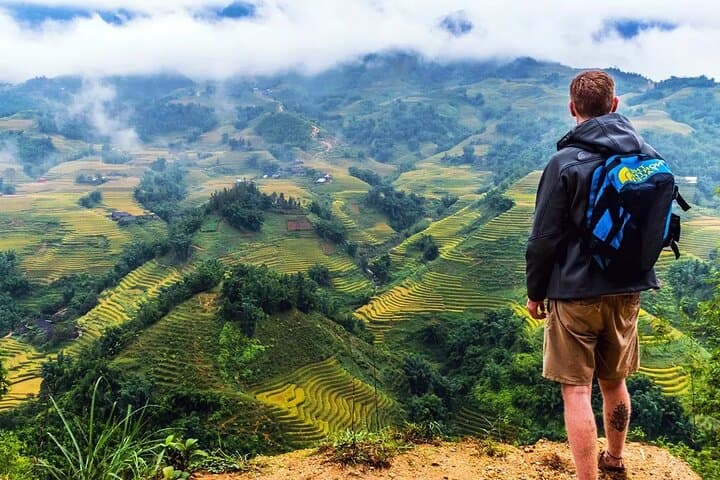
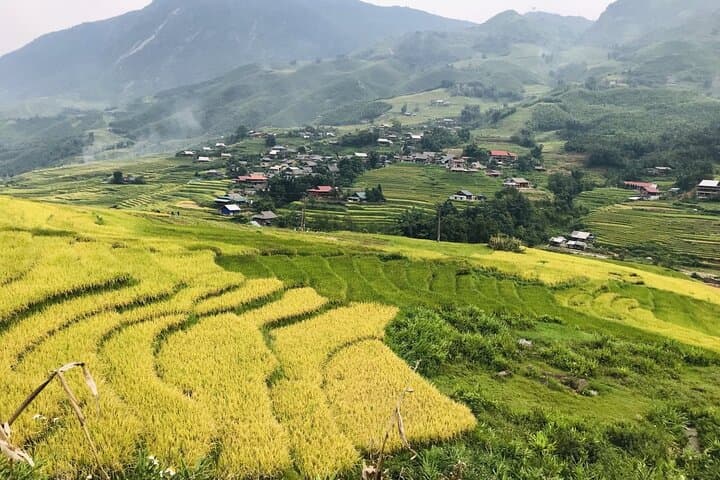
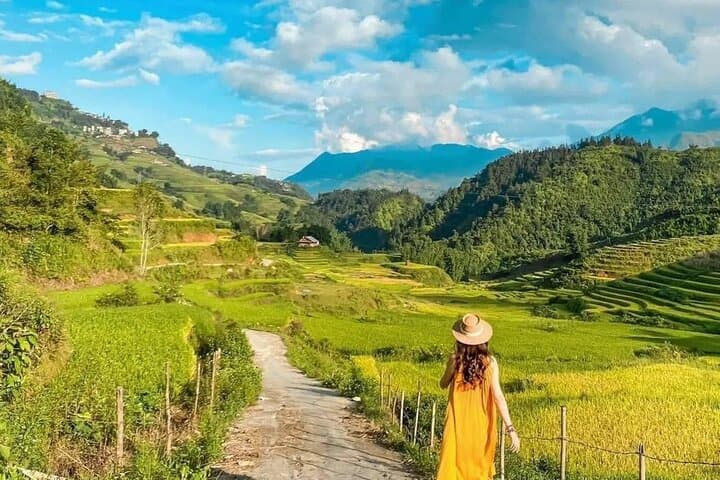

A cold ribbon of fog lifts from the Muong Hoa valley as the sleeper bus eases into Sapa; terraces reappear like steps cut into the mountain’s flank. On this 3-day route you move between villages—Y Linh Ho, Lao Chai, Ta Van, Giang Ta Chai and Ban Ho—traversing terraces, bamboo bridges and stone paths that the local H’mong and Red Dao have used for generations.
A cold ribbon of fog lifts from the Muong Hoa valley as the sleeper bus eases into Sapa; terraces reappear like steps cut into the mountain’s flank. On this 3-day route you move between villages—Y Linh Ho, Lao Chai, Ta Van, Giang Ta Chai and Ban Ho—traversing terraces, bamboo bridges and stone paths that the local H’mong and Red Dao have used for generations.
The Hoàng Liên Sơn range, an outcrop of the Himalayan orogenic belt, drives weather from the Gulf of Tonkin into sudden mists and bright, cool days. Sapa’s modern history as a French hill station sits beside older stories: multi-ethnic communities tending rice terraces, dyeing textiles and maintaining house-stilt architecture. Geology here produces steep valley steps and fast-draining soils; underfoot you’ll trade flat highway walking for ladders of rice paddies and short, sometimes muddy climbs.
Expect guided walks of roughly 6–14 km per active day (about 30 km total), with village-to-village transfers and homestay nights. Trails undulate between ~1,000–1,650 m elevation with intermittent ascents of a few hundred meters; the terrain includes packed earth, stone steps and small suspension bridges.
Practical edge: start early to avoid afternoon fog and showers, carry cash for small village purchases, and allow time for the homestay cooking class and market strolls. Footwear with good grip, a lightweight rain shell, and layered clothing for chilly evenings will keep the trip comfortable. The route is cultural as much as scenic—move deliberately, respect local customs, and you’ll leave with terraces, tastes and stories in equal measure.