THE ADVENTURE COLLECTIVE® · Independent discovery and booking for outdoor travel

A three-day trek from Hanoi to Sapa that pairs homestay nights with classic rice terrace trails. Walk between Cat Cat, Y Linh Ho, Lao Chai, Ta Van and Giang Ta Chai while staying with local families and sampling highland culture.
A three-day trek from Hanoi to Sapa that pairs homestay nights with classic rice terrace trails. Walk between Cat Cat, Y Linh Ho, Lao Chai, Ta Van and Giang Ta Chai while staying with local families and sampling highland culture.
The bus eases down from the high highway and Sapa appears through a low, milky fog—rice terraces step down the valley like layered green benches, and women in indigo and embroidered caps move like bright stitches across the slopes.
Verified experiences and guided adventures in the surrounding area.
Operated by Vietnam Open Tour Limited Company · Sapa, Lào Cai
The bus eases down from the high highway and Sapa appears through a low, milky fog—rice terraces step down the valley like layered green benches, and women in indigo and embroidered caps move like bright stitches across the slopes.
This three-day trek follows old footpaths between Cat Cat, Y Linh Ho, Lao Chai, Ta Van and Giang Ta Chai, villages where H’Mong, Dao and Giay families continue traditional farming and craftwork. The area sits on the Hoang Lien Son range at roughly 1,600 m elevation; the terraces are carved into steep slopes and fed by small streams and seasonal runoff. French colonial influence left stone houses and an early hydro site at Cat Cat, while the terraces themselves reflect a century of communal labor and irrigation ingenuity.
Expect steady walking rather than technical mountaineering: short paved sections around Sapa town give way to dirt tracks, steep stone steps and bamboo-shaded trail through secondary forest. Day 1’s 3 km descent to Cat Cat and the return to town is gentle but can be slippery when wet; Day 2 covers the photogenic terraces from Y Linh Ho to Lao Chai and Ta Van with longer ridge-to-valley walking; Day 3 drops through bamboo and waterfall country to Giang Ta Chai before returning to town.
Practical edge: pack layered warm clothing and a rain shell, bring local currency in small notes, and use sturdy, grippy footwear. Homestays offer simple beds and family meals—arrive ready to trade stories, not expectations. Aim for early starts to beat afternoon drizzle and to catch the light on the terraces.
moderate.
3 days.
Moderate-level fitness: able to walk 4–6 hours with elevation changes and uneven footing over consecutive days
Trails are moderate: a mix of village tracks, terraces and graded steps—expect several hours of walking each day with short steep sections.
September–November and March–May offer clearer skies and stable temperatures; winter can be cold and foggy while monsoon months bring heavy rain.
No; guides are usually English-speaking but learning a few greetings and carrying small bills helps with local interactions.
Homestays are typically shared dormitory-style; the itinerary includes one hotel night in Sapa for private rooms and one homestay night with the local family.
Sapa grew as a French hill-station in the early 20th century; terraces reflect centuries of minority farming and communal irrigation systems.
Stick to marked trails, minimize single-use plastics and support homestays and local craft sellers to ensure tourism benefits villages and reduces environmental pressure.
Vietnam Open Tour Limited Company operates guided outdoor trips and adventures with an emphasis on safety, stewardship, and memorable experiences.

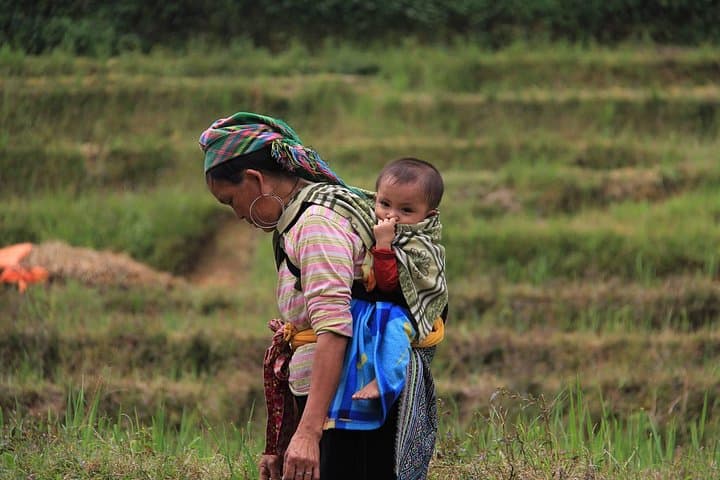
The bus eases down from the high highway and Sapa appears through a low, milky fog—rice terraces step down the valley like layered green benches, and women in indigo and embroidered caps move like bright stitches across the slopes.
The bus eases down from the high highway and Sapa appears through a low, milky fog—rice terraces step down the valley like layered green benches, and women in indigo and embroidered caps move like bright stitches across the slopes.
This three-day trek follows old footpaths between Cat Cat, Y Linh Ho, Lao Chai, Ta Van and Giang Ta Chai, villages where H’Mong, Dao and Giay families continue traditional farming and craftwork. The area sits on the Hoang Lien Son range at roughly 1,600 m elevation; the terraces are carved into steep slopes and fed by small streams and seasonal runoff. French colonial influence left stone houses and an early hydro site at Cat Cat, while the terraces themselves reflect a century of communal labor and irrigation ingenuity.
Expect steady walking rather than technical mountaineering: short paved sections around Sapa town give way to dirt tracks, steep stone steps and bamboo-shaded trail through secondary forest. Day 1’s 3 km descent to Cat Cat and the return to town is gentle but can be slippery when wet; Day 2 covers the photogenic terraces from Y Linh Ho to Lao Chai and Ta Van with longer ridge-to-valley walking; Day 3 drops through bamboo and waterfall country to Giang Ta Chai before returning to town.
Practical edge: pack layered warm clothing and a rain shell, bring local currency in small notes, and use sturdy, grippy footwear. Homestays offer simple beds and family meals—arrive ready to trade stories, not expectations. Aim for early starts to beat afternoon drizzle and to catch the light on the terraces.