THE ADVENTURE COLLECTIVE® · Independent discovery and booking for outdoor travel

Three days of steady walking through Muong Hoa Valley connect Sapa’s highland villages, homestays and cultural experiences. Expect daily 6–8 km treks, homestay meals and close encounters with H'mong and Red Dao traditions.
Three days of steady walking through Muong Hoa Valley connect Sapa’s highland villages, homestays and cultural experiences. Expect daily 6–8 km treks, homestay meals and close encounters with H'mong and Red Dao traditions.
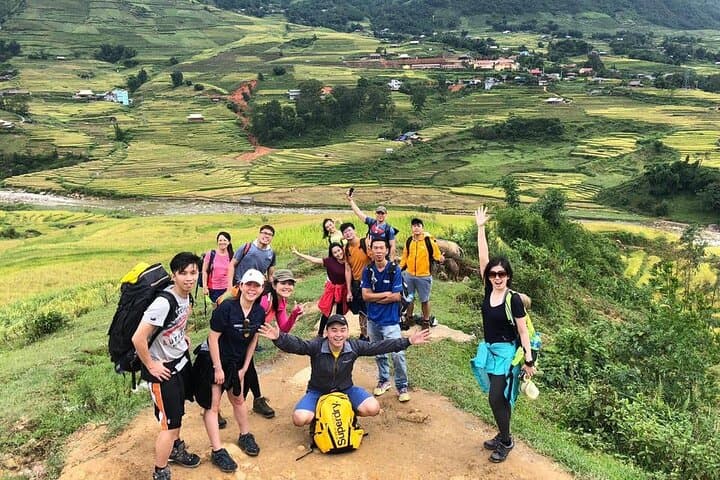
Dawn on the highway feels different when Hanoi slips behind you and the northwest mountains push forward—terraced rice paddies appear like steps cut into the clouds, and the bus drops you at Sapa ready to move on foot.
Verified experiences and guided adventures in the surrounding area.
Operated by Charm Tourist · Sapa, Lao Cai
Dawn on the highway feels different when Hanoi slips behind you and the northwest mountains push forward—terraced rice paddies appear like steps cut into the clouds, and the bus drops you at Sapa ready to move on foot.
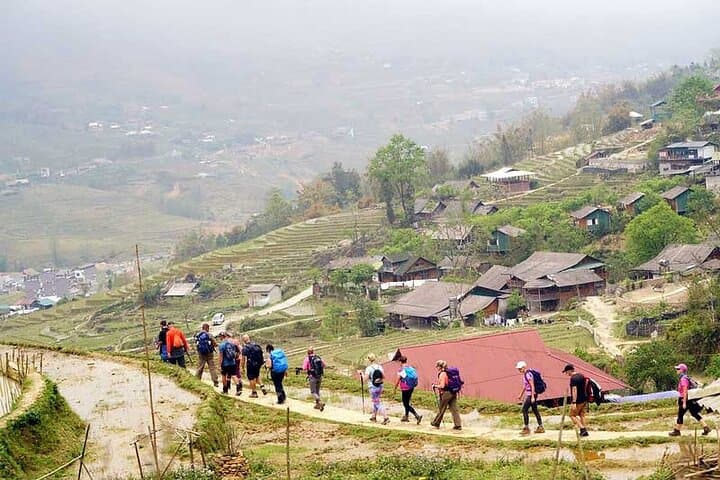
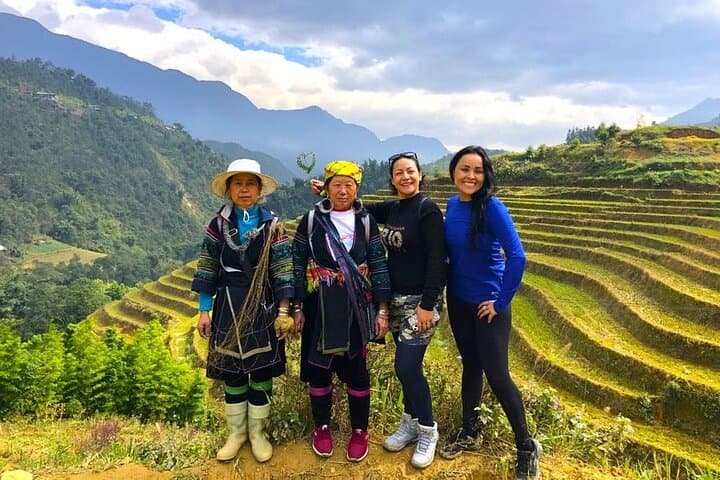
The route threads Muong Hoa Valley into villages where Black H'mong and Red Dao families manage steep fields and small markets. Geological ribs of shale and modest limestone slope into the valley; you’ll cross wooden bridges and a short tunnel to descend into Lao Chai and then Ta Van, settling into a Ta Van homestay and an evening cooking class. Day two follows ridge lines to Giang Ta Chai and Ban Ho—villages known for dyed textiles, intricately embroidered Red Dao garments, and seasonal rice terraces that change from chartreuse to gold.
This trek balances cultural immersion with accessible walking: sections of compact dirt trail, stone steps carved by decades of foot traffic, and occasional slippery stretches after rain. Expect 6–8 km walking segments, modest elevation change, and slow-paced village exploration rather than technical mountaineering.
Practical guidance: wear broken-in hiking shoes with good tread, carry 2–3 liters of water and layered clothing for quick weather shifts, and prepare small bills for village purchases. Respect homestay customs—ask before photographing and accept offerings. The best light for photos and cooler trekking is early morning; afternoons can bring fog and brief showers. Follow your guide’s route to protect trails and local farms—and come ready to walk, learn, and leave a modest footprint.
moderate.
3 days.
Suitable for travelers with a baseline of aerobic fitness—able to walk 6–8 km on uneven ground and manage repeated ascents/descents.
The trek is rated accessible for most travelers with moderate fitness; expect 6–8 km walking days on uneven terrain with some elevation change.
Two nights are at local homestays in Ta Van and Ban Ho, offering simple rooms, shared facilities and home-cooked meals.
Yes, but trails get muddy and visibility can drop—bring waterproof gear and expect slower walking; operators may alter routes for safety.
Yes—the itinerary includes round-trip sleeping-bus transfers between Hanoi and Sapa as stated in the inclusions.
Sapa’s modern identity grew from a French colonial hill station; for centuries the area has been home to H'mong, Red Dao and other ethnic communities shaping terrace agriculture and textile traditions.
Tourism pressures stress trails and water; stick to marked paths, minimize plastic waste, and favor local homestays to support community-based economies.
Charm Tourist operates guided outdoor trips and adventures with an emphasis on safety, stewardship, and memorable experiences.

Dawn on the highway feels different when Hanoi slips behind you and the northwest mountains push forward—terraced rice paddies appear like steps cut into the clouds, and the bus drops you at Sapa ready to move on foot.
Dawn on the highway feels different when Hanoi slips behind you and the northwest mountains push forward—terraced rice paddies appear like steps cut into the clouds, and the bus drops you at Sapa ready to move on foot.
The route threads Muong Hoa Valley into villages where Black H'mong and Red Dao families manage steep fields and small markets. Geological ribs of shale and modest limestone slope into the valley; you’ll cross wooden bridges and a short tunnel to descend into Lao Chai and then Ta Van, settling into a Ta Van homestay and an evening cooking class. Day two follows ridge lines to Giang Ta Chai and Ban Ho—villages known for dyed textiles, intricately embroidered Red Dao garments, and seasonal rice terraces that change from chartreuse to gold.
This trek balances cultural immersion with accessible walking: sections of compact dirt trail, stone steps carved by decades of foot traffic, and occasional slippery stretches after rain. Expect 6–8 km walking segments, modest elevation change, and slow-paced village exploration rather than technical mountaineering.
Practical guidance: wear broken-in hiking shoes with good tread, carry 2–3 liters of water and layered clothing for quick weather shifts, and prepare small bills for village purchases. Respect homestay customs—ask before photographing and accept offerings. The best light for photos and cooler trekking is early morning; afternoons can bring fog and brief showers. Follow your guide’s route to protect trails and local farms—and come ready to walk, learn, and leave a modest footprint.