THE ADVENTURE COLLECTIVE® · Independent discovery and booking for outdoor travel

Head into the cool, terraced valleys of Sapa on a three-day trek from Hanoi. Expect rice terraces, H’Mong and Dzao village visits, and panoramic Ham Rong viewpoints with practical advice for weather and footwear.
Head into the cool, terraced valleys of Sapa on a three-day trek from Hanoi. Expect rice terraces, H’Mong and Dzao village visits, and panoramic Ham Rong viewpoints with practical advice for weather and footwear.
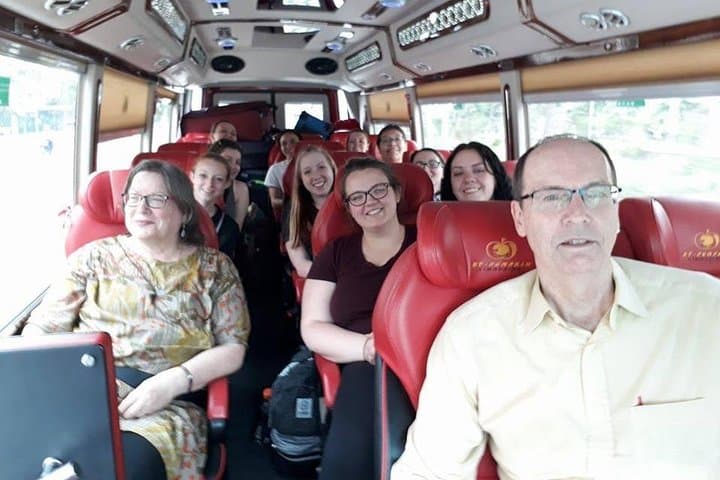
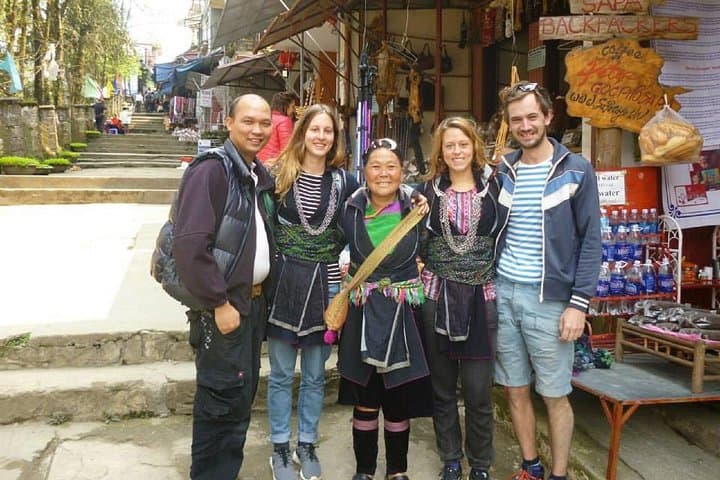
Morning mist clings to the Muong Hoa valley as the limousine bus eases into Sapa: terraced rice slopes step down toward a rushing stream, while women in indigo and embroidered jackets move between houses like threads in a loom.
Verified experiences and guided adventures in the surrounding area.
Operated by Tour Sapa by Bus · Sapa, Lao Cai
Morning mist clings to the Muong Hoa valley as the limousine bus eases into Sapa: terraced rice slopes step down toward a rushing stream, while women in indigo and embroidered jackets move between houses like threads in a loom.
This three-day circuit centers on the Hoang Lien Son foothills—home to Fansipan, Vietnam’s highest peak—and the villages of Cat Cat, Lao Chai, Y Linh Ho and Ta Van. Geologically the range is a rugged fringe of folded limestone and shale shaped by tectonic uplift; culturally it’s been occupied for centuries by H’Mong, Dzao and Dzay communities who farm steep terraces and trade at weekend markets.
Expect close-up village life: stilt houses, hand-woven sash work, and streams that demand careful footing. Treks range from short 2–3 km walks (Cat Cat, Ham Rong) to longer valley routes of ~9 km through stepped paddies and forested gullies. Ham Rong’s “two Heaven Gates” rise through gardens to sweeping viewpoints over Sapa town and the valley.
Practical edge: acclimate to cool, changeable weather—fog and drizzle are common, especially Nov–Mar. Footwear with good tread and ankle support matters more than brand; bring layered warm clothing, rain protection, insect repellent and reusable water. The tour includes hotel stays, guide services and transfers; walking surfaces are mixed—paved village paths, packed earth, stone steps and occasional muddy stretches.
Timing matters: arrive early to avoid fog at lookout points and allow time for short stops at local markets. Respect private homes, ask before photographing people in traditional dress, carry small denominations of VND for market purchases, and pack out what you bring in to protect these fragile terraces.
moderate.
3 days.
Suitable for travelers in regular walking fitness; expect sustained uphill and downhill sections and some uneven terrain.
The tour includes roundtrip limousine bus transfers from central Hanoi; pickup details are provided at booking and typically start early morning.
Daily walks vary: short 2–3 km village routes and a longer 9 km valley trek; terrain is mixed with some steep sections—moderate fitness recommended.
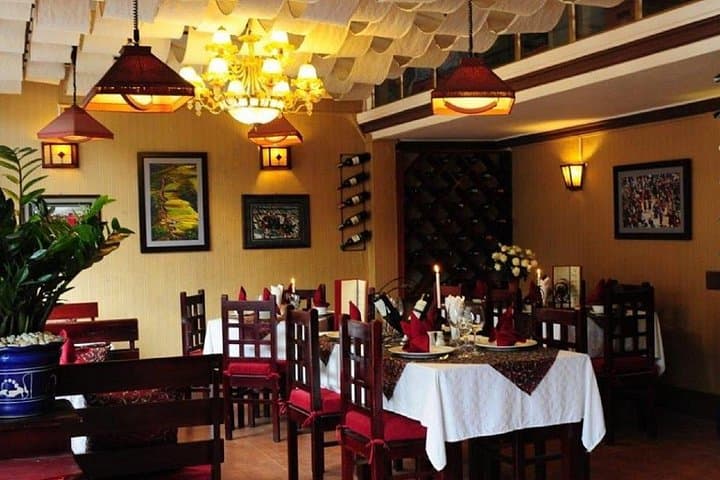
This specific tour includes two nights in a superior hotel in Sapa; homestays are optional on other itineraries and can be more basic.
Sapa sits around 1,500 m (4,900 ft); most travelers experience mild effects like cooler temperatures but significant altitude sickness is uncommon.
Sapa grew as a French hill station in the early 20th century and later became a trading hub where highland ethnic groups converged with lowland markets.
Terraced agriculture is vulnerable to erosion; stay on marked paths, avoid disturbing irrigation channels and minimize plastic use to protect fragile soils and waterways.
Tour Sapa by Bus operates guided outdoor trips and adventures with an emphasis on safety, stewardship, and memorable experiences.

Morning mist clings to the Muong Hoa valley as the limousine bus eases into Sapa: terraced rice slopes step down toward a rushing stream, while women in indigo and embroidered jackets move between houses like threads in a loom.
Morning mist clings to the Muong Hoa valley as the limousine bus eases into Sapa: terraced rice slopes step down toward a rushing stream, while women in indigo and embroidered jackets move between houses like threads in a loom.
This three-day circuit centers on the Hoang Lien Son foothills—home to Fansipan, Vietnam’s highest peak—and the villages of Cat Cat, Lao Chai, Y Linh Ho and Ta Van. Geologically the range is a rugged fringe of folded limestone and shale shaped by tectonic uplift; culturally it’s been occupied for centuries by H’Mong, Dzao and Dzay communities who farm steep terraces and trade at weekend markets.
Expect close-up village life: stilt houses, hand-woven sash work, and streams that demand careful footing. Treks range from short 2–3 km walks (Cat Cat, Ham Rong) to longer valley routes of ~9 km through stepped paddies and forested gullies. Ham Rong’s “two Heaven Gates” rise through gardens to sweeping viewpoints over Sapa town and the valley.
Practical edge: acclimate to cool, changeable weather—fog and drizzle are common, especially Nov–Mar. Footwear with good tread and ankle support matters more than brand; bring layered warm clothing, rain protection, insect repellent and reusable water. The tour includes hotel stays, guide services and transfers; walking surfaces are mixed—paved village paths, packed earth, stone steps and occasional muddy stretches.
Timing matters: arrive early to avoid fog at lookout points and allow time for short stops at local markets. Respect private homes, ask before photographing people in traditional dress, carry small denominations of VND for market purchases, and pack out what you bring in to protect these fragile terraces.