THE ADVENTURE COLLECTIVE® · Independent discovery and booking for outdoor travel

Follow rice terraces and bamboo lanes from Sapa Town into the Muong Hoa Valley for a three-day guided trek with a homestay in Ta Van. Expect village hospitality, short summits, and muddy sections on a route suited to moderately fit hikers.
Follow rice terraces and bamboo lanes from Sapa Town into the Muong Hoa Valley for a three-day guided trek with a homestay in Ta Van. Expect village hospitality, short summits, and muddy sections on a route suited to moderately fit hikers.
Morning fog rolls off the Muong Hoa stream as you step from the bus into Sapa’s highland air—rice terraces fan out like steps carved into the mountain, and a bamboo wind pushes at the grasses as if daring you to follow the path.
Verified experiences and guided adventures in the surrounding area.
Operated by Indochina Today Travel · Sapa, Lao Cai
Morning fog rolls off the Muong Hoa stream as you step from the bus into Sapa’s highland air—rice terraces fan out like steps carved into the mountain, and a bamboo wind pushes at the grasses as if daring you to follow the path.
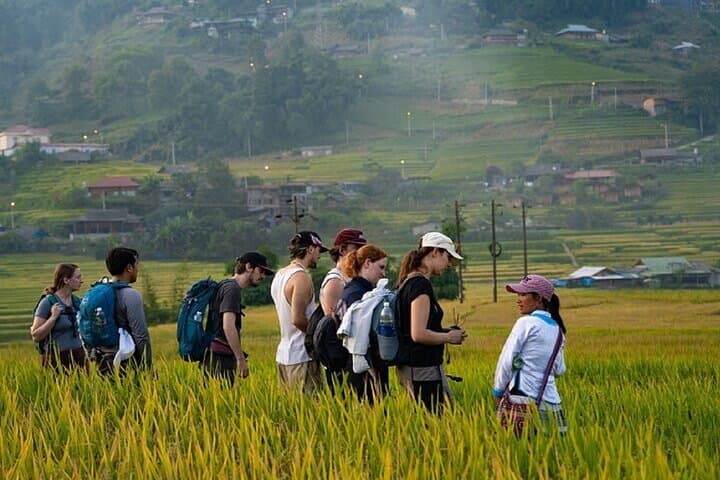
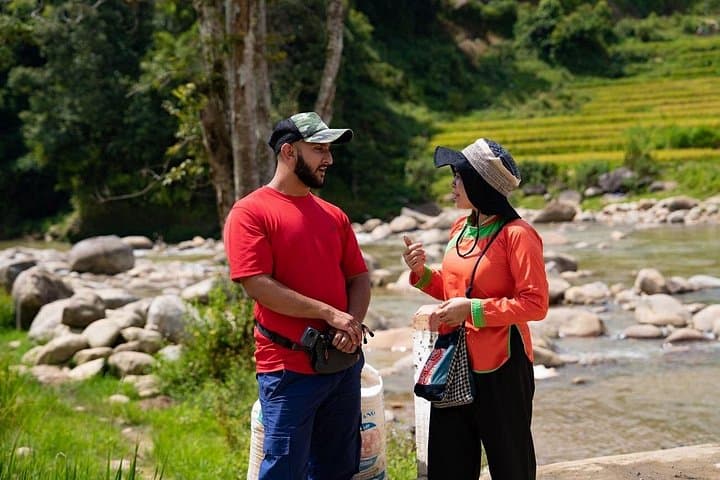
This three-day trek threads together Cat Cat, Lao Chai, Y Linh Ho, Giang Ta Chai and Ta Van village, giving a close view of the Hoang Lien Son slopes below Fansipan Peak. Cat Cat holds a small French-era hydraulic station and a waterfall tucked into a valley; the Muong Hoa gorge channels meltwater and rain down steep, terraced faces. Along the route you meet H’mong, Dzay (Zay) and Red Dzao communities whose embroidered dress and stilt houses reflect centuries of upland lifeways.
Geology here is steep and worked—terraces, streams and rocky outcrops shaped by seasonal water flow and long human stewardship. Culture and agriculture are inseparable: paddies ripple with season, and local homes double as kitchens and social hubs for homestay guests.
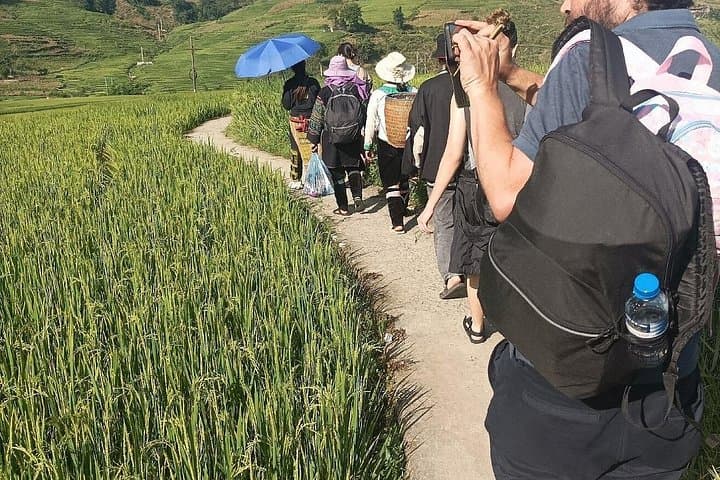
Practically, expect 3–6 hours of walking on days two and three with varied terrain—muddy tracks, stone steps, bamboo lanes and short uphill sections. Guides manage logistics and a homestay night in Ta Van introduces family-style meals and simple bungalow lodging. Pack waterproof layers, sturdy boots and cash for market purchases. Start early to avoid afternoon showers, move at a respectful pace through villages, and bring basic toiletries for the bungalow night. The route is accessible to most hikers with moderate fitness and rewards steady walkers with close cultural encounters and expansive valley views.
moderate.
3 days.
Suitable for moderately fit travelers who can walk 4–6 hours across uneven terrain and short steep sections on consecutive days
The itinerary is rated moderate: expect 3–6 hours walking on the longer day with some uphill/uneven terrain, but trails are manageable for most hikers with basic fitness.
One night is in a bungalow/homestay with simple amenities and shared bathrooms; other nights are in local hotels or bungalows with basic comfort and A/C in some properties.
Yes—roundtrip transfers from Hanoi Old Quarter are included, typically by air-conditioned bus with scheduled rest stops en route to Sapa.
You should carry ID/passport as requested during booking; visa requirements depend on your nationality—check Vietnam entry rules well before travel.
Sapa developed as a hill station during French colonial times; traces like the old hydraulic station at Cat Cat reflect early 20th-century infrastructure and tourism history.
Trail erosion and waste are growing issues—travelers should stick to paths, avoid single-use plastics, and support homestays and local guides to direct tourism benefits to communities.
Indochina Today Travel operates guided outdoor trips and adventures with an emphasis on safety, stewardship, and memorable experiences.
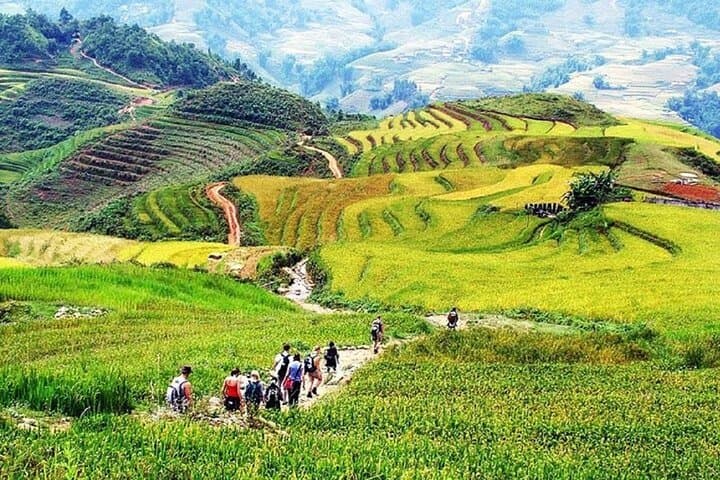
Morning fog rolls off the Muong Hoa stream as you step from the bus into Sapa’s highland air—rice terraces fan out like steps carved into the mountain, and a bamboo wind pushes at the grasses as if daring you to follow the path.
Morning fog rolls off the Muong Hoa stream as you step from the bus into Sapa’s highland air—rice terraces fan out like steps carved into the mountain, and a bamboo wind pushes at the grasses as if daring you to follow the path.
This three-day trek threads together Cat Cat, Lao Chai, Y Linh Ho, Giang Ta Chai and Ta Van village, giving a close view of the Hoang Lien Son slopes below Fansipan Peak. Cat Cat holds a small French-era hydraulic station and a waterfall tucked into a valley; the Muong Hoa gorge channels meltwater and rain down steep, terraced faces. Along the route you meet H’mong, Dzay (Zay) and Red Dzao communities whose embroidered dress and stilt houses reflect centuries of upland lifeways.
Geology here is steep and worked—terraces, streams and rocky outcrops shaped by seasonal water flow and long human stewardship. Culture and agriculture are inseparable: paddies ripple with season, and local homes double as kitchens and social hubs for homestay guests.
Practically, expect 3–6 hours of walking on days two and three with varied terrain—muddy tracks, stone steps, bamboo lanes and short uphill sections. Guides manage logistics and a homestay night in Ta Van introduces family-style meals and simple bungalow lodging. Pack waterproof layers, sturdy boots and cash for market purchases. Start early to avoid afternoon showers, move at a respectful pace through villages, and bring basic toiletries for the bungalow night. The route is accessible to most hikers with moderate fitness and rewards steady walkers with close cultural encounters and expansive valley views.