THE ADVENTURE COLLECTIVE® · Independent discovery and booking for outdoor travel

Three days tracking the Ewaso Nyiro through Samburu National Reserve offers focused sightings of endemic species like the oryx and Grevy’s zebra. This private, all-inclusive safari pairs early-morning and late-afternoon game drives with lodge stays along the river.
Three days tracking the Ewaso Nyiro through Samburu National Reserve offers focused sightings of endemic species like the oryx and Grevy’s zebra. This private, all-inclusive safari pairs early-morning and late-afternoon game drives with lodge stays along the river.
The morning light in Samburu cuts across ochre plains and the Ewaso Nyiro river runs like a deliberate line through the reserve, daring you to keep up. Vehicles crawl along tracks, dust lifting in slow, honeyed plumes as guides scan riverine acacia and riverbanks for silhouettes — a reticulated giraffe stretching toward thorn, a male oryx standing like a punctuation mark.
Verified experiences and guided adventures in the surrounding area.
Operated by Muringa Kenya Tours & Safaris Ltd · Archer's Post, Isiolo County
The morning light in Samburu cuts across ochre plains and the Ewaso Nyiro river runs like a deliberate line through the reserve, daring you to keep up. Vehicles crawl along tracks, dust lifting in slow, honeyed plumes as guides scan riverine acacia and riverbanks for silhouettes — a reticulated giraffe stretching toward thorn, a male oryx standing like a punctuation mark.
Samburu sits on the northern edge of Kenya’s arid belt; geology here is defined by ancient volcanic highlands falling into riverine valleys. The region’s cultural fabric is carried by pastoralist Samburu communities whose livelihoods still follow seasonal water and grazing cycles. Colonial-era expeditions opened the area to conservation, and today small lodges and camps cluster near the river where wildlife concentrates.
A three-day private safari follows the Ewaso Nyiro’s course: morning and late-afternoon drives when predators and prey are most active, and relaxed mid-day breaks at camp. Expect long but rewarding vehicle hours, close-but-respectful wildlife viewing, and photo opportunities of species unique to northern Kenya — Grevy’s zebra, Somali ostrich and the lanky gerenuk.
Practical guidance: pack breathable layers for hot days and cool early mornings, a good pair of binoculars, sunscreen and an insect repellent. Comfortable, closed-toe shoes and a hat make game drives easier. Drivers cover dirt roads; motion sensitivity and ability to climb in and out of a 4x4 repeatedly are useful. Accommodations are lodge-based (Sopa/Sentrim-style) with meals included. Bring extra camera batteries and a reusable water bottle — the river draws wildlife, and your best sightings will come when patience meets timing.
easy.
3 days.
Suitable for travelers in general good health; requires tolerance for multiple hours in a vehicle and short walks at sighting stops.
Consult your doctor for recommended vaccinations (e.g., yellow fever, typhoid) and malaria prophylaxis based on current health advisories for northern Kenya.
Samburu is roughly a 5–6 hour drive from Nairobi depending on stops; many tours include pickup and drop-off at Nairobi hotels or the airport.
Yes—private safaris accommodate families, but long drives and dust may be challenging; check age policies with your operator and bring motion-sickness remedies if needed.
This tour uses lodge-style accommodations (e.g., Samburu Sopa or Sentrim), with meals included; rooms vary from standard lodge rooms to elevated tented options depending on booking.
Samburu’s protected areas were established in the 20th century to conserve species of northern Kenya and to protect pastoralist grazing lands from unregulated settlement.
Human-wildlife coexistence and watershed protection are central issues; support local guides and lodges that engage communities and follow park guidelines to minimize impact.
Muringa Kenya Tours & Safaris Ltd operates guided outdoor trips and adventures with an emphasis on safety, stewardship, and memorable experiences.
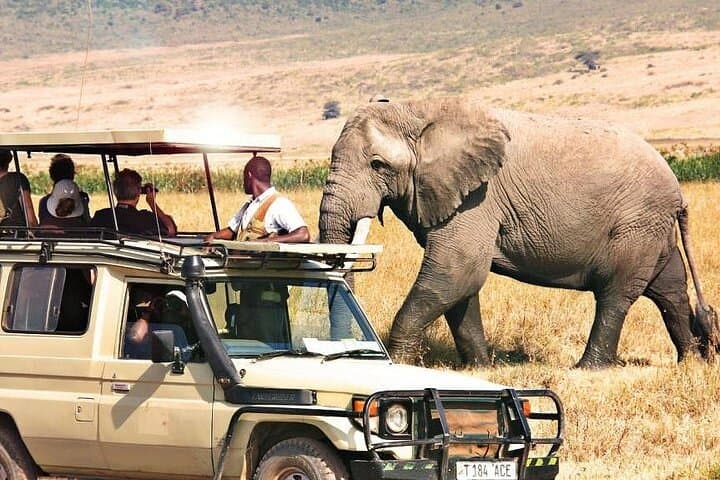
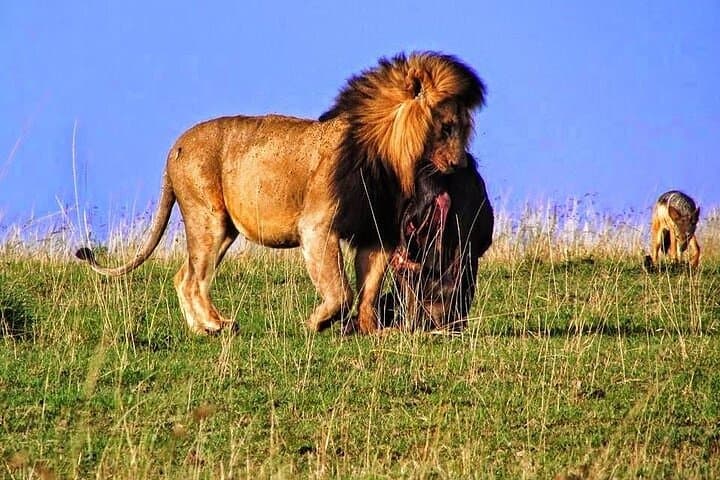
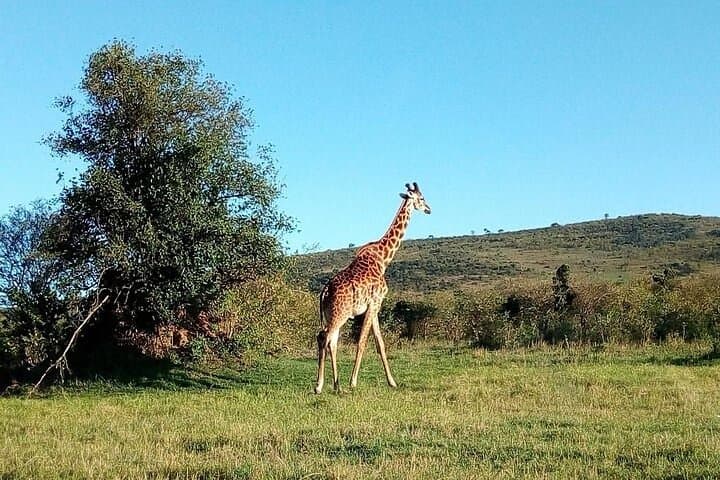
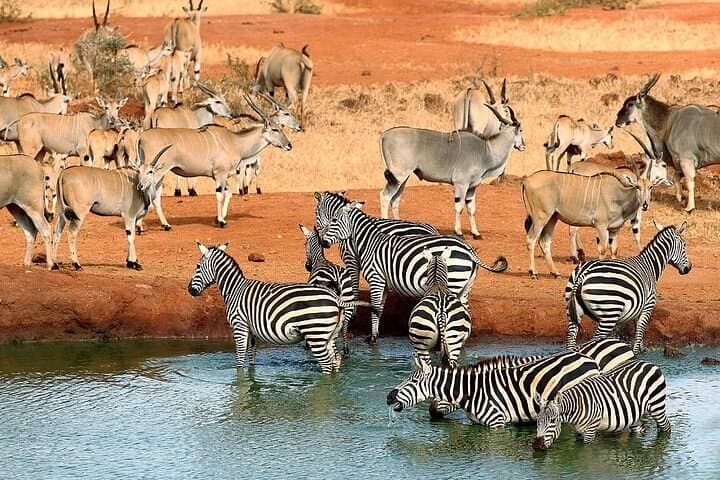
The morning light in Samburu cuts across ochre plains and the Ewaso Nyiro river runs like a deliberate line through the reserve, daring you to keep up. Vehicles crawl along tracks, dust lifting in slow, honeyed plumes as guides scan riverine acacia and riverbanks for silhouettes — a reticulated giraffe stretching toward thorn, a male oryx standing like a punctuation mark.
The morning light in Samburu cuts across ochre plains and the Ewaso Nyiro river runs like a deliberate line through the reserve, daring you to keep up. Vehicles crawl along tracks, dust lifting in slow, honeyed plumes as guides scan riverine acacia and riverbanks for silhouettes — a reticulated giraffe stretching toward thorn, a male oryx standing like a punctuation mark.
Samburu sits on the northern edge of Kenya’s arid belt; geology here is defined by ancient volcanic highlands falling into riverine valleys. The region’s cultural fabric is carried by pastoralist Samburu communities whose livelihoods still follow seasonal water and grazing cycles. Colonial-era expeditions opened the area to conservation, and today small lodges and camps cluster near the river where wildlife concentrates.
A three-day private safari follows the Ewaso Nyiro’s course: morning and late-afternoon drives when predators and prey are most active, and relaxed mid-day breaks at camp. Expect long but rewarding vehicle hours, close-but-respectful wildlife viewing, and photo opportunities of species unique to northern Kenya — Grevy’s zebra, Somali ostrich and the lanky gerenuk.
Practical guidance: pack breathable layers for hot days and cool early mornings, a good pair of binoculars, sunscreen and an insect repellent. Comfortable, closed-toe shoes and a hat make game drives easier. Drivers cover dirt roads; motion sensitivity and ability to climb in and out of a 4x4 repeatedly are useful. Accommodations are lodge-based (Sopa/Sentrim-style) with meals included. Bring extra camera batteries and a reusable water bottle — the river draws wildlife, and your best sightings will come when patience meets timing.