THE ADVENTURE COLLECTIVE® · Independent discovery and booking for outdoor travel

Three days of private game drives from Nairobi into Samburu put you close to rare species, river banks and open arid plains. Expect early starts, scenic lodge stays and focused wildlife viewing of the reserve’s iconic “Special Five.”
Three days of private game drives from Nairobi into Samburu put you close to rare species, river banks and open arid plains. Expect early starts, scenic lodge stays and focused wildlife viewing of the reserve’s iconic “Special Five.”
A low, dry wind carries dust across red earth as the convoy leaves Nairobi before dawn, crossing the equator and pushing into Kenya’s arid north. By late afternoon the escarpments of Ol Olokwe rise like a folded wall above the Ewaso Ng'iro; elephants and giraffes converge along the river and the landscape suddenly feels older and louder.
Verified experiences and guided adventures in the surrounding area.
Operated by Rustic Nature Tours · Archer's Post, Samburu County
A low, dry wind carries dust across red earth as the convoy leaves Nairobi before dawn, crossing the equator and pushing into Kenya’s arid north. By late afternoon the escarpments of Ol Olokwe rise like a folded wall above the Ewaso Ng'iro; elephants and giraffes converge along the river and the landscape suddenly feels older and louder.
Samburu National Reserve formed mid‑20th century to protect the unique riverine habitats of northern Kenya. Geologically, the area is a patchwork of volcanic ridges, alluvial plains and the shallow braided channels of the Ewaso Ng'iro that create the green corridors animals follow in dry months. The reserve is home to the “Special Five” — Beisa oryx, reticulated giraffe, Somali ostrich, Grevy’s zebra and gerenuk — and the region’s pastoral Samburu people keep a visible cultural presence in nearby villages.
On a three‑day private safari travelers can expect early morning and late afternoon game drives with long mid‑day respites at lodge camps. Drives take place on graded 4x4 tracks across sparse acacia scrub, so wildlife spotting is often easier than in dense bush. Practical tips: pack binoculars and layered clothing for chilly mornings, carry water and sun protection, and plan for dusty roads and slow stretches between points of interest.
This itinerary balances comfortable lodge stays with immersive field time—ideal for photographers and first‑time safari goers who want close wildlife encounters without the pace of a long overland trek.
easy.
3 days.
Suitable for travelers comfortable with multiple short drives and getting in/out of 4x4 vehicles; little physical exertion required.
Most itineraries include road transfer: expect a 5–6 hour drive each way on mostly paved and some graded roads; private transfers are arranged by the operator.
Yes—lodges and camps listed (Ashnil, Sarova Shaba, Samburu Sopa, etc.) provide full board with private rooms, en suite facilities and game-viewing terraces.
Yellow fever vaccine may be required depending on travel history; consult a travel clinic for malaria prophylaxis and routine vaccinations before travel.
Children can join but may need to sit on laps in some vehicles; operators note wheelchair accessibility for certain accommodations and vehicles—confirm specifics before booking.
Samburu Reserve was established in the mid‑20th century to protect northern Kenya’s unique river habitats and the wildlife reliant on them.
Community conservancies and water management are central—visit operators who support local projects and avoid disturbing watering holes, especially in dry seasons.
Rustic Nature Tours operates guided outdoor trips and adventures with an emphasis on safety, stewardship, and memorable experiences.
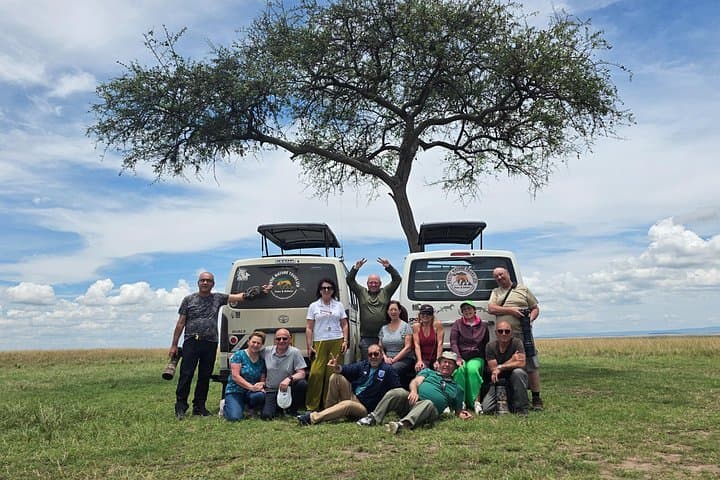
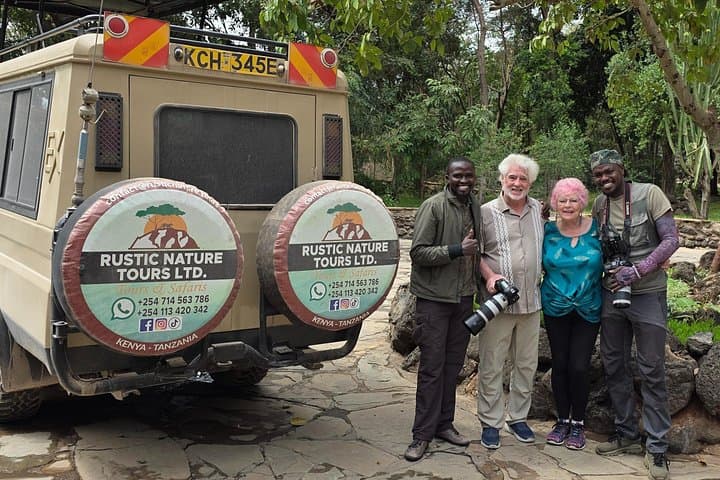
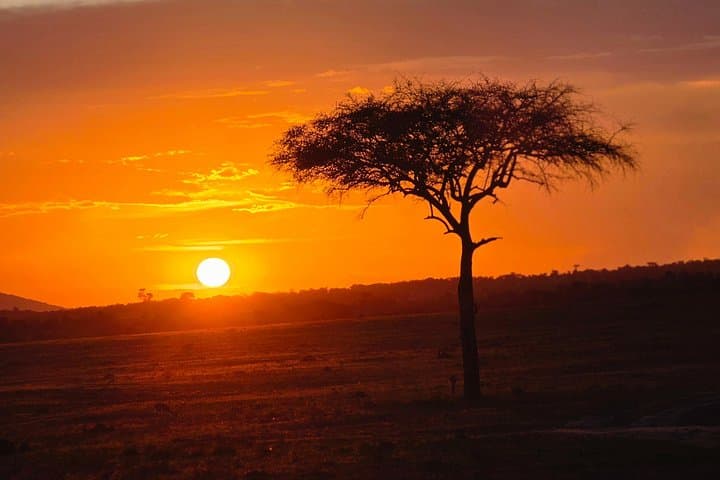
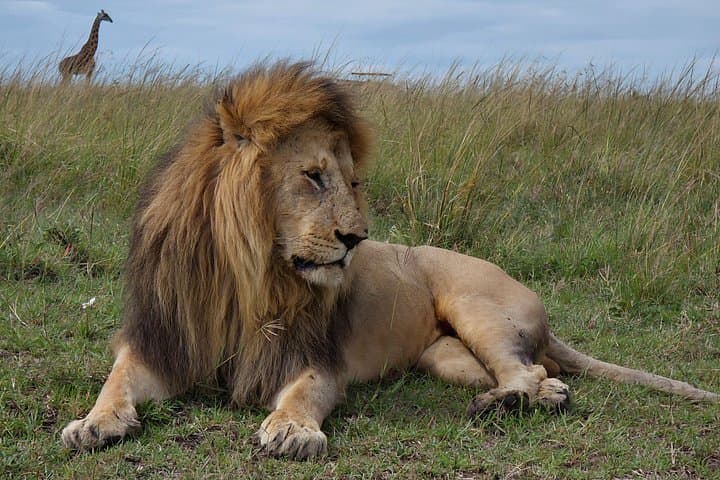
A low, dry wind carries dust across red earth as the convoy leaves Nairobi before dawn, crossing the equator and pushing into Kenya’s arid north. By late afternoon the escarpments of Ol Olokwe rise like a folded wall above the Ewaso Ng'iro; elephants and giraffes converge along the river and the landscape suddenly feels older and louder.
A low, dry wind carries dust across red earth as the convoy leaves Nairobi before dawn, crossing the equator and pushing into Kenya’s arid north. By late afternoon the escarpments of Ol Olokwe rise like a folded wall above the Ewaso Ng'iro; elephants and giraffes converge along the river and the landscape suddenly feels older and louder.
Samburu National Reserve formed mid‑20th century to protect the unique riverine habitats of northern Kenya. Geologically, the area is a patchwork of volcanic ridges, alluvial plains and the shallow braided channels of the Ewaso Ng'iro that create the green corridors animals follow in dry months. The reserve is home to the “Special Five” — Beisa oryx, reticulated giraffe, Somali ostrich, Grevy’s zebra and gerenuk — and the region’s pastoral Samburu people keep a visible cultural presence in nearby villages.
On a three‑day private safari travelers can expect early morning and late afternoon game drives with long mid‑day respites at lodge camps. Drives take place on graded 4x4 tracks across sparse acacia scrub, so wildlife spotting is often easier than in dense bush. Practical tips: pack binoculars and layered clothing for chilly mornings, carry water and sun protection, and plan for dusty roads and slow stretches between points of interest.
This itinerary balances comfortable lodge stays with immersive field time—ideal for photographers and first‑time safari goers who want close wildlife encounters without the pace of a long overland trek.