THE ADVENTURE COLLECTIVE® · Independent discovery and booking for outdoor travel

Spend three days tracking Samburu’s northern specialists—Grevy zebra, reticulated giraffe and elephant—along the Ewaso Nyiro River. This practical guide outlines what to expect on a multi-day game-drive safari inside Samburu National Reserve, with packing tips and local insights.
Spend three days tracking Samburu’s northern specialists—Grevy zebra, reticulated giraffe and elephant—along the Ewaso Nyiro River. This practical guide outlines what to expect on a multi-day game-drive safari inside Samburu National Reserve, with packing tips and local insights.
A dusty dawn light stretches across the dry plains as your safari vehicle bumps toward the Ewaso Nyiro River. Olive-green acacias and thorn scrub slide past; the river dares you to watch for life where thirsty elephants and herds of reticulated giraffe converge. Early drives in Samburu favor the soft hours, when species unique to northern Kenya—Grevy zebra, gerenuk and Beisa oryx—move between riverine thickets and sunlit ridges.
Verified experiences and guided adventures in the surrounding area.
Operated by Matta African Luxury Safari · Archers Post, Samburu County
A dusty dawn light stretches across the dry plains as your safari vehicle bumps toward the Ewaso Nyiro River. Olive-green acacias and thorn scrub slide past; the river dares you to watch for life where thirsty elephants and herds of reticulated giraffe converge. Early drives in Samburu favor the soft hours, when species unique to northern Kenya—Grevy zebra, gerenuk and Beisa oryx—move between riverine thickets and sunlit ridges.
Samburu National Reserve sits on the northern Rift Valley’s arid edge, carved by seasons of river flow and ancient volcanic soils. The park’s geology—stony plains, river terraces and erosional gullies—creates habitat for birds of conservation concern like the Taita falcon. Culturally, the reserve borders Samburu settlements; pastoralist life is visible in camel caravans and salt-lick camps, a reminder that wildlife shares a landscape shaped by people.
Over three days expect twice-daily game drives, sundowner stops and lodging inside the reserve (itinerary commonly includes Samburu Sopa Lodge). Guides read spoor and sky; drives can reveal wild dogs, elephant herds, and dense birdlife. Temperatures climb by midday; mornings and late afternoons are most productive for sightings.
Practical guidance: carry binoculars, sun protection and a refillable water bottle; vehicles are open-sided so layered clothing helps with early chill and midday heat. Respect local communities—ask before photographing people—and follow guide instructions to minimize disturbance. Book park fees in advance where required and schedule morning drives for the best chance at northern-specialist sightings.
easy.
3 days.
Minimal fitness required; able to climb in and out of safari vehicle and handle uneven lodge paths
Consult your doctor for recommended vaccinations and malaria prophylaxis for northern Kenya; preventative measures depend on your itinerary and health history.
By road it’s roughly 320–360 km (6–7+ hours); many visitors fly into a local airstrip to save time—your booking should note transfer options.
Yes—safaris are generally family-friendly but check vehicle comfort and lodge facilities; inform operators of mobility needs so they can assist.
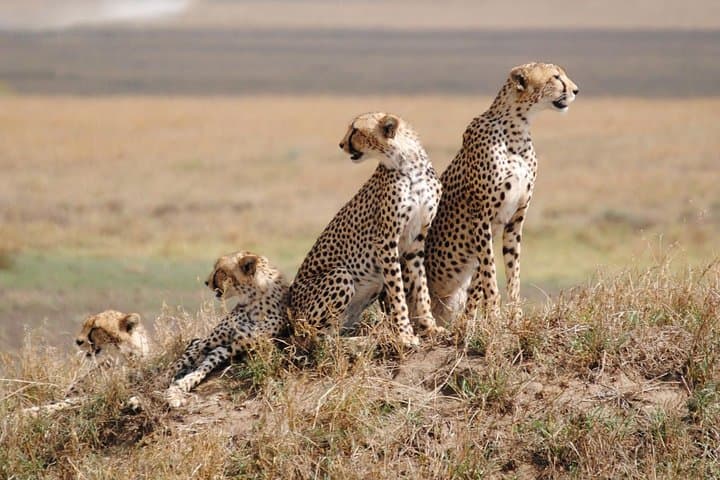
Look for northern specialists like Grevy zebra, reticulated giraffe, gerenuk and Beisa oryx, plus abundant elephants and split-toed riverine species.
The reserve was established to protect northern-specialist species along the Ewaso Nyiro corridor and has long been a focal point for conservation of arid-country fauna.
Samburu works with community conservancies and anti-poaching efforts; minimizing noise, staying on designated tracks and supporting local guides reduces impact.
Matta African Luxury Safari operates guided outdoor trips and adventures with an emphasis on safety, stewardship, and memorable experiences.
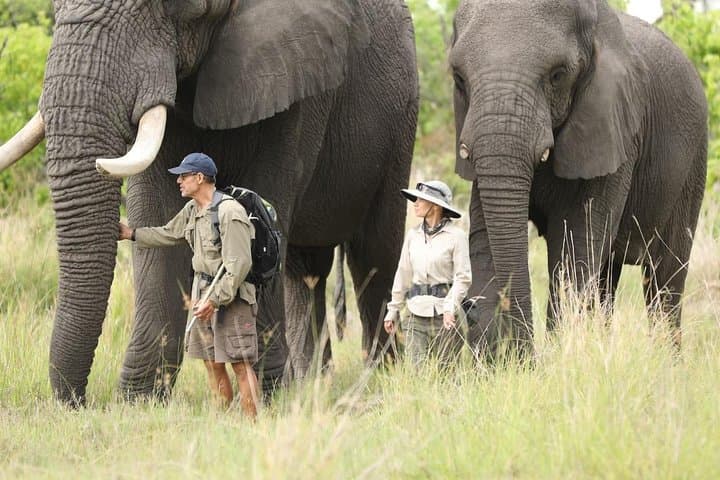


A dusty dawn light stretches across the dry plains as your safari vehicle bumps toward the Ewaso Nyiro River. Olive-green acacias and thorn scrub slide past; the river dares you to watch for life where thirsty elephants and herds of reticulated giraffe converge. Early drives in Samburu favor the soft hours, when species unique to northern Kenya—Grevy zebra, gerenuk and Beisa oryx—move between riverine thickets and sunlit ridges.
A dusty dawn light stretches across the dry plains as your safari vehicle bumps toward the Ewaso Nyiro River. Olive-green acacias and thorn scrub slide past; the river dares you to watch for life where thirsty elephants and herds of reticulated giraffe converge. Early drives in Samburu favor the soft hours, when species unique to northern Kenya—Grevy zebra, gerenuk and Beisa oryx—move between riverine thickets and sunlit ridges.
Samburu National Reserve sits on the northern Rift Valley’s arid edge, carved by seasons of river flow and ancient volcanic soils. The park’s geology—stony plains, river terraces and erosional gullies—creates habitat for birds of conservation concern like the Taita falcon. Culturally, the reserve borders Samburu settlements; pastoralist life is visible in camel caravans and salt-lick camps, a reminder that wildlife shares a landscape shaped by people.
Over three days expect twice-daily game drives, sundowner stops and lodging inside the reserve (itinerary commonly includes Samburu Sopa Lodge). Guides read spoor and sky; drives can reveal wild dogs, elephant herds, and dense birdlife. Temperatures climb by midday; mornings and late afternoons are most productive for sightings.
Practical guidance: carry binoculars, sun protection and a refillable water bottle; vehicles are open-sided so layered clothing helps with early chill and midday heat. Respect local communities—ask before photographing people—and follow guide instructions to minimize disturbance. Book park fees in advance where required and schedule morning drives for the best chance at northern-specialist sightings.