THE ADVENTURE COLLECTIVE® · Independent discovery and booking for outdoor travel

Three days on a private catamaran explore Samana’s hidden beaches, Los Haitises National Park, Taíno caves, and coastal villages. Expect seaside camping, calm bays, and guided beach stops with local meals and music.
Three days on a private catamaran explore Samana’s hidden beaches, Los Haitises National Park, Taíno caves, and coastal villages. Expect seaside camping, calm bays, and guided beach stops with local meals and music.
You step off the pier as the catamaran yawls free and the peninsula slides into motion — cliffs, white sand, and a scatter of mangrove islands lining the turquoise mouth of the bay.
Verified experiences and guided adventures in the surrounding area.
Operated by Cafetours · Samaná, Samaná Province
You step off the pier as the catamaran yawls free and the peninsula slides into motion — cliffs, white sand, and a scatter of mangrove islands lining the turquoise mouth of the bay.
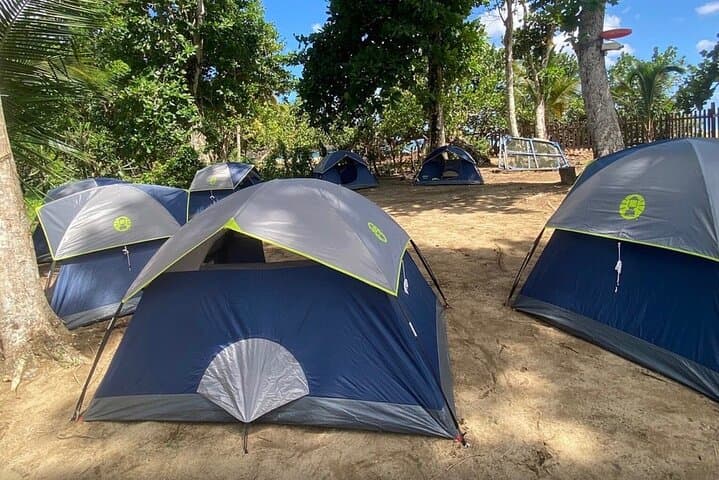
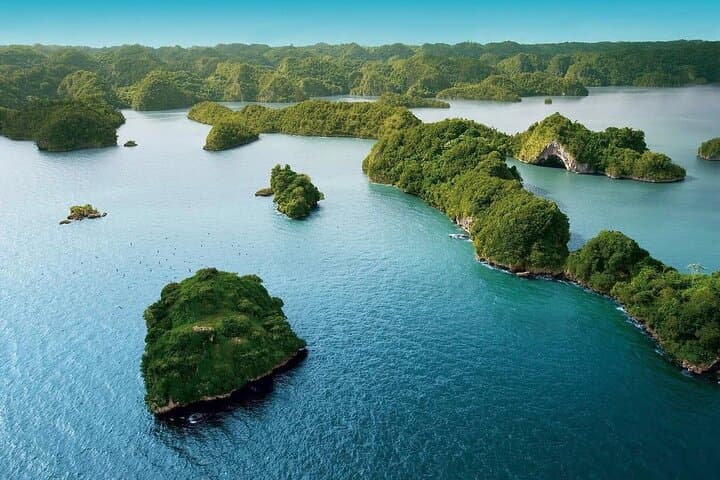
Over three days the boat alternates between wind-driven crossings and quiet beach drops: a night under the stars at The Valley campsite, a slow sail into Los Haitises’ mangrove fingers, and a final cruise past bird-covered islets and Taíno caves. Geology here is limestone and karst: low mogotes rise from the sea, caves puncture their faces and rivers thread through mangrove forests. The land bears traces of Taíno occupation — petroglyphs tucked inside sea caves — and later became a corridor for colonial-era trade and fishing communities.
Culturally, you’ll hear merengue and bachata in beachside kitchens and taste lobster grilled over open flame. Nature asserts itself: waves challenge the bow, mangroves cradle hatchlings, and on winter mornings migrating humpbacks may punctuate the silence.
Practical guidance: plan light luggage in waterproof bags, carry reef-safe sunscreen and a day pack for shoreline hikes, and expect simple campsite amenities the first night and basic guesthouse lodging the second. Seas can be calm or choppy — bring motion-sickness remedies if you’re prone; swims and short walks on sand and uneven rock are part of the program. Book during the dry season (Dec–Apr) for the most predictable weather and whale-watching. The trip is ideal for families and small private groups seeking a mix of sailing, snorkeling, cultural encounters, and easy overnight camping.
moderate.
3 days.
Good general fitness for short beach hikes, boardings, and one overnight campsite; able to climb small ladders and walk on sand and rock.
Basic swimming ability is recommended for confidence during snorkeling and beach entries, but guided stops are shallow and crew assist with water access.
The operator lists wheelchair‑accessible options for some areas and transport, but shore landings and campsite terrain are not suitable for standard wheelchairs — discuss needs at booking.
Meals listed include breakfasts and several lunches/dinners featuring local seafood; special diets should be requested in advance.
Humpback whale season in Samaná is strongest from mid‑January through March; booking in the dry season increases your chances.
The karst caves of Los Haitises hold Taíno petroglyphs and were important habitation sites before European contact.
Los Haitises is a protected national park with fragile mangrove ecosystems; avoid disturbing bird colonies, don’t remove shells or artifacts, and minimize single‑use plastics.
Cafetours operates guided outdoor trips and adventures with an emphasis on safety, stewardship, and memorable experiences.
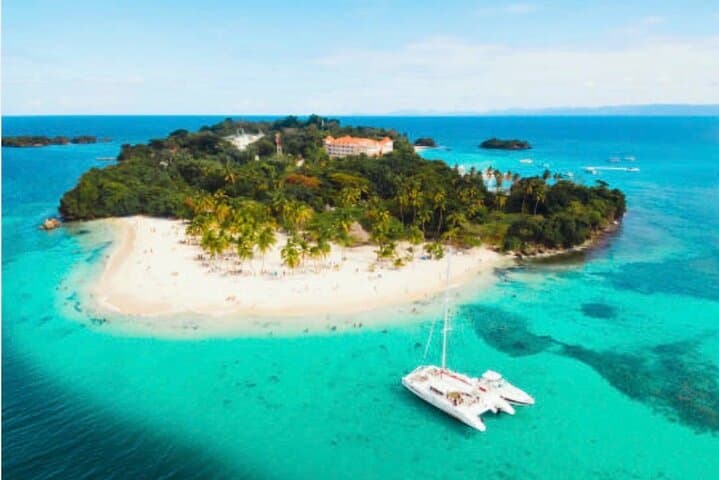
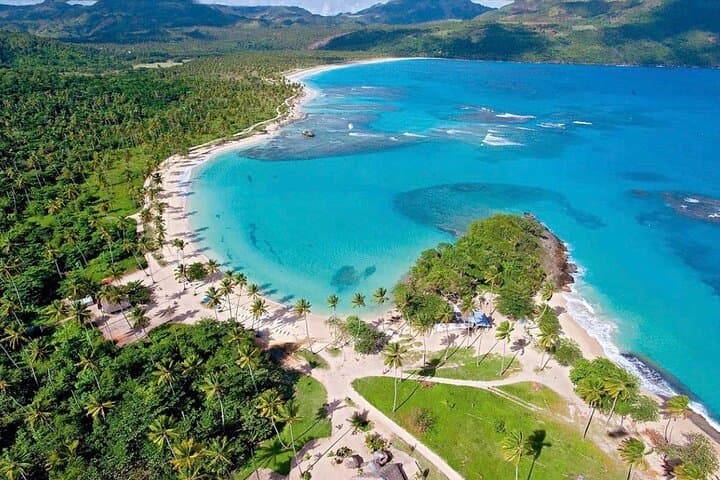
You step off the pier as the catamaran yawls free and the peninsula slides into motion — cliffs, white sand, and a scatter of mangrove islands lining the turquoise mouth of the bay.
You step off the pier as the catamaran yawls free and the peninsula slides into motion — cliffs, white sand, and a scatter of mangrove islands lining the turquoise mouth of the bay.
Over three days the boat alternates between wind-driven crossings and quiet beach drops: a night under the stars at The Valley campsite, a slow sail into Los Haitises’ mangrove fingers, and a final cruise past bird-covered islets and Taíno caves. Geology here is limestone and karst: low mogotes rise from the sea, caves puncture their faces and rivers thread through mangrove forests. The land bears traces of Taíno occupation — petroglyphs tucked inside sea caves — and later became a corridor for colonial-era trade and fishing communities.
Culturally, you’ll hear merengue and bachata in beachside kitchens and taste lobster grilled over open flame. Nature asserts itself: waves challenge the bow, mangroves cradle hatchlings, and on winter mornings migrating humpbacks may punctuate the silence.
Practical guidance: plan light luggage in waterproof bags, carry reef-safe sunscreen and a day pack for shoreline hikes, and expect simple campsite amenities the first night and basic guesthouse lodging the second. Seas can be calm or choppy — bring motion-sickness remedies if you’re prone; swims and short walks on sand and uneven rock are part of the program. Book during the dry season (Dec–Apr) for the most predictable weather and whale-watching. The trip is ideal for families and small private groups seeking a mix of sailing, snorkeling, cultural encounters, and easy overnight camping.