THE ADVENTURE COLLECTIVE® · Independent discovery and booking for outdoor travel

A compact 3-day loop from Salta that threads dramatic red canyons, high-altitude puna, Andean columnar cacti and the blinding white of Salinas Grandes. Expect wine tastings in Cafayate, colonial Cachi, and wide-open photographic opportunities.
A compact 3-day loop from Salta that threads dramatic red canyons, high-altitude puna, Andean columnar cacti and the blinding white of Salinas Grandes. Expect wine tastings in Cafayate, colonial Cachi, and wide-open photographic opportunities.
You step out of the van in the thinning air of northern Argentina and the landscape takes charge: red-banded canyons that have been carved by wind and water, vineyards in sunlit pockets, and a white horizon that dares you to walk across it. The first day follows Ruta Nacional 68 through the Quebrada de las Conchas — rock formations like an amphitheater and a Devil's Throat cut into the canyon wall — before you reach Cafayate, where Torrontés aromas mingle with dusty adobe streets.
Verified experiences and guided adventures in the surrounding area.
Operated by La Quebrada Turismo · Salta, Salta
You step out of the van in the thinning air of northern Argentina and the landscape takes charge: red-banded canyons that have been carved by wind and water, vineyards in sunlit pockets, and a white horizon that dares you to walk across it. The first day follows Ruta Nacional 68 through the Quebrada de las Conchas — rock formations like an amphitheater and a Devil's Throat cut into the canyon wall — before you reach Cafayate, where Torrontés aromas mingle with dusty adobe streets.
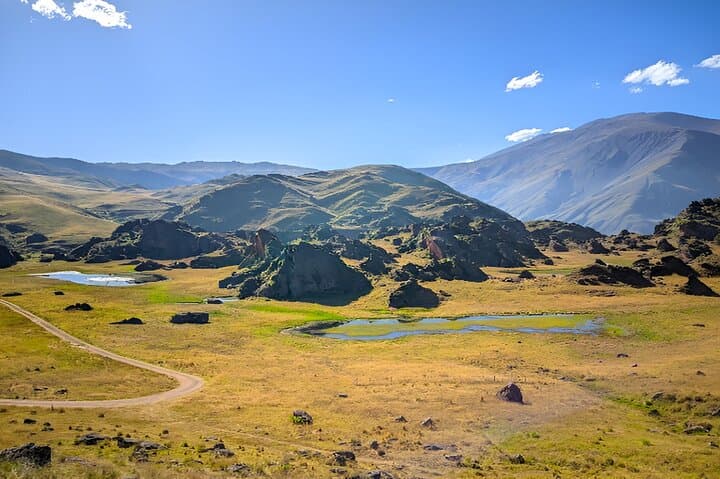
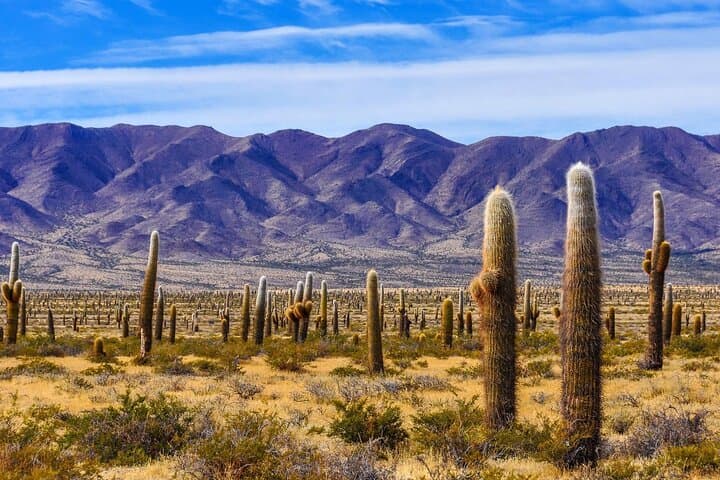
On day two the road climbs. The Cuesta del Obispo and the Valle Encantado push you toward 3,400 m at Piedra del Molino; the terrain shifts to high puna and the columnar cacti of Los Cardones National Park become the region’s watchful hosts. Cachi is a compact colonial town: cobbled blocks, low whitewashed houses and a quiet main square where mountain light is sharp enough to make details sing.
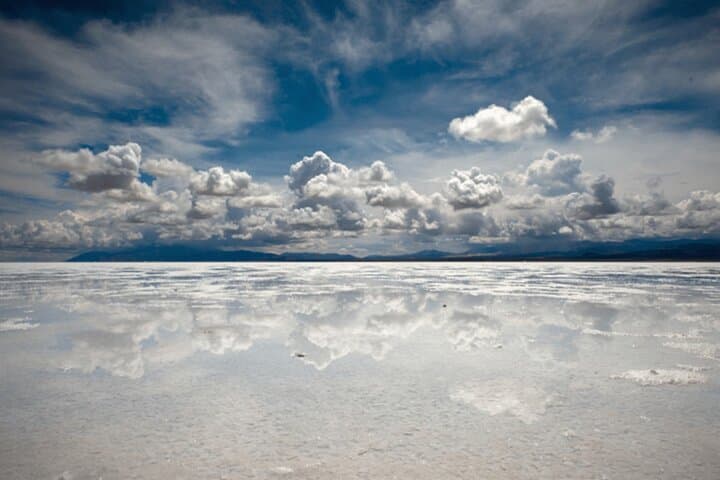
The final day crosses provincial lines into Jujuy, via Purmamarca and the Cuesta de Lipán, to the Salinas Grandes. The salt flat stretches bright and flat — a stark counterpoint to the sculpted rocks and vineyards — ideal for scale-bending photos and quiet observation.
Practical notes: expect altitude, bring layers and sun protection, and allow time for unpaved viewpoints and short walks. The route combines geology, colonial-era settlement patterns and viticulture; local markets in Purmamarca and Cafayate offer artisan ceramics and regional wines. Travel responsibly on fragile puna soils and avoid driving on the salt crust.
moderate.
3 days.
Suitable for travelers in average physical condition; most activity is short walks and getting on/off the vehicle but expect altitude effects.
Expect several hours of driving daily between stops—the itinerary balances long scenic road sections with 1–2 hour breaks in towns and viewpoints.
Entrance fees and a winery tasting are included; most lunches and dinners are not included so plan for cash or card in larger towns.
Yes—some sections reach over 4,000 m near Cuesta de Lipán; acclimatize in Salta, drink water and inform the guide if you feel unwell.
Yes—guides make regular technical stops for bathrooms and snacks, but facilities are basic outside major towns.
The route crosses landscapes shaped by millennia of erosion and centuries of colonial settlement; Cafayate’s wine tradition dates to Spanish-era vineyards and indigenous agricultural practices.
The puna and salt-flat ecosystems are fragile—stay on designated paths, avoid driving on the salt crust and support local artisans to reduce pressure on resources.
La Quebrada Turismo operates guided outdoor trips and adventures with an emphasis on safety, stewardship, and memorable experiences.
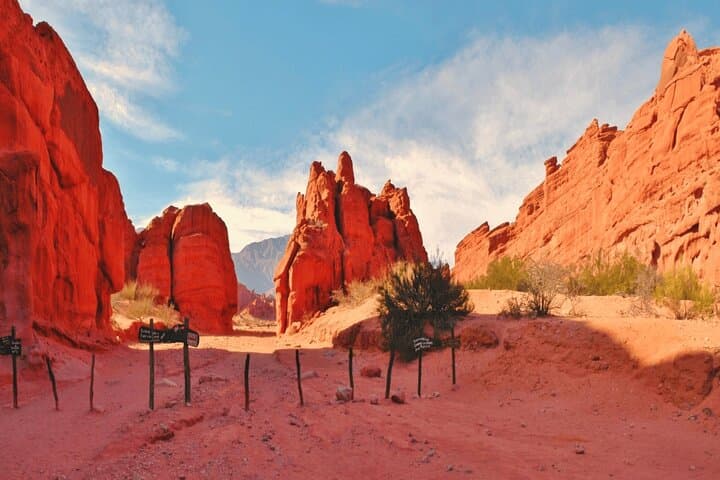
You step out of the van in the thinning air of northern Argentina and the landscape takes charge: red-banded canyons that have been carved by wind and water, vineyards in sunlit pockets, and a white horizon that dares you to walk across it. The first day follows Ruta Nacional 68 through the Quebrada de las Conchas — rock formations like an amphitheater and a Devil's Throat cut into the canyon wall — before you reach Cafayate, where Torrontés aromas mingle with dusty adobe streets.
You step out of the van in the thinning air of northern Argentina and the landscape takes charge: red-banded canyons that have been carved by wind and water, vineyards in sunlit pockets, and a white horizon that dares you to walk across it. The first day follows Ruta Nacional 68 through the Quebrada de las Conchas — rock formations like an amphitheater and a Devil's Throat cut into the canyon wall — before you reach Cafayate, where Torrontés aromas mingle with dusty adobe streets.
On day two the road climbs. The Cuesta del Obispo and the Valle Encantado push you toward 3,400 m at Piedra del Molino; the terrain shifts to high puna and the columnar cacti of Los Cardones National Park become the region’s watchful hosts. Cachi is a compact colonial town: cobbled blocks, low whitewashed houses and a quiet main square where mountain light is sharp enough to make details sing.
The final day crosses provincial lines into Jujuy, via Purmamarca and the Cuesta de Lipán, to the Salinas Grandes. The salt flat stretches bright and flat — a stark counterpoint to the sculpted rocks and vineyards — ideal for scale-bending photos and quiet observation.
Practical notes: expect altitude, bring layers and sun protection, and allow time for unpaved viewpoints and short walks. The route combines geology, colonial-era settlement patterns and viticulture; local markets in Purmamarca and Cafayate offer artisan ceramics and regional wines. Travel responsibly on fragile puna soils and avoid driving on the salt crust.