THE ADVENTURE COLLECTIVE® · Independent discovery and booking for outdoor travel

Cross the world’s largest salt flat, spot flamingos in mineral-rich lagoons, and watch volcanic steam rise over otherworldly deserts on this 3-day premium circuit from Uyuni. Ideal for travelers who want maximum landscape variety with guided logistics.
Cross the world’s largest salt flat, spot flamingos in mineral-rich lagoons, and watch volcanic steam rise over otherworldly deserts on this 3-day premium circuit from Uyuni. Ideal for travelers who want maximum landscape variety with guided logistics.
The vehicle crunches across white that stretches to the horizon and a sky so close it feels like a lid you could lift. On day one visitors step out into the bright, flat silence of the Salar de Uyuni, where crystalline salt plains flare against a thin, high-altitude air. The trip threads through abandoned locomotives at the Train Cemetery, passes salt workshops, and places you on Incahuasi — an island of towering cacti rising from a sea of white (season permitting).
Verified experiences and guided adventures in the surrounding area.
Operated by Empresa turística Parina de Sal · Uyuni, Potosí
The vehicle crunches across white that stretches to the horizon and a sky so close it feels like a lid you could lift. On day one visitors step out into the bright, flat silence of the Salar de Uyuni, where crystalline salt plains flare against a thin, high-altitude air. The trip threads through abandoned locomotives at the Train Cemetery, passes salt workshops, and places you on Incahuasi — an island of towering cacti rising from a sea of white (season permitting).
Geology here is blunt and theatrical: an ancient lakebed compressed and evaporated over millennia to create a nearly seamless crust of salt. Cultural history surfaces in the handmade salt crafts and in the ruins that mark Bolivia’s mining past. By day two the landscape shifts to ochre deserts and the Siloli region’s wind-carved Stone Tree; flamingos color shallow lagoons red and pink where volcanic minerals concentrate. On day three, geothermal zones and green and white lagoons point to recent volcanic activity and hydrothermal chemistry.
Practically, this is a remote, high-altitude circuit—expect long drives between spectacular stops, short walks to viewpoints, and simple alpine-style lodgings (private room first night, Tayka hotel second). Bring layered clothing, sun protection, insulated water, and patience for thin air; plan acclimatization time in Uyuni or La Paz before departure. The route runs year-round but some islands become inaccessible in the rainy season. For photographers and curious outdoor travelers the tour is an efficient way to experience Bolivia’s most alien, fragile landscapes with guided logistics and meals included.
moderate.
3 days (approx. 72 hours).
Suitable for travelers in average fitness who can handle short walks, long vehicle transfers, and high altitude.
Yes—vehicles and lodgings are arranged to accommodate a range of ages, but everyone must be able to tolerate altitude and long vehicle transfers.
No—Incahuasi can be inaccessible during the rainy season when parts of the salar flood; operators will adjust the itinerary accordingly.
Yes: three lunches, two breakfasts, two dinners, one private night and one night at Tayka hotel are included as listed in the itinerary.
Hydrate, avoid alcohol before and during the first 24 hours, ascend slowly beforehand if possible, and consider medication after consulting a physician.
The salar overlays an ancient lake; nearby train wrecks reflect the region’s mining boom and decline in the early 20th century.
This high-altitude desert is fragile—stick to established routes, avoid contaminating water sources, and minimize plastic waste to protect lagoons and wildlife.
Empresa turística Parina de Sal operates guided outdoor trips and adventures with an emphasis on safety, stewardship, and memorable experiences.
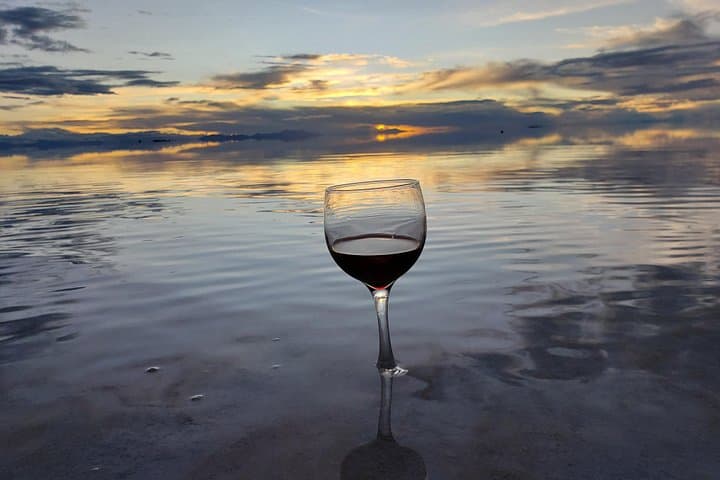
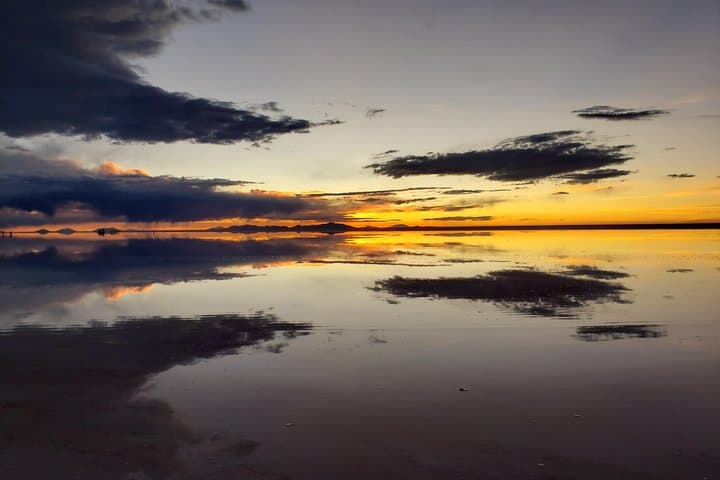
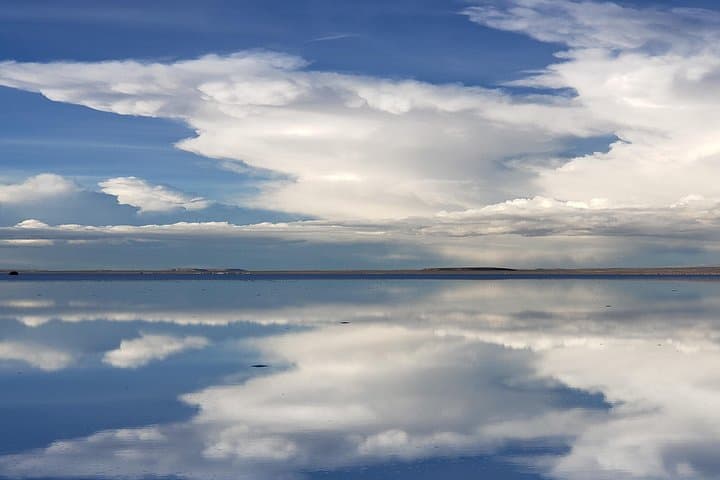
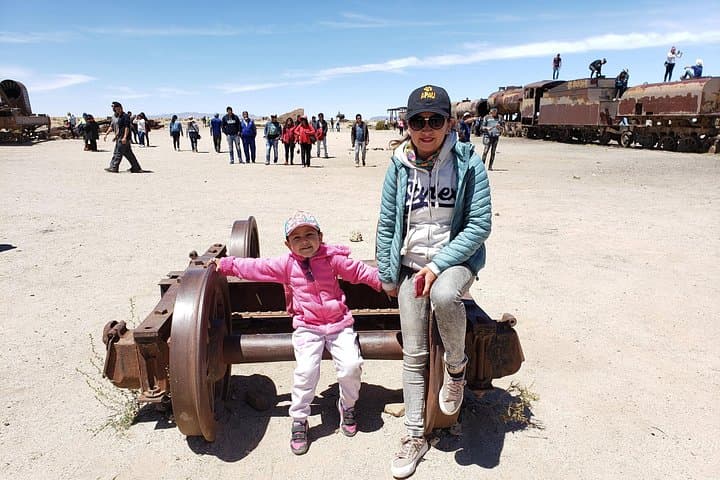
The vehicle crunches across white that stretches to the horizon and a sky so close it feels like a lid you could lift. On day one visitors step out into the bright, flat silence of the Salar de Uyuni, where crystalline salt plains flare against a thin, high-altitude air. The trip threads through abandoned locomotives at the Train Cemetery, passes salt workshops, and places you on Incahuasi — an island of towering cacti rising from a sea of white (season permitting).
The vehicle crunches across white that stretches to the horizon and a sky so close it feels like a lid you could lift. On day one visitors step out into the bright, flat silence of the Salar de Uyuni, where crystalline salt plains flare against a thin, high-altitude air. The trip threads through abandoned locomotives at the Train Cemetery, passes salt workshops, and places you on Incahuasi — an island of towering cacti rising from a sea of white (season permitting).
Geology here is blunt and theatrical: an ancient lakebed compressed and evaporated over millennia to create a nearly seamless crust of salt. Cultural history surfaces in the handmade salt crafts and in the ruins that mark Bolivia’s mining past. By day two the landscape shifts to ochre deserts and the Siloli region’s wind-carved Stone Tree; flamingos color shallow lagoons red and pink where volcanic minerals concentrate. On day three, geothermal zones and green and white lagoons point to recent volcanic activity and hydrothermal chemistry.
Practically, this is a remote, high-altitude circuit—expect long drives between spectacular stops, short walks to viewpoints, and simple alpine-style lodgings (private room first night, Tayka hotel second). Bring layered clothing, sun protection, insulated water, and patience for thin air; plan acclimatization time in Uyuni or La Paz before departure. The route runs year-round but some islands become inaccessible in the rainy season. For photographers and curious outdoor travelers the tour is an efficient way to experience Bolivia’s most alien, fragile landscapes with guided logistics and meals included.