THE ADVENTURE COLLECTIVE® · Independent discovery and booking for outdoor travel

Three days from Marrakech to the Erg Chebbi dunes deliver mountain passes, kasbahs, Todra Gorge, and a two-night desert stay with camel treks and a traditional Berber camp. Expect long drives, dramatic landscapes, and vivid sunrise/sunset photography opportunities.
Three days from Marrakech to the Erg Chebbi dunes deliver mountain passes, kasbahs, Todra Gorge, and a two-night desert stay with camel treks and a traditional Berber camp. Expect long drives, dramatic landscapes, and vivid sunrise/sunset photography opportunities.
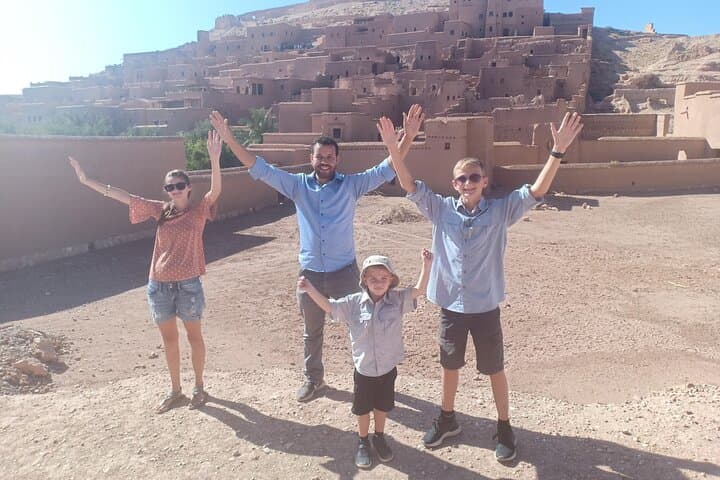
At first light the road climbs the High Atlas, switchbacks opening to dry plateaus and villages carved into the mountains. The minivan hums along Tizi n'Tichka as the city quickly falls away; by midday you're threading the ochre lanes of Ait Ben Haddou, a UNESCO kasbah that once watched caravans creep across this gateway.
Verified experiences and guided adventures in the surrounding area.
Operated by Desert Family Tours · Merzouga, Drâa-Tafilalet
At first light the road climbs the High Atlas, switchbacks opening to dry plateaus and villages carved into the mountains. The minivan hums along Tizi n'Tichka as the city quickly falls away; by midday you're threading the ochre lanes of Ait Ben Haddou, a UNESCO kasbah that once watched caravans creep across this gateway.
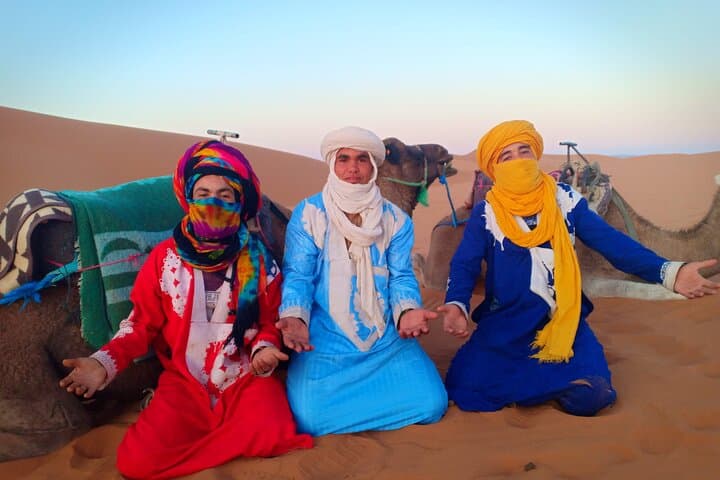
Geology here is blunt and theatrical: the Atlas is folded, rivers have cut deep gorges, and Erg Chebbi’s dunes are wind-sculpted waves of sand that still shift every season. Culture feels immediate — Berber villages, rose-water orchards in the Valley of Roses, and the palm-lined oases of Tafilalet that supported trans-Saharan trade.
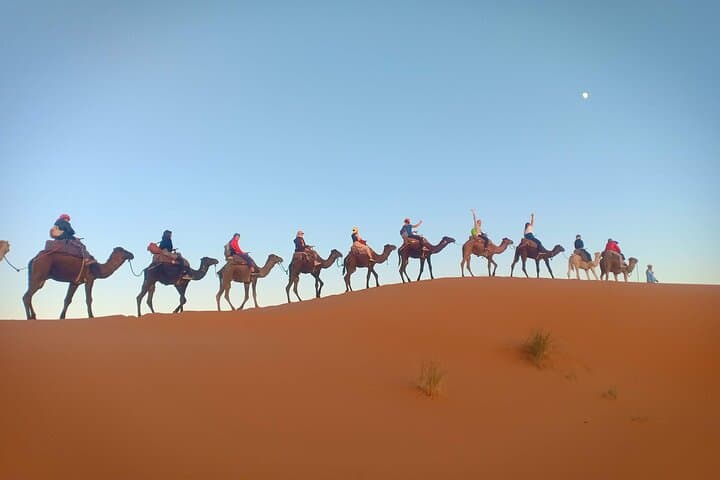
The tour paces you from cinematic kasbahs and Todra Gorge’s sheer limestone walls to the small, intimate ritual of mounting a camel at late afternoon. The dunes take the spotlight at sunset and again at dawn, when the light sharpens ridgelines and the sand seems to lean toward you.
Practical edge: pack a lightweight layer for chilly desert nights, a scarf for dust, and shoes that shed sand. Stay hydrated—carry at least 2–3 liters per day—and time photo plans around sunrise and sunset when the light and temperatures cooperate. Expect long driving legs (3 days total) and basic but comfortable lodging: a private suite in Dades then a private tent in a Berber camp. If you have mobility concerns, note the camel mounts and uneven sand. With simple preparation, this route rewards you with geology, living culture, and desert silence that almost dares you to listen.
moderate.
3 days (approx. 48–60 hours including transfers).
Suitable for travelers in average physical condition able to mount camels, walk short dune sections, and endure multi-hour drives.
Camel rides are steady but can be uncomfortable at first; mounts are short and guides assist—most people complete the trek without issue.
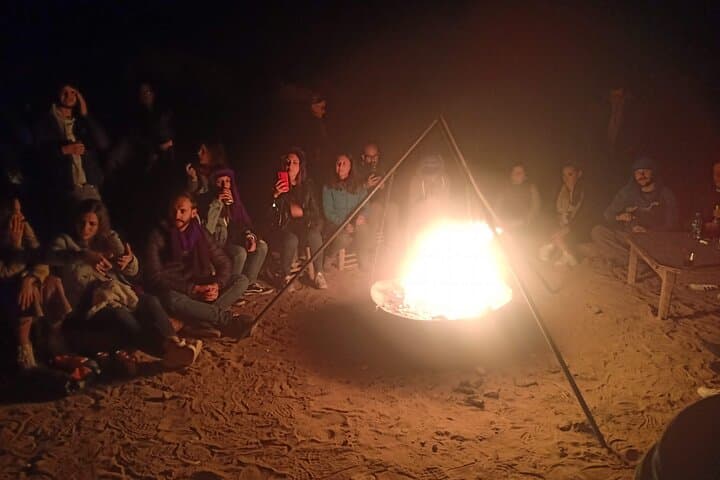
The tour includes a private A/C suite or riad-style room the first night and a private tent in a traditional Berber camp for the second night with basic comforts.
Yes—families are allowed, but consider camel transfers and long drives; infants should be secured and small children monitored closely in camps and gorges.
Two dinners and two breakfasts are included: dinner and breakfast at the first night’s accommodation and dinner and breakfast in the desert camp.
This route follows long-standing trade and migration corridors; Ait Ben Haddou and the Tafilalet oasis were key stops on trans-Saharan trade routes.
Stick to established paths and camps; the desert ecosystem is fragile—avoid disturbing plant life and pack out waste to minimize impact.
Desert Family Tours operates guided outdoor trips and adventures with an emphasis on safety, stewardship, and memorable experiences.
At first light the road climbs the High Atlas, switchbacks opening to dry plateaus and villages carved into the mountains. The minivan hums along Tizi n'Tichka as the city quickly falls away; by midday you're threading the ochre lanes of Ait Ben Haddou, a UNESCO kasbah that once watched caravans creep across this gateway.
At first light the road climbs the High Atlas, switchbacks opening to dry plateaus and villages carved into the mountains. The minivan hums along Tizi n'Tichka as the city quickly falls away; by midday you're threading the ochre lanes of Ait Ben Haddou, a UNESCO kasbah that once watched caravans creep across this gateway.
Geology here is blunt and theatrical: the Atlas is folded, rivers have cut deep gorges, and Erg Chebbi’s dunes are wind-sculpted waves of sand that still shift every season. Culture feels immediate — Berber villages, rose-water orchards in the Valley of Roses, and the palm-lined oases of Tafilalet that supported trans-Saharan trade.
The tour paces you from cinematic kasbahs and Todra Gorge’s sheer limestone walls to the small, intimate ritual of mounting a camel at late afternoon. The dunes take the spotlight at sunset and again at dawn, when the light sharpens ridgelines and the sand seems to lean toward you.
Practical edge: pack a lightweight layer for chilly desert nights, a scarf for dust, and shoes that shed sand. Stay hydrated—carry at least 2–3 liters per day—and time photo plans around sunrise and sunset when the light and temperatures cooperate. Expect long driving legs (3 days total) and basic but comfortable lodging: a private suite in Dades then a private tent in a Berber camp. If you have mobility concerns, note the camel mounts and uneven sand. With simple preparation, this route rewards you with geology, living culture, and desert silence that almost dares you to listen.