THE ADVENTURE COLLECTIVE® · Independent discovery and booking for outdoor travel

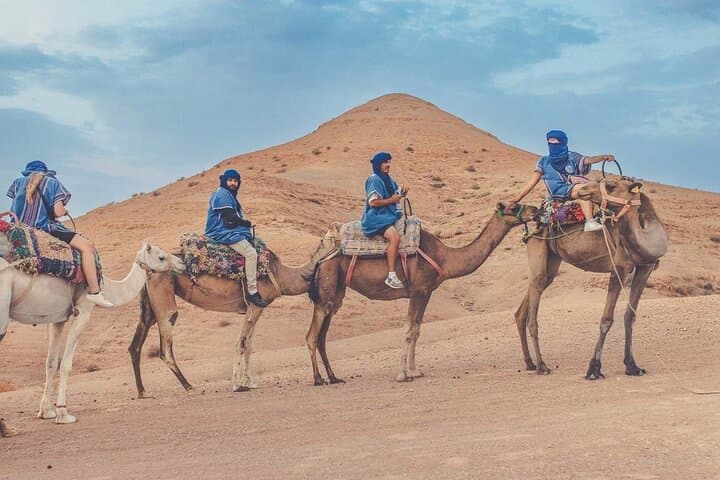
Cross the High Atlas, explore the fortified ksar of Aït Ben Haddou and stroll Todra Gorges before riding camels into Merzouga’s dunes. This three-day loop blends geology, Berber culture and luxury desert camping for an efficient Sahara introduction.
Cross the High Atlas, explore the fortified ksar of Aït Ben Haddou and stroll Todra Gorges before riding camels into Merzouga’s dunes. This three-day loop blends geology, Berber culture and luxury desert camping for an efficient Sahara introduction.
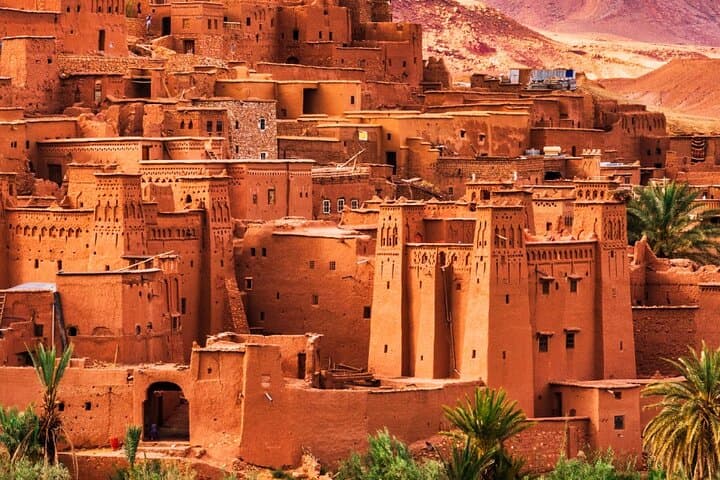
Before sunrise the road out of Marrakech squeezes between ochre houses and almond-scented markets, then rises through the High Atlas where hairpin turns open to wind-scoured panoramas. You cross the Tizi n'Tichka pass, descend into red-earth valleys, and find the clay towers of Aït Ben Haddou catching late light like a living film set.
Verified experiences and guided adventures in the surrounding area.
Operated by Morocco Trip Experience · Marrakech, Marrakesh-Safi
Before sunrise the road out of Marrakech squeezes between ochre houses and almond-scented markets, then rises through the High Atlas where hairpin turns open to wind-scoured panoramas. You cross the Tizi n'Tichka pass, descend into red-earth valleys, and find the clay towers of Aït Ben Haddou catching late light like a living film set.
Across three days the landscape changes from terraced fields to palm oases and finally to the rippling sea of Erg Chebbi. Aït Ben Haddou is a fortified ksar on a caravan route and a UNESCO-listed example of southern Moroccan earthen architecture; the High Atlas itself is the result of African and Eurasian plate collision, its passes carrying Berber villages that still trade in dates and handwoven cloth. Todra Gorges slices limestone into vertical walls that frame a cool palm pocket, while Merzouga's dunes are mobile features sculpted by northern Saharan winds—perfect for sunset camel treks and clear, cold nights.
Practically: this is a driver-led, multi-day route with long road sections—expect several hours in an A/C vehicle each day and short walks at sites. Camel rides are gentle but require basic balance; desert nights drop sharply in temperature so layers are essential. Bring plentiful water, sun protection, and comfortable, broken-in shoes. Plan to start early to avoid mid-day heat, carry small bills for local purchases and tips, and respect private or agricultural areas when photographing villages. The trip balances cultural stops, canyon walking, and genuine desert time—an accessible introduction to Morocco’s southern landscapes.
moderate.
3 days.
Moderate fitness: able to handle several hours of vehicle travel plus short walks and a camel ride; not suitable for those with serious back or heart conditions.
Expect several hours on the road daily—the tour covers mountain passes and desert approaches with scheduled stops; total door-to-door travel is spread across three days.
Yes—sunset and sunrise camel rides are short and paced for novices; guides assist mounting and dismounting.
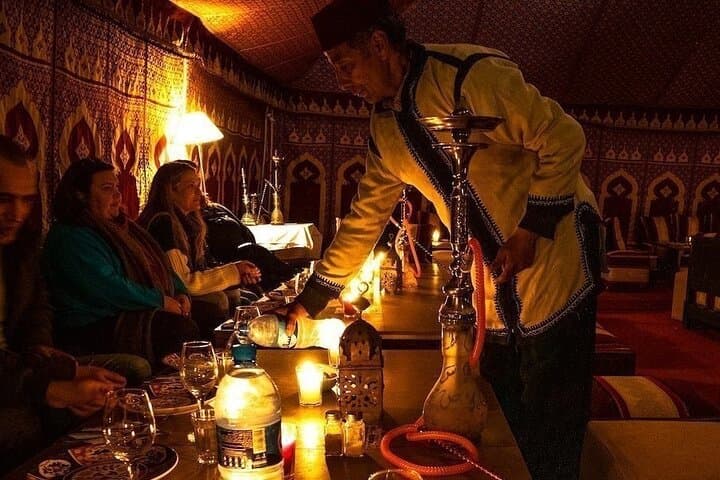
The advertised luxury camp offers private tents and hot-showers, but facilities are simple compared with hotels—bring personal items you need for comfort.
Not recommended for pregnant travelers or those with serious back or heart issues; infants may ride but policies vary—check with the operator for family-specific guidance.
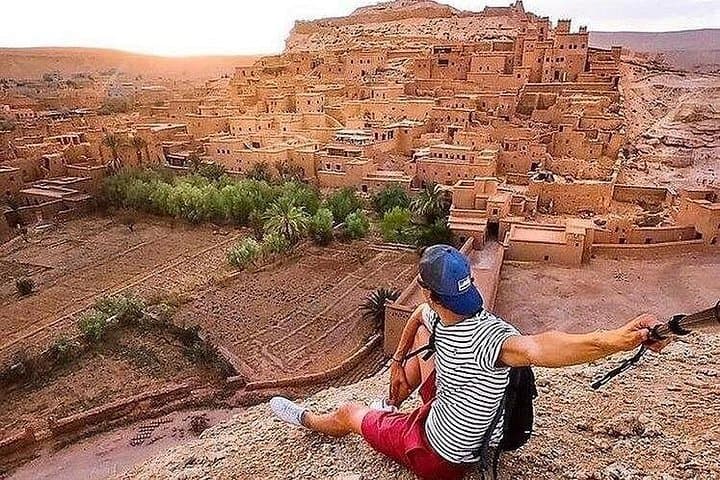
Aït Ben Haddou grew as a fortified caravan ksar on trans-Saharan trade routes and later became a cinematic location; local kasbah architecture reflects centuries of adobe construction and communal defense.
The Erg Chebbi dunes and oases are fragile—avoid off-trail driving, minimize water use, and support local camps that follow waste-management best practices.
Morocco Trip Experience operates guided outdoor trips and adventures with an emphasis on safety, stewardship, and memorable experiences.
Before sunrise the road out of Marrakech squeezes between ochre houses and almond-scented markets, then rises through the High Atlas where hairpin turns open to wind-scoured panoramas. You cross the Tizi n'Tichka pass, descend into red-earth valleys, and find the clay towers of Aït Ben Haddou catching late light like a living film set.
Before sunrise the road out of Marrakech squeezes between ochre houses and almond-scented markets, then rises through the High Atlas where hairpin turns open to wind-scoured panoramas. You cross the Tizi n'Tichka pass, descend into red-earth valleys, and find the clay towers of Aït Ben Haddou catching late light like a living film set.
Across three days the landscape changes from terraced fields to palm oases and finally to the rippling sea of Erg Chebbi. Aït Ben Haddou is a fortified ksar on a caravan route and a UNESCO-listed example of southern Moroccan earthen architecture; the High Atlas itself is the result of African and Eurasian plate collision, its passes carrying Berber villages that still trade in dates and handwoven cloth. Todra Gorges slices limestone into vertical walls that frame a cool palm pocket, while Merzouga's dunes are mobile features sculpted by northern Saharan winds—perfect for sunset camel treks and clear, cold nights.
Practically: this is a driver-led, multi-day route with long road sections—expect several hours in an A/C vehicle each day and short walks at sites. Camel rides are gentle but require basic balance; desert nights drop sharply in temperature so layers are essential. Bring plentiful water, sun protection, and comfortable, broken-in shoes. Plan to start early to avoid mid-day heat, carry small bills for local purchases and tips, and respect private or agricultural areas when photographing villages. The trip balances cultural stops, canyon walking, and genuine desert time—an accessible introduction to Morocco’s southern landscapes.