THE ADVENTURE COLLECTIVE® · Independent discovery and booking for outdoor travel

Traverse Morocco from Fes to Marrakech in three days, crossing volcanic plateaus and the golden Erg Chebbi dunes by camel. Expect sunset camel treks, an overnight Berber camp, and dramatic stops at Todra Gorge and Ait Ben Haddou.
Traverse Morocco from Fes to Marrakech in three days, crossing volcanic plateaus and the golden Erg Chebbi dunes by camel. Expect sunset camel treks, an overnight Berber camp, and dramatic stops at Todra Gorge and Ait Ben Haddou.
Sunlight thins as the Erg Chebbi dunes fold into long, orange ridgelines; a caravan of camels picks its way up a crest and pauses while the sky bruises purple. On day two of this three-day route, the desert does not feel distant from Morocco’s living history — it feels like a place you enter deliberately, on foot or camelback, leaving roads and schedules behind.
Verified experiences and guided adventures in the surrounding area.
Operated by Morocco Top Tours · Merzouga, Drâa-Tafilalet
Sunlight thins as the Erg Chebbi dunes fold into long, orange ridgelines; a caravan of camels picks its way up a crest and pauses while the sky bruises purple. On day two of this three-day route, the desert does not feel distant from Morocco’s living history — it feels like a place you enter deliberately, on foot or camelback, leaving roads and schedules behind.
The route links Fes’s medieval medina with Marrakech via the Middle Atlas, Ziz Valley and the river-cut Todra Gorge. Geologically, the Erg Chebbi dunes are recent, wind-sculpted seas of quartz sand sitting atop older sedimentary basins. Culturally, the area is shaped by Berber (Amazigh) trade routes and kasbah settlements; travelers will pass fortified mud-brick villages and the cinematic Ait Ben Haddou along the “Road of a Thousand Kasbahs.”
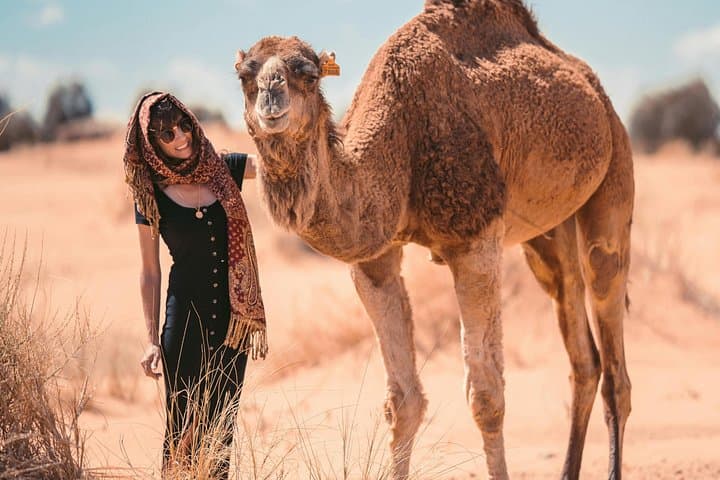
Expect practical contrasts: cool cedar forests in Ifrane and Midelt, then arid plateaus and the wind-driven grammar of dunes. Nights range from warm in a riad to cold beneath the desert sky in a Berber tent; stars take on a sharpness you don’t get in the city. Activities include a guided camel trek at sunset or sunrise, optional sandboarding or 4x4 rides, and short hikes in Todra Gorge.
Plan for sun, wind and temperature swing—carry layered clothing, sun protection and plenty of water; camel rides are gentle but bring a small daypack and sturdy shoes for dune climbs. Travel time is long between stops, so charge devices and keep copies of documents. This is a social trip by design: use the evenings to hear local stories and leave the dunes cleaner than you found them.
moderate.
3 days.
Average fitness—able to walk on soft sand and climb dunes; minimal endurance required for short hikes.
Camel treks are gentle and suitable for most travelers; expect short, steady walks on sand and occasional dune climbs requiring basic balance.
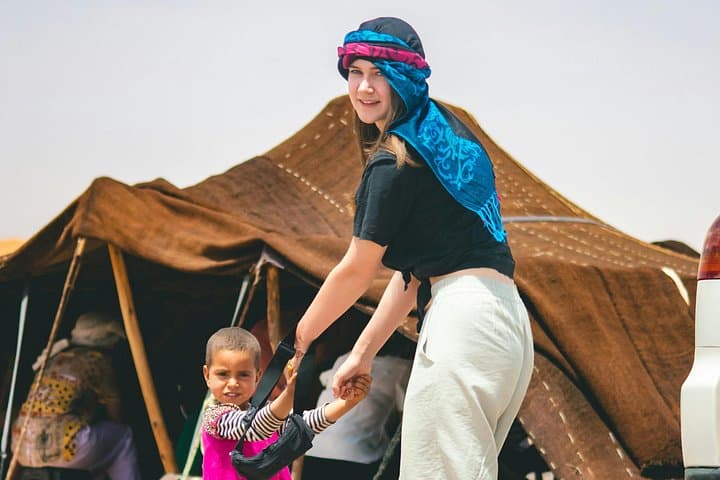
The tour includes one night in a riad or desert hotel and one night in a traditional Berber camp with basic but comfortable tented sleeping arrangements.
Yes—meals listed include regional Moroccan breakfasts, lunches and some dinners; local Berber dishes are featured, and dietary requests can usually be accommodated with advance notice.
The trip is family-friendly, but camel transfers and sandy terrain can be challenging; some components are wheelchair and stroller accessible but camel rides and dunes are not ideal for limited mobility.
The corridor between Fes and Marrakech follows ancient caravan routes used by Berber traders; kasbahs grew where routes met oases and river valleys.
The Sahara’s dune systems are sensitive—stick to established camel paths, avoid driving on unstable dunes, and pack out waste to protect fragile habitats.
Morocco Top Tours operates guided outdoor trips and adventures with an emphasis on safety, stewardship, and memorable experiences.
Sunlight thins as the Erg Chebbi dunes fold into long, orange ridgelines; a caravan of camels picks its way up a crest and pauses while the sky bruises purple. On day two of this three-day route, the desert does not feel distant from Morocco’s living history — it feels like a place you enter deliberately, on foot or camelback, leaving roads and schedules behind.
Sunlight thins as the Erg Chebbi dunes fold into long, orange ridgelines; a caravan of camels picks its way up a crest and pauses while the sky bruises purple. On day two of this three-day route, the desert does not feel distant from Morocco’s living history — it feels like a place you enter deliberately, on foot or camelback, leaving roads and schedules behind.
The route links Fes’s medieval medina with Marrakech via the Middle Atlas, Ziz Valley and the river-cut Todra Gorge. Geologically, the Erg Chebbi dunes are recent, wind-sculpted seas of quartz sand sitting atop older sedimentary basins. Culturally, the area is shaped by Berber (Amazigh) trade routes and kasbah settlements; travelers will pass fortified mud-brick villages and the cinematic Ait Ben Haddou along the “Road of a Thousand Kasbahs.”
Expect practical contrasts: cool cedar forests in Ifrane and Midelt, then arid plateaus and the wind-driven grammar of dunes. Nights range from warm in a riad to cold beneath the desert sky in a Berber tent; stars take on a sharpness you don’t get in the city. Activities include a guided camel trek at sunset or sunrise, optional sandboarding or 4x4 rides, and short hikes in Todra Gorge.
Plan for sun, wind and temperature swing—carry layered clothing, sun protection and plenty of water; camel rides are gentle but bring a small daypack and sturdy shoes for dune climbs. Travel time is long between stops, so charge devices and keep copies of documents. This is a social trip by design: use the evenings to hear local stories and leave the dunes cleaner than you found them.