THE ADVENTURE COLLECTIVE® · Independent discovery and booking for outdoor travel

A compact 3-day loop from Marrakech to Erg Chebbi that pairs High Atlas passes, kasbahs and river gorges with a classic camel trek and an overnight in a Berber desert camp. Read on for what to expect, what to pack, and how to make the most of sunrise over the dunes.
A compact 3-day loop from Marrakech to Erg Chebbi that pairs High Atlas passes, kasbahs and river gorges with a classic camel trek and an overnight in a Berber desert camp. Read on for what to expect, what to pack, and how to make the most of sunrise over the dunes.
The road leaves Marrakech in a slow, steady spool of tarmac and light, rising through the High Atlas until the air thins and the switchbacks breathe out into ochre valleys. By late afternoon the world opens into Ait Benhaddou’s mud-brick ksar, then further still to the serrated walls of Dades and Todra and, finally, the rose-gold slopes of Erg Chebbi that push skyward to 160 meters.
Verified experiences and guided adventures in the surrounding area.
Operated by Awesome Morocco Tours · Merzouga, Drâa-Tafilalet
The road leaves Marrakech in a slow, steady spool of tarmac and light, rising through the High Atlas until the air thins and the switchbacks breathe out into ochre valleys. By late afternoon the world opens into Ait Benhaddou’s mud-brick ksar, then further still to the serrated walls of Dades and Todra and, finally, the rose-gold slopes of Erg Chebbi that push skyward to 160 meters.
This three-day circuit threads geology and human history: the Tizi n'Tichka pass cuts through folded metamorphic rock above ancient caravan routes; Ait Benhaddou stands as a fortified caravan stop and film set; the Dades and Todra gorges reveal river-carved strata and oases fed by seasonal runoff. Berber culture remains visible in kasbah architecture, rose-harvesting terraces in the Valley of Roses, and campfire evenings in the Erg Chebbi dunes where oral poetry and drums mark generations.
Expect long, comfortable drives in air-conditioned vehicles, guided stops at UNESCO and local sites, a late-afternoon camel ride 1.5 hours into the dunes, and an overnight in a Berber tent with a sunrise return the next morning. Terrain ranges from paved mountain roads to packed desert tracks and soft sand underfoot; bring sturdy walking shoes for rocky gorges and light layers for cool desert nights.
Practical tips: time your camel trek for sunset or sunrise, carry water and sun protection, and plan for limited phone coverage outside towns. This itinerary balances cultural stops and dramatic desert time—ideal for first-time visitors to Morocco’s eastern Sahara.
easy.
3 days.
Suitable for most fitness levels; participants should be comfortable sitting for long vehicle transfers and walking short distances over sand and rocky paths.
The standard camel trek is about 1.5 hours each way to reach a desert camp for sunset and then at sunrise to return to Merzouga.
Camps vary by category but typical Berber tents offer sleeping mats or mattresses, shared facilities, evening meals, and guided entertainment; staff follow local safety and hospitality practices.
The itinerary includes long vehicle transfers and a camel ride; organizers state the trip is suitable for most fitness levels but contact the operator about mobility needs and pickup logistics.
Summers are very hot by day and warm at night; spring and autumn have milder days; winter nights can be cold—bring layers accordingly.
This route follows ancient trans-Saharan caravan corridors; Ait Benhaddou is a centuries-old ksar and an entry point to the Sahara’s trading past.
Respect dune ecosystems by avoiding off-track driving and minimizing campfire impact; use local guides to support community-based tourism and avoid disturbing wildlife.
Awesome Morocco Tours operates guided outdoor trips and adventures with an emphasis on safety, stewardship, and memorable experiences.


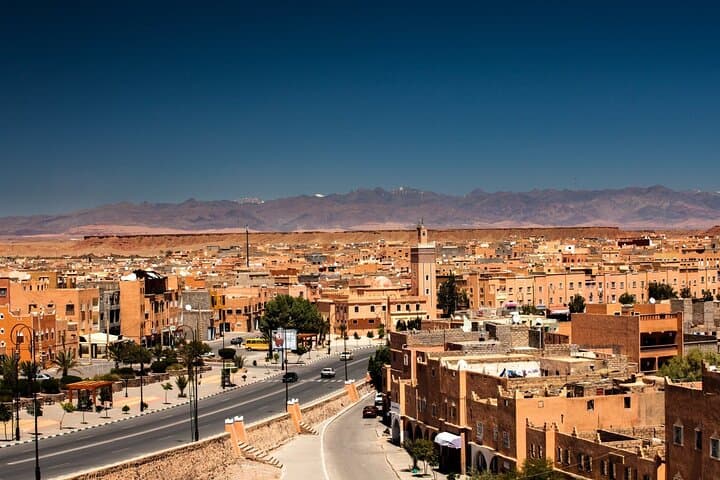
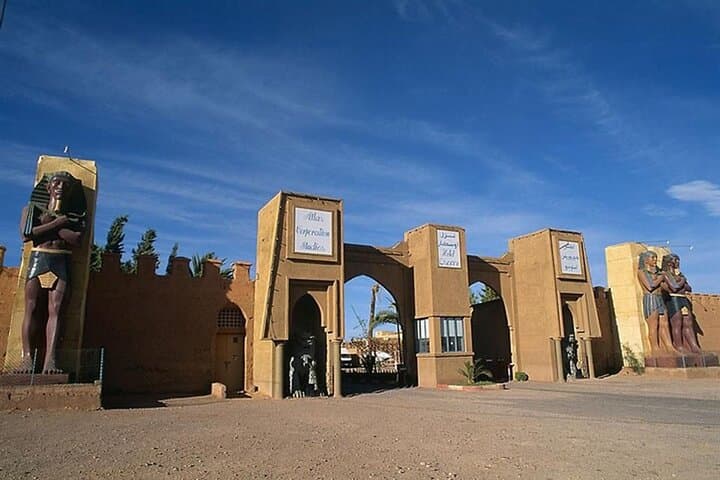
The road leaves Marrakech in a slow, steady spool of tarmac and light, rising through the High Atlas until the air thins and the switchbacks breathe out into ochre valleys. By late afternoon the world opens into Ait Benhaddou’s mud-brick ksar, then further still to the serrated walls of Dades and Todra and, finally, the rose-gold slopes of Erg Chebbi that push skyward to 160 meters.
The road leaves Marrakech in a slow, steady spool of tarmac and light, rising through the High Atlas until the air thins and the switchbacks breathe out into ochre valleys. By late afternoon the world opens into Ait Benhaddou’s mud-brick ksar, then further still to the serrated walls of Dades and Todra and, finally, the rose-gold slopes of Erg Chebbi that push skyward to 160 meters.
This three-day circuit threads geology and human history: the Tizi n'Tichka pass cuts through folded metamorphic rock above ancient caravan routes; Ait Benhaddou stands as a fortified caravan stop and film set; the Dades and Todra gorges reveal river-carved strata and oases fed by seasonal runoff. Berber culture remains visible in kasbah architecture, rose-harvesting terraces in the Valley of Roses, and campfire evenings in the Erg Chebbi dunes where oral poetry and drums mark generations.
Expect long, comfortable drives in air-conditioned vehicles, guided stops at UNESCO and local sites, a late-afternoon camel ride 1.5 hours into the dunes, and an overnight in a Berber tent with a sunrise return the next morning. Terrain ranges from paved mountain roads to packed desert tracks and soft sand underfoot; bring sturdy walking shoes for rocky gorges and light layers for cool desert nights.
Practical tips: time your camel trek for sunset or sunrise, carry water and sun protection, and plan for limited phone coverage outside towns. This itinerary balances cultural stops and dramatic desert time—ideal for first-time visitors to Morocco’s eastern Sahara.