THE ADVENTURE COLLECTIVE® · Independent discovery and booking for outdoor travel

Three days from Marrakech to the Merzouga dunes, Todra Gorge and Ait Ben Haddou deliver sunrise camel treks, kasbah visits, and nights under the stars. This practical guide outlines what to expect—terrain, history, and essential tips to prepare.
Three days from Marrakech to the Merzouga dunes, Todra Gorge and Ait Ben Haddou deliver sunrise camel treks, kasbah visits, and nights under the stars. This practical guide outlines what to expect—terrain, history, and essential tips to prepare.
Dust rises as the minibus threads the High Atlas passes — roofs of villages flash, stone kasbahs watch the road — and the air grows dryer with every kilometer toward Merzouga. By late afternoon the dunes lean like waves and the camel train becomes your slow-moving bridge across a living desert; the sand seems to breathe, pushing you forward toward a rim-of-the-world sunset.
Verified experiences and guided adventures in the surrounding area.
Operated by Marrakech Desert Tour · Marrakech, Marrakech-Safi
Dust rises as the minibus threads the High Atlas passes — roofs of villages flash, stone kasbahs watch the road — and the air grows dryer with every kilometer toward Merzouga. By late afternoon the dunes lean like waves and the camel train becomes your slow-moving bridge across a living desert; the sand seems to breathe, pushing you forward toward a rim-of-the-world sunset.
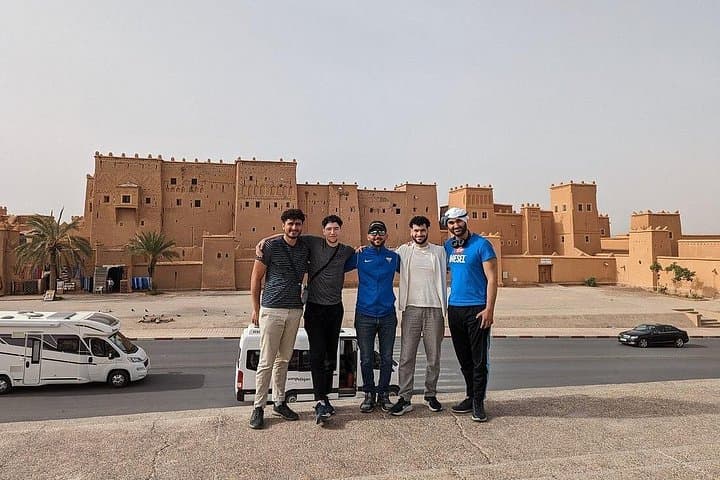
This route traces centuries of trade and migration: the plains around Rissani were part of the medieval Sijilmassa trade network, while Ait Ben Haddou sits on an old caravan corridor and has watched filmmakers and desert caravans alike. Geologically, the Erg Chebbi dunes are wind-carved Pleistocene sand swept from distant plateaus; further west the Todra and Dades cut dramatic gorges through red sedimentary rock, revealing layered stories of uplift and erosion.
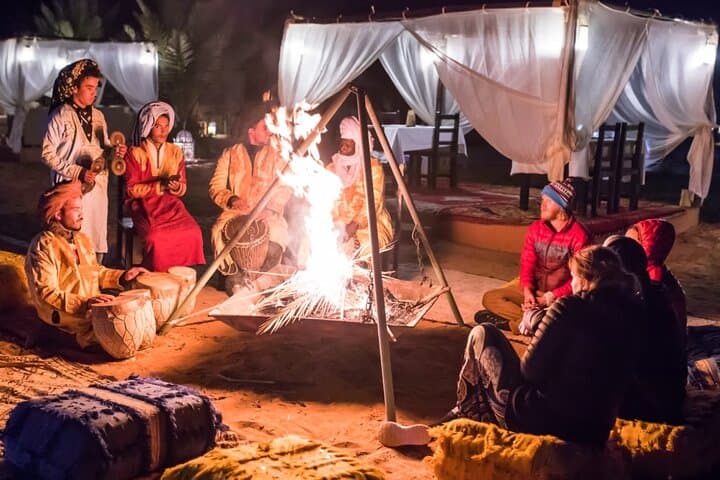
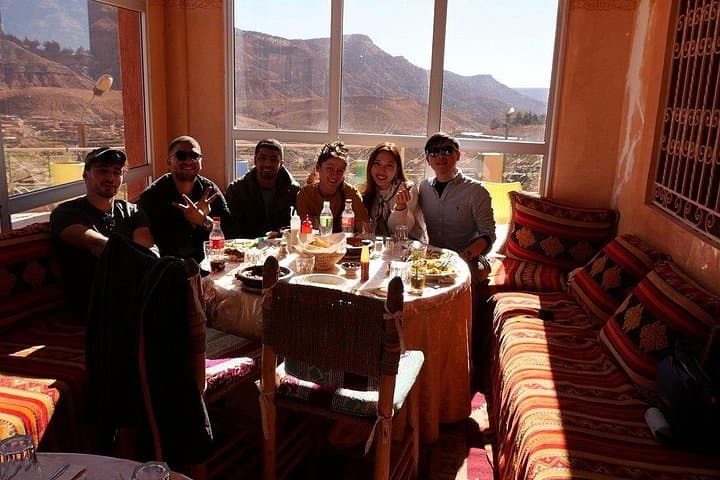
Culturally the trip threads Berber villages, kasbahs, and souks — expect local hospitality, tajine dinners, and Saharan music in camp. Guides balance storytelling with navigation: cairns, tracks and seasonal vegetation mark passages here.
Practical guidance: travel light but plan for temperature swings — hot days, cold nights. Wear sturdy shoes for dune walking and canyon strolls; carry 2–3 liters of water per day and sun protection. Schedule your camel trek to catch both sunset and sunrise on the dunes; those golden hours offer the easiest walking and best photos. Expect long drives between stops, so motion comfort and layered clothing matter. Finally, honor local customs and follow your guide’s advice on dune safety and campsite etiquette — the desert’s beauty rewards respect.
moderate.
3 days (≈72 hours).
Moderate fitness required: able to manage several hours of light dune walking, short canyon hikes, and long vehicle transfers.
Yes for school-age children with moderate fitness; caregivers should note long vehicle transfers and a camel ride that lasts about an hour.
Overnight in a traditional desert camp in Merzouga with basic beds or mats, shared facilities, dinner and breakfast included.
Expect short dune treks (about an hour each way), light walking in Todra Gorge, and brief village strolls—no technical hiking required.
Typical inclusions are air‑conditioned transport, camel trek, one desert camp night, hotel night in Ouarzazate, two breakfasts and two dinners, and driver/guide services.
The itinerary follows ancient caravan corridors: Rissani/Sijilmassa long served as a trade hub and Ait Ben Haddou guarded trans-Saharan routes and later became a notable kasbah landmark.
Desert environments are fragile—use refillable containers, avoid disturbing dune vegetation, and support local guides to keep cultural sites intact.
Marrakech Desert Tour operates guided outdoor trips and adventures with an emphasis on safety, stewardship, and memorable experiences.
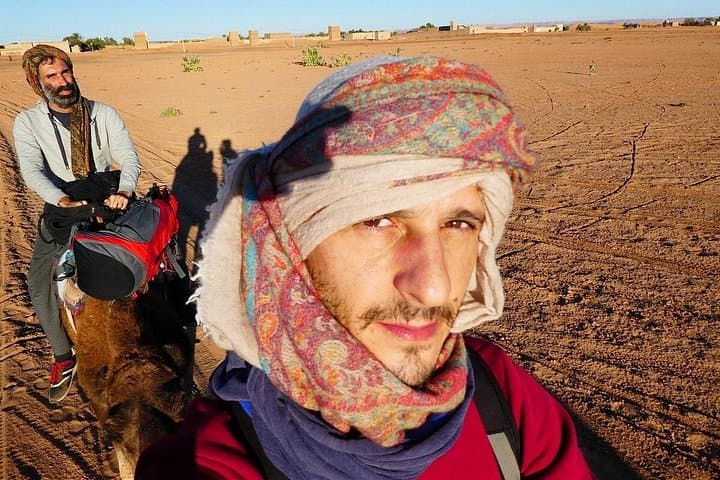
Dust rises as the minibus threads the High Atlas passes — roofs of villages flash, stone kasbahs watch the road — and the air grows dryer with every kilometer toward Merzouga. By late afternoon the dunes lean like waves and the camel train becomes your slow-moving bridge across a living desert; the sand seems to breathe, pushing you forward toward a rim-of-the-world sunset.
Dust rises as the minibus threads the High Atlas passes — roofs of villages flash, stone kasbahs watch the road — and the air grows dryer with every kilometer toward Merzouga. By late afternoon the dunes lean like waves and the camel train becomes your slow-moving bridge across a living desert; the sand seems to breathe, pushing you forward toward a rim-of-the-world sunset.
This route traces centuries of trade and migration: the plains around Rissani were part of the medieval Sijilmassa trade network, while Ait Ben Haddou sits on an old caravan corridor and has watched filmmakers and desert caravans alike. Geologically, the Erg Chebbi dunes are wind-carved Pleistocene sand swept from distant plateaus; further west the Todra and Dades cut dramatic gorges through red sedimentary rock, revealing layered stories of uplift and erosion.
Culturally the trip threads Berber villages, kasbahs, and souks — expect local hospitality, tajine dinners, and Saharan music in camp. Guides balance storytelling with navigation: cairns, tracks and seasonal vegetation mark passages here.
Practical guidance: travel light but plan for temperature swings — hot days, cold nights. Wear sturdy shoes for dune walking and canyon strolls; carry 2–3 liters of water per day and sun protection. Schedule your camel trek to catch both sunset and sunrise on the dunes; those golden hours offer the easiest walking and best photos. Expect long drives between stops, so motion comfort and layered clothing matter. Finally, honor local customs and follow your guide’s advice on dune safety and campsite etiquette — the desert’s beauty rewards respect.