THE ADVENTURE COLLECTIVE® · Independent discovery and booking for outdoor travel

Cover Tarangire’s baobabs and elephant herds, descend into Ngorongoro’s vast caldera, and finish amid Lake Manyara’s forested shores on a compact 3-day safari. Early starts, long drives, and rich wildlife make this a fast, focused taste of northern Tanzania.
Cover Tarangire’s baobabs and elephant herds, descend into Ngorongoro’s vast caldera, and finish amid Lake Manyara’s forested shores on a compact 3-day safari. Early starts, long drives, and rich wildlife make this a fast, focused taste of northern Tanzania.
Dawn breaks over Arusha as a 4x4 rolls away from town—dust lifts, baobabs silhouette the horizon, and the highway becomes a ribbon toward plains where herds move like slow weather.
Verified experiences and guided adventures in the surrounding area.
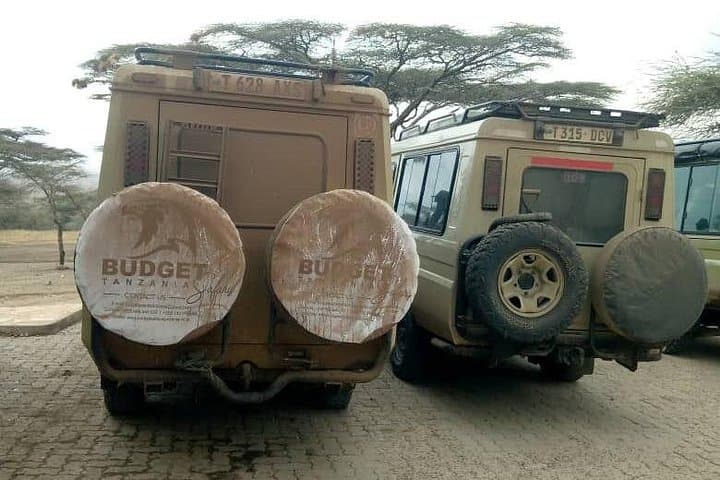
Operated by Budget Safaris Tanzania · Arusha, Arusha Region
Dawn breaks over Arusha as a 4x4 rolls away from town—dust lifts, baobabs silhouette the horizon, and the highway becomes a ribbon toward plains where herds move like slow weather.
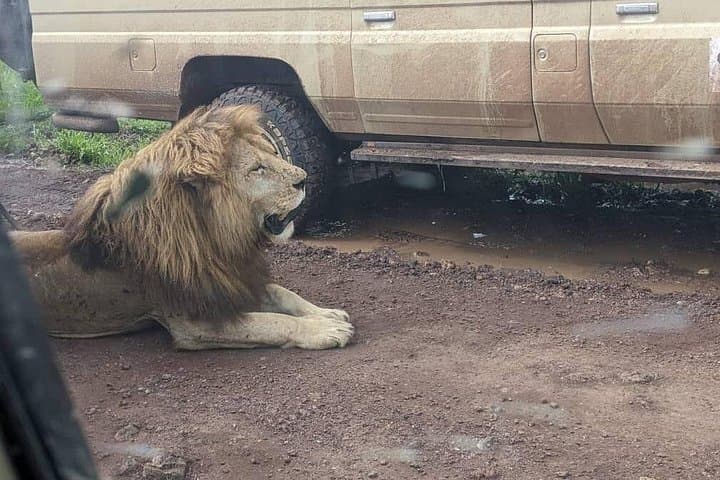
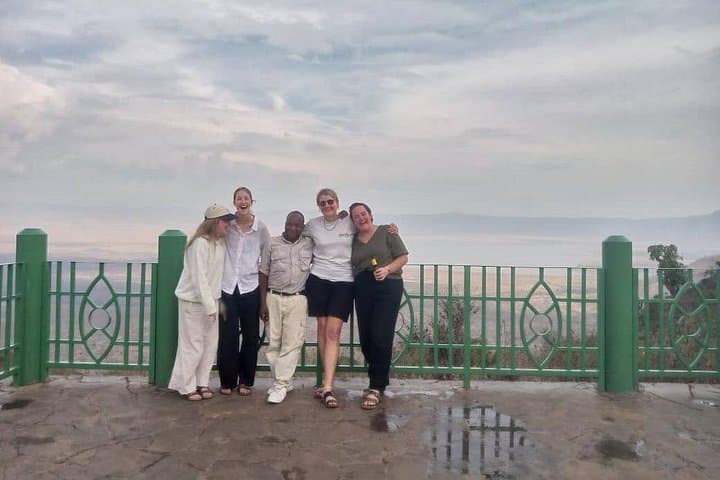
This three-day circuit threads three of northern Tanzania’s headline parks. Tarangire is a dry-season magnet for elephants and ancient baobabs; Ngorongoro is a collapsed volcano—an unbroken caldera roughly 20 km across whose rim rises above 2,200 m and shelters dense wildlife on a floor near 1,800 m; Lake Manyara sits at the base of the Rift escarpment with groundwater forest, flamingo-sprinkled alkaline shallows, and the occasional tree-climbing lion.
The landscape tells geological and human stories: volcanic collapse carved the crater basin; seasonal rains swell rivers and floodplains; Maasai pastoralists have grazed the highlands for generations, and conservation rules balance community access with tourism.
Practical guide: pickup from Arusha/Moshi starts early (Tarangire pickup ~08:00, Ngorongoro depart ~06:00, Manyara ~07:00). Expect 2–4 hour road transfers between parks on unpaved roads—bring motion-sickness meds and a firm stomach for bumps. Park fees and drinking water are included; guides are multilingual. Wildlife viewing favors early morning and late afternoon when animals move; carry binoculars, layered clothing for cool crater mornings, sun protection for mid-day, and cash for tips and curio stops.
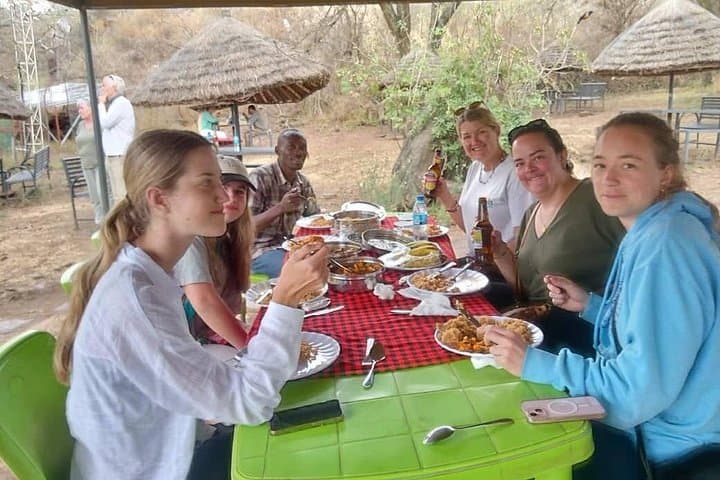
Plan for 3 days of mostly vehicle-based game drives with short walks at picnic sites. Respect park rules: keep distance from animals, stay in the vehicle unless instructed, and store waste—these ecosystems are fragile and tourism funds their protection.
moderate.
3 days.
Light to moderate fitness; mostly vehicle-based but requires getting in/out of 4x4s and handling dusty roads
Yes—park entrance fees and drinking water are listed as included in the itinerary, so you won’t need to buy separate passes on arrival.
Accommodation is included on a full-board basis; the itinerary references Figi Big Tree Lodge for nights, but confirm at booking whether lodging or camping is planned for your specific departure.
The operator notes the trip is suitable for all physical fitness levels and wheelchair-accessible transport options are available—check age and mobility specifics when booking and inform the operator of special needs.
Routine vaccinations are recommended; yellow fever may be required depending on travel origin. Malaria prophylaxis is advised for northern Tanzania—consult your travel clinic well before departure.
Ngorongoro sits within a conservation area where Maasai pastoralists and wildlife coexist under a system that predates modern national parks; the crater itself is the remnant of an ancient volcanic collapse.
Tourism revenue supports park management and community projects, but visitors should minimize waste, avoid single-use plastics, and follow guides to reduce disturbance to wildlife.
Budget Safaris Tanzania operates guided outdoor trips and adventures with an emphasis on safety, stewardship, and memorable experiences.
Dawn breaks over Arusha as a 4x4 rolls away from town—dust lifts, baobabs silhouette the horizon, and the highway becomes a ribbon toward plains where herds move like slow weather.
Dawn breaks over Arusha as a 4x4 rolls away from town—dust lifts, baobabs silhouette the horizon, and the highway becomes a ribbon toward plains where herds move like slow weather.
This three-day circuit threads three of northern Tanzania’s headline parks. Tarangire is a dry-season magnet for elephants and ancient baobabs; Ngorongoro is a collapsed volcano—an unbroken caldera roughly 20 km across whose rim rises above 2,200 m and shelters dense wildlife on a floor near 1,800 m; Lake Manyara sits at the base of the Rift escarpment with groundwater forest, flamingo-sprinkled alkaline shallows, and the occasional tree-climbing lion.
The landscape tells geological and human stories: volcanic collapse carved the crater basin; seasonal rains swell rivers and floodplains; Maasai pastoralists have grazed the highlands for generations, and conservation rules balance community access with tourism.
Practical guide: pickup from Arusha/Moshi starts early (Tarangire pickup ~08:00, Ngorongoro depart ~06:00, Manyara ~07:00). Expect 2–4 hour road transfers between parks on unpaved roads—bring motion-sickness meds and a firm stomach for bumps. Park fees and drinking water are included; guides are multilingual. Wildlife viewing favors early morning and late afternoon when animals move; carry binoculars, layered clothing for cool crater mornings, sun protection for mid-day, and cash for tips and curio stops.
Plan for 3 days of mostly vehicle-based game drives with short walks at picnic sites. Respect park rules: keep distance from animals, stay in the vehicle unless instructed, and store waste—these ecosystems are fragile and tourism funds their protection.