THE ADVENTURE COLLECTIVE® · Independent discovery and booking for outdoor travel

A compact 3-day loop from Durban that pairs Hluhluwe–Imfolozi’s Big Five game drives with the estuary and coastal wilderness of iSimangaliso. Expect open 4x4 safaris, a hippo-and-croc boat cruise, and lodge stays in St Lucia.
A compact 3-day loop from Durban that pairs Hluhluwe–Imfolozi’s Big Five game drives with the estuary and coastal wilderness of iSimangaliso. Expect open 4x4 safaris, a hippo-and-croc boat cruise, and lodge stays in St Lucia.
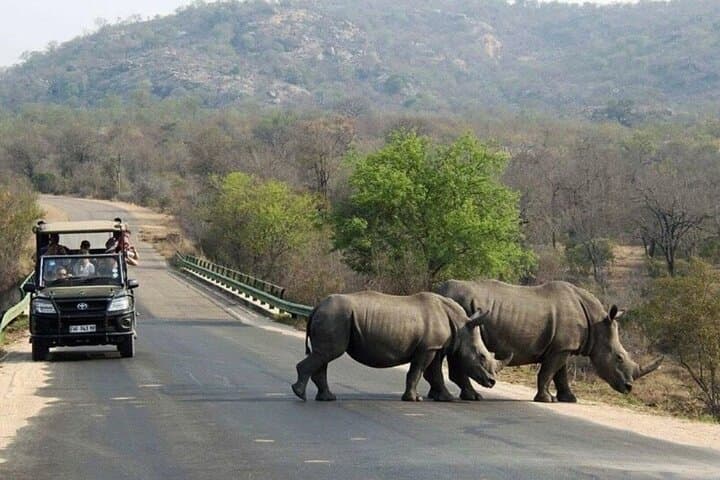
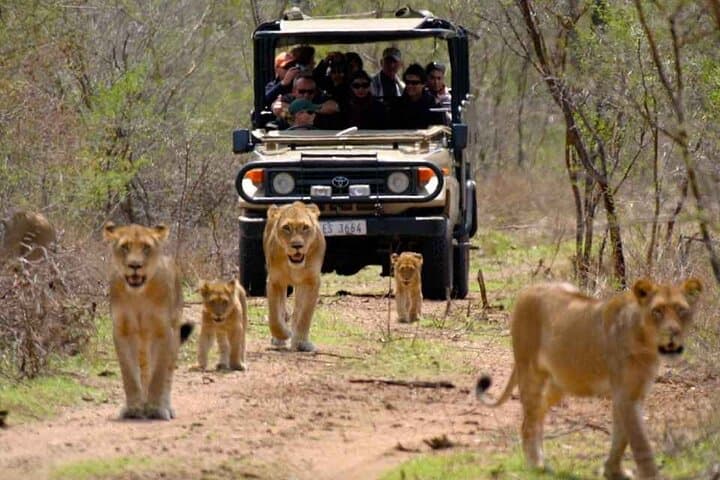
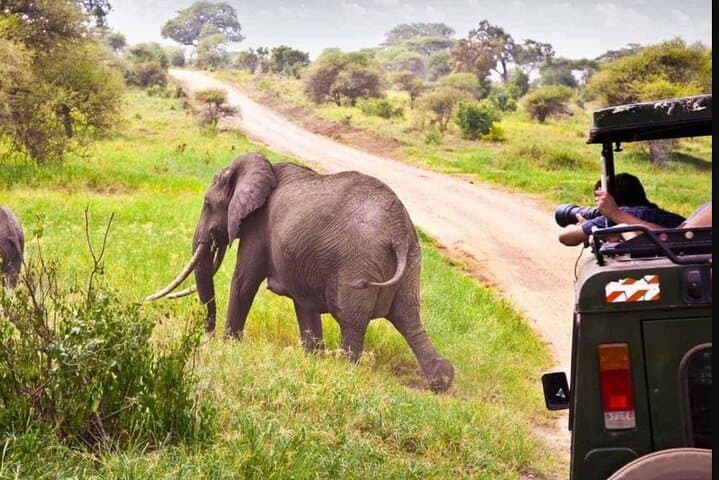
Dawn stretches over the Zululand plain as the convoy leaves Durban—sugarcane fields give way to scarp slopes and, finally, the broad savanna of Hluhluwe–Imfolozi. Dust rises behind the open 4x4; elephants move like weathered hills, giraffes browse with patient necks, and the road hums with the small noises of bush life.
Verified experiences and guided adventures in the surrounding area.
Operated by African Cape Safaris · St Lucia, KwaZulu-Natal
Dawn stretches over the Zululand plain as the convoy leaves Durban—sugarcane fields give way to scarp slopes and, finally, the broad savanna of Hluhluwe–Imfolozi. Dust rises behind the open 4x4; elephants move like weathered hills, giraffes browse with patient necks, and the road hums with the small noises of bush life.
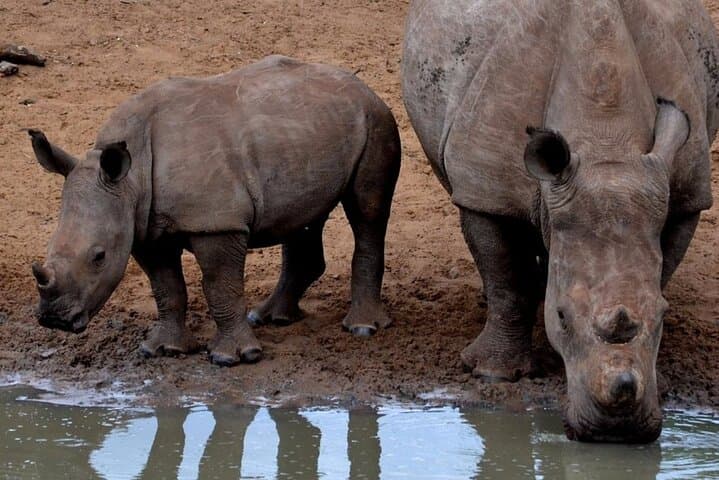
Hluhluwe–Imfolozi is one of Africa’s oldest game reserves and a cornerstone of rhino conservation, while nearby iSimangaliso (a UNESCO World Heritage site) stitches together estuary, coastal dune, forest and savanna. Geology here is simple but dramatic: ancient coastal dunes meet the Indian Ocean, and an estuary network carves back into the land, creating nutrient-rich channels that draw hippos and crocodiles.
The region’s culture is Zulu country—villages, local guides, and names that reflect long relationships with the land. St Lucia town functions as the gateway; at night hippos graze near lights and fish eagles call from mangrove edges.
Practical guidance: expect long but comfortable road transfers, early-morning and late-afternoon game drives when wildlife is most active, and a two-hour boat cruise on the St Lucia Estuary for close hippo and croc viewing. Bring binoculars, layered clothing for cool mornings and warm afternoons, insect repellent, and a camera with a moderate telephoto. Lodge accommodation reduces camping logistics, but park rules, speed limits, and guide instructions are strict—stay in the vehicle when directed.
This three-day loop combines classic Big Five viewing with coastal wilderness: efficient, wildlife-rich, and ideal for travelers who want concentrated encounters without extensive overland trekking.
moderate.
3 days.
Light-to-moderate fitness; most activity is vehicle-based with short, uneven walks possible
No—this private tour is guided and suitable for most fitness levels; guides handle navigation, wildlife spotting, and safety briefings.
The itinerary includes breakfasts and game drives, but check your booking details for specific inclusions and any additional local park fees or optional extras.
Hluhluwe–Imfolozi is known for Big Five sightings—rhino, buffalo, elephant, lion and leopard—but wildlife sightings can't be guaranteed; timing and luck matter.
Boat cruises are generally family-friendly but check with the operator about child policies and mobility requirements; some vessels have limited boarding assistance.
Hluhluwe–Imfolozi played a central role in white rhino conservation during the 20th century; iSimangaliso was South Africa’s first mixed terrestrial-marine UNESCO site in 1999.
Both parks operate under active conservation programs—support local guides and lodges that contribute to anti-poaching and community initiatives to minimize tourism impact.
African Cape Safaris operates guided outdoor trips and adventures with an emphasis on safety, stewardship, and memorable experiences.
Dawn stretches over the Zululand plain as the convoy leaves Durban—sugarcane fields give way to scarp slopes and, finally, the broad savanna of Hluhluwe–Imfolozi. Dust rises behind the open 4x4; elephants move like weathered hills, giraffes browse with patient necks, and the road hums with the small noises of bush life.
Dawn stretches over the Zululand plain as the convoy leaves Durban—sugarcane fields give way to scarp slopes and, finally, the broad savanna of Hluhluwe–Imfolozi. Dust rises behind the open 4x4; elephants move like weathered hills, giraffes browse with patient necks, and the road hums with the small noises of bush life.
Hluhluwe–Imfolozi is one of Africa’s oldest game reserves and a cornerstone of rhino conservation, while nearby iSimangaliso (a UNESCO World Heritage site) stitches together estuary, coastal dune, forest and savanna. Geology here is simple but dramatic: ancient coastal dunes meet the Indian Ocean, and an estuary network carves back into the land, creating nutrient-rich channels that draw hippos and crocodiles.
The region’s culture is Zulu country—villages, local guides, and names that reflect long relationships with the land. St Lucia town functions as the gateway; at night hippos graze near lights and fish eagles call from mangrove edges.
Practical guidance: expect long but comfortable road transfers, early-morning and late-afternoon game drives when wildlife is most active, and a two-hour boat cruise on the St Lucia Estuary for close hippo and croc viewing. Bring binoculars, layered clothing for cool mornings and warm afternoons, insect repellent, and a camera with a moderate telephoto. Lodge accommodation reduces camping logistics, but park rules, speed limits, and guide instructions are strict—stay in the vehicle when directed.
This three-day loop combines classic Big Five viewing with coastal wilderness: efficient, wildlife-rich, and ideal for travelers who want concentrated encounters without extensive overland trekking.