THE ADVENTURE COLLECTIVE® · Independent discovery and booking for outdoor travel

A compact, three-day safari from Arusha that pairs Tarangire’s elephant herds and the species-rich Ngorongoro Crater with a highland coffee-and-waterfall finale at Materuni. Expect long drives, close wildlife views, and cultural stops.
A compact, three-day safari from Arusha that pairs Tarangire’s elephant herds and the species-rich Ngorongoro Crater with a highland coffee-and-waterfall finale at Materuni. Expect long drives, close wildlife views, and cultural stops.
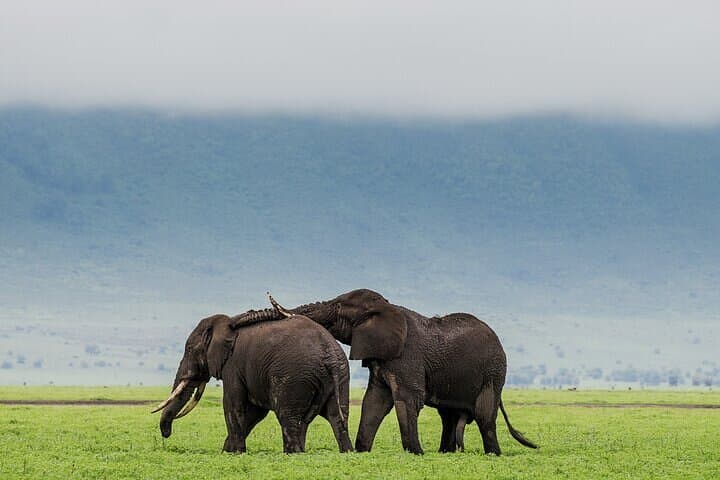
Dawn spills gold across the acacia-dotted plains as your safari vehicle eases through Tarangire’s baobab-lined lanes. The air tastes of dry grass and diesel; elephants move like deliberate shadows while guides scan horizons for a fleeting lion silhouette. Over three days you cross shifting ecosystems — riverine woodland, crater floor, and the green foothills below Kilimanjaro — each with its own rhythms and risks.
Verified experiences and guided adventures in the surrounding area.
Operated by kilipath African Safaris · Arusha, Arusha Region
Dawn spills gold across the acacia-dotted plains as your safari vehicle eases through Tarangire’s baobab-lined lanes. The air tastes of dry grass and diesel; elephants move like deliberate shadows while guides scan horizons for a fleeting lion silhouette. Over three days you cross shifting ecosystems — riverine woodland, crater floor, and the green foothills below Kilimanjaro — each with its own rhythms and risks.
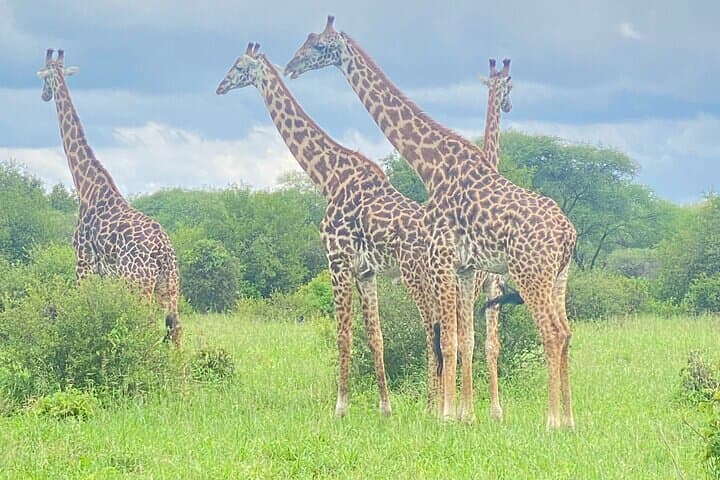
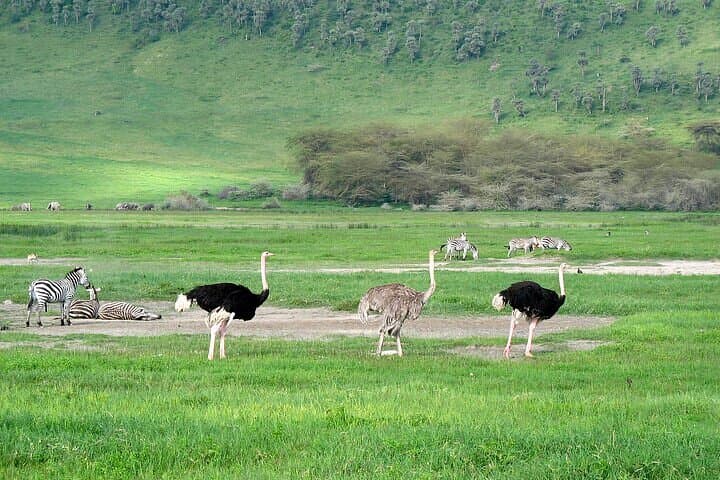
These landscapes are written by deep time: Tarangire’s rift-valley drainage and Ngorongoro’s collapsed volcano produce concentrated water and grazing that sustain dense populations of plains game. The Maasai people have lived alongside this geology for generations, and Materuni’s coffee farms reflect the highland soils nourished by volcanic ash. Cultural glimpses—village coffee-roasting, Maasai beadwork—frame wildlife viewing and remind visitors that parks are part of a larger human landscape.
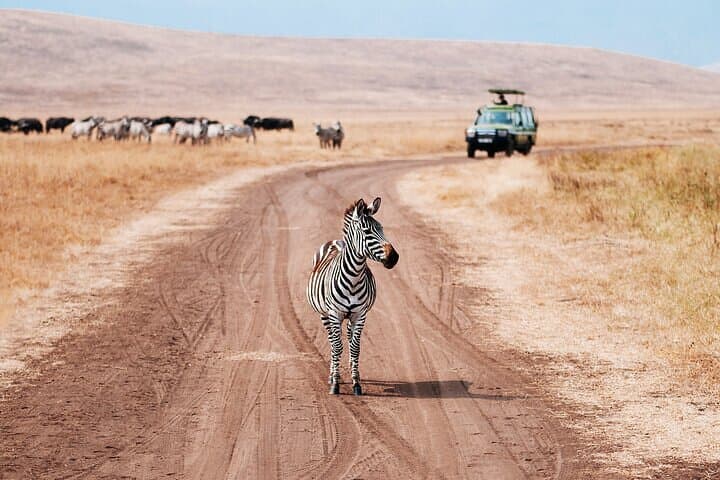
Practically: expect long game drives (hours on dusty tracks), early departures, and a moderate fitness requirement for short walks to Materuni Falls. Bring binoculars, layers for chilly crater mornings, and a camera with a telephoto lens. Respect park rules: stay in vehicles during game drives, keep noise low, and follow your guide’s instructions—predators and plains alike react to human behavior.
Plan for variable weather (cool mornings, hot afternoons), park fees and permit processing, and basic lodgings; this itinerary is compact but intentional, optimized for high-density wildlife viewing and a final cultural hike that tethers the trip to place. With common-sense prep—hydration, sun protection, patient pacing—you’ll leave with close animal encounters and a clearer sense of northern Tanzania’s living geology and cultures.
moderate.
3 days.
Moderate fitness: able to handle several hours in a vehicle, short hikes (Materuni Falls) and uneven paths.
The itinerary includes park game drives, most meals as listed (breakfasts, lunches, dinners), park fees where specified, and transfers per the trip notes; confirm specifics with the operator.
Expect multiple long drives between Arusha, Tarangire and Ngorongoro, typically several hours each day on paved and unpaved roads.
Accommodations are basic-to-comfortable safari lodges/camps; rooms typically offer private facilities but vary by property—check room details before booking.
Consult your travel health provider; malaria risk exists in northern Tanzania and routine vaccinations (e.g., yellow fever requirements depending on origin) should be checked.
Ngorongoro is a collapsed volcanic caldera whose fertile floor has supported wildlife and pastoralist Maasai communities for centuries; routes and grazing patterns reflect long-standing human–land relationships.
Park fees fund protection and local conservation; visitors should minimize waste, avoid disturbing wildlife, and support community-run experiences to ensure benefits reach local residents.
kilipath African Safaris operates guided outdoor trips and adventures with an emphasis on safety, stewardship, and memorable experiences.
Dawn spills gold across the acacia-dotted plains as your safari vehicle eases through Tarangire’s baobab-lined lanes. The air tastes of dry grass and diesel; elephants move like deliberate shadows while guides scan horizons for a fleeting lion silhouette. Over three days you cross shifting ecosystems — riverine woodland, crater floor, and the green foothills below Kilimanjaro — each with its own rhythms and risks.
Dawn spills gold across the acacia-dotted plains as your safari vehicle eases through Tarangire’s baobab-lined lanes. The air tastes of dry grass and diesel; elephants move like deliberate shadows while guides scan horizons for a fleeting lion silhouette. Over three days you cross shifting ecosystems — riverine woodland, crater floor, and the green foothills below Kilimanjaro — each with its own rhythms and risks.
These landscapes are written by deep time: Tarangire’s rift-valley drainage and Ngorongoro’s collapsed volcano produce concentrated water and grazing that sustain dense populations of plains game. The Maasai people have lived alongside this geology for generations, and Materuni’s coffee farms reflect the highland soils nourished by volcanic ash. Cultural glimpses—village coffee-roasting, Maasai beadwork—frame wildlife viewing and remind visitors that parks are part of a larger human landscape.
Practically: expect long game drives (hours on dusty tracks), early departures, and a moderate fitness requirement for short walks to Materuni Falls. Bring binoculars, layers for chilly crater mornings, and a camera with a telephoto lens. Respect park rules: stay in vehicles during game drives, keep noise low, and follow your guide’s instructions—predators and plains alike react to human behavior.
Plan for variable weather (cool mornings, hot afternoons), park fees and permit processing, and basic lodgings; this itinerary is compact but intentional, optimized for high-density wildlife viewing and a final cultural hike that tethers the trip to place. With common-sense prep—hydration, sun protection, patient pacing—you’ll leave with close animal encounters and a clearer sense of northern Tanzania’s living geology and cultures.