THE ADVENTURE COLLECTIVE® · Independent discovery and booking for outdoor travel

Three days of 4x4 travel and campsite nights take you from the palm-lined ridge of Bawiti into the basalt hollows of the Black Desert and the surreal chalk sculptures of the White Desert. Expect long drives, clear nights and dramatic geological contrasts.
Three days of 4x4 travel and campsite nights take you from the palm-lined ridge of Bawiti into the basalt hollows of the Black Desert and the surreal chalk sculptures of the White Desert. Expect long drives, clear nights and dramatic geological contrasts.
A late-afternoon sun slants across a low ring of black basalt and the road drops into a ribbon of green — palms, olive trees and irrigated fields that mark Bahariya Oasis. By dusk the 4x4s punch through wind-sculpted sand toward the Valley of El Haize, where hot springs steam and quartz-strewn ridges catch the last light; at night the White Desert’s chalk monoliths become surreal silhouettes under a wide, cold sky.
Verified experiences and guided adventures in the surrounding area.
Operated by WOW TOURS EGYPT · Bawiti, Giza Governorate
A late-afternoon sun slants across a low ring of black basalt and the road drops into a ribbon of green — palms, olive trees and irrigated fields that mark Bahariya Oasis. By dusk the 4x4s punch through wind-sculpted sand toward the Valley of El Haize, where hot springs steam and quartz-strewn ridges catch the last light; at night the White Desert’s chalk monoliths become surreal silhouettes under a wide, cold sky.
The Bahariya region has hosted human settlement since Pharaonic times — cemeteries, rock inscriptions and the nearby Valley of the Golden Mummies hint at long use of the oasis for agriculture and trade. Geologically the area is a study in contrast: basaltic “Black Desert” hills formed by ancient lava flows sit beside the wind-abraded, soft chalk of the White Desert, while crystalized quartz ridges at Crystal Mountain catch and fracture sunlight.
Culturally, villages like Bawiti are working oases; you’ll see date palms and small plots irrigated from underground aquifers that sustain local life. Local guides blend natural history and archaeology while driving the routes most suited to tents and evenings around a campfire.
Practical guidance: expect long drives over desert track, intermittent dune walking, and large temperature swings between day and night. Organized three-day safaris commonly provide sleeping tents, camel blankets, meals and bottled water, but bring layered clothing for cold nights, sturdy footwear for sand and rocks, sun protection and a headlamp. Hydrate proactively, follow your guide’s instructions near fragile formations, and schedule travel outside the midday heat for the most comfortable experience.
moderate.
3 days (≈72 hours).
Moderate fitness: comfortable walking on sand, short dune climbs and long vehicle transfers; mobile travelers will be fine.
Most itineraries are rated moderate: long vehicle drives with short to medium stretches of walking over sand and uneven ground; good mobility is helpful but technical climbing is not required.
Yes — organized safaris commonly provide camping equipment (tents, sleeping bags, camel blankets) and set up campsites in the White Desert or valley sites as part of the package.
Many tours include bottled or mineral water in vehicles and at camp; still carry additional water for hikes and personal needs.
Shoulder seasons (spring and fall) offer the most comfortable daytime temperatures; avoid peak summer midday heat and prepare for cold desert nights in winter.
Bahariya has been a farming and trade hub since ancient Egypt; nearby necropolises and finds like the Golden Mummies reflect long settlement.
White Desert’s chalk formations are vulnerable to erosion and human damage; stick to established campsites, pack out waste and avoid climbing on fragile sculptures.
WOW TOURS EGYPT operates guided outdoor trips and adventures with an emphasis on safety, stewardship, and memorable experiences.
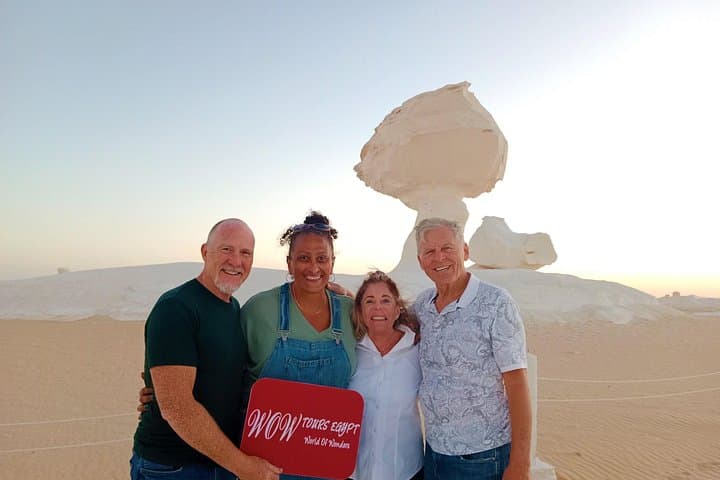
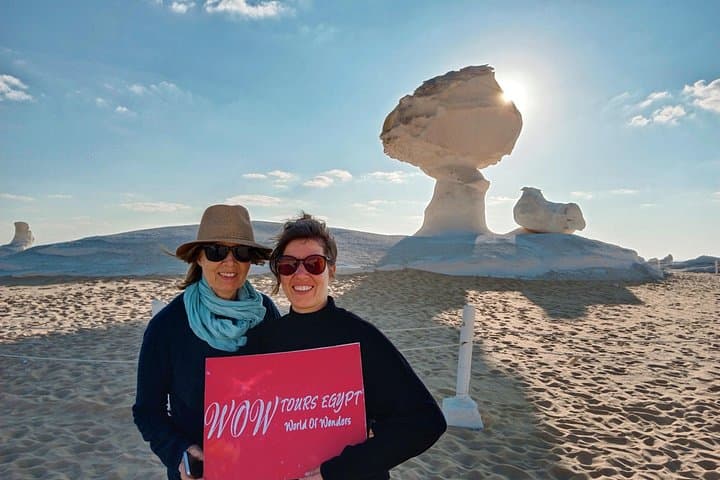
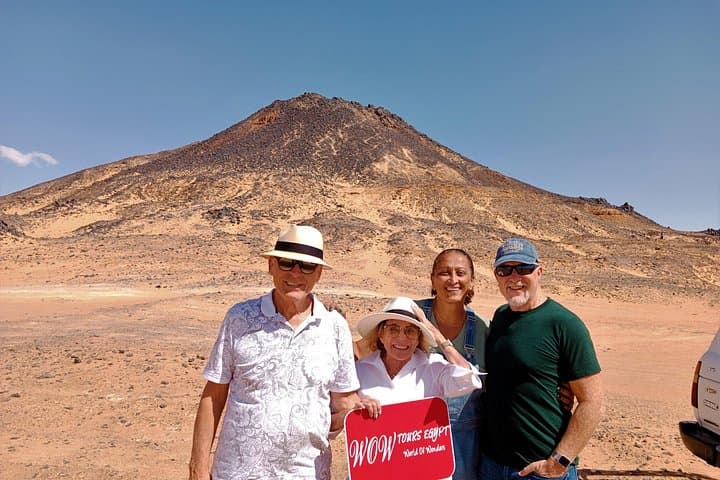
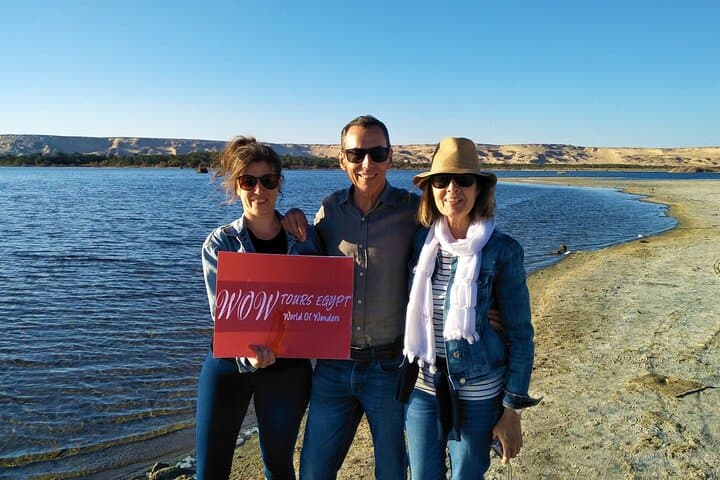
A late-afternoon sun slants across a low ring of black basalt and the road drops into a ribbon of green — palms, olive trees and irrigated fields that mark Bahariya Oasis. By dusk the 4x4s punch through wind-sculpted sand toward the Valley of El Haize, where hot springs steam and quartz-strewn ridges catch the last light; at night the White Desert’s chalk monoliths become surreal silhouettes under a wide, cold sky.
A late-afternoon sun slants across a low ring of black basalt and the road drops into a ribbon of green — palms, olive trees and irrigated fields that mark Bahariya Oasis. By dusk the 4x4s punch through wind-sculpted sand toward the Valley of El Haize, where hot springs steam and quartz-strewn ridges catch the last light; at night the White Desert’s chalk monoliths become surreal silhouettes under a wide, cold sky.
The Bahariya region has hosted human settlement since Pharaonic times — cemeteries, rock inscriptions and the nearby Valley of the Golden Mummies hint at long use of the oasis for agriculture and trade. Geologically the area is a study in contrast: basaltic “Black Desert” hills formed by ancient lava flows sit beside the wind-abraded, soft chalk of the White Desert, while crystalized quartz ridges at Crystal Mountain catch and fracture sunlight.
Culturally, villages like Bawiti are working oases; you’ll see date palms and small plots irrigated from underground aquifers that sustain local life. Local guides blend natural history and archaeology while driving the routes most suited to tents and evenings around a campfire.
Practical guidance: expect long drives over desert track, intermittent dune walking, and large temperature swings between day and night. Organized three-day safaris commonly provide sleeping tents, camel blankets, meals and bottled water, but bring layered clothing for cold nights, sturdy footwear for sand and rocks, sun protection and a headlamp. Hydrate proactively, follow your guide’s instructions near fragile formations, and schedule travel outside the midday heat for the most comfortable experience.