THE ADVENTURE COLLECTIVE® · Independent discovery and booking for outdoor travel

Spend three days in Mole National Park tracking elephants, watching baboons, and visiting community heritage sites. This compact safari combines morning drive safaris, guided walks, and cultural exchange to show northern Ghana’s wildlife and people.
Spend three days in Mole National Park tracking elephants, watching baboons, and visiting community heritage sites. This compact safari combines morning drive safaris, guided walks, and cultural exchange to show northern Ghana’s wildlife and people.
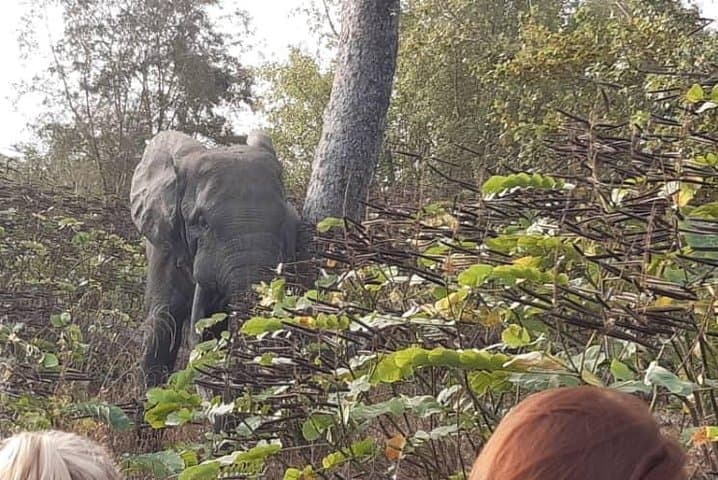
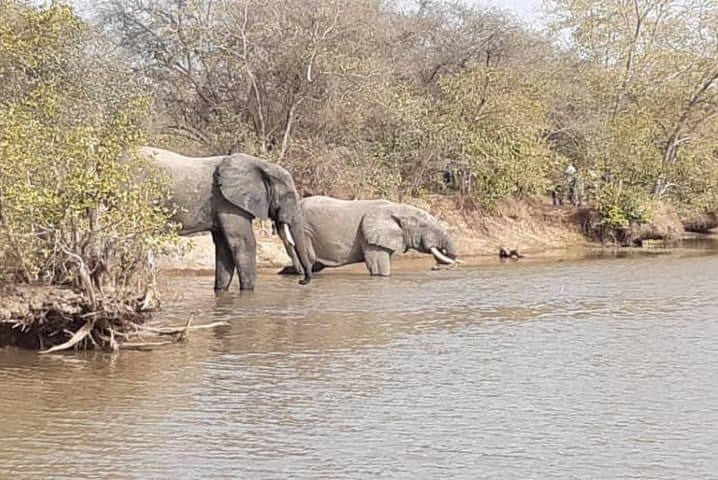
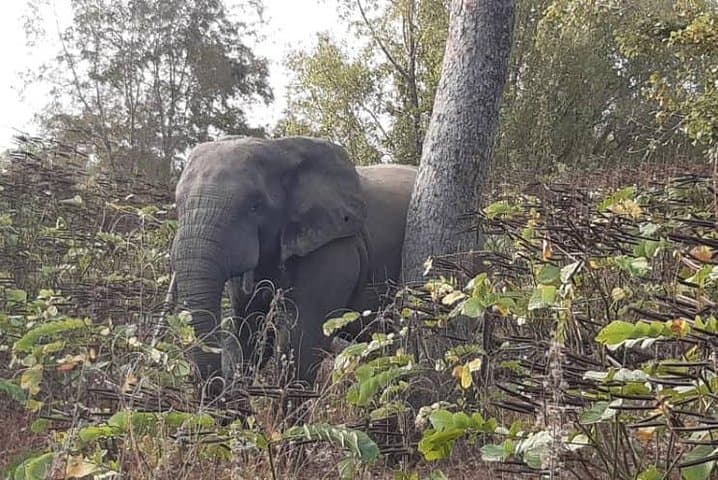
A heat-washed road curls away from Tamale and, within hours, the landscape opens into the dry woodlands of northern Ghana where termite mounds punctuate the horizon and the grasses whisper under an obliging breeze. At Mole National Park the light is blunt and honest; elephants move like slow decisions, and baboons announce themselves with a chorus that seems to belong to the place.
Verified experiences and guided adventures in the surrounding area.
Operated by Skyway Safari & Tours Ghana · Damongo, Savannah Region
A heat-washed road curls away from Tamale and, within hours, the landscape opens into the dry woodlands of northern Ghana where termite mounds punctuate the horizon and the grasses whisper under an obliging breeze. At Mole National Park the light is blunt and honest; elephants move like slow decisions, and baboons announce themselves with a chorus that seems to belong to the place.
The park, established in the 1950s to protect West Africa’s last large mammal populations, sits on Guinea Savannah soils cut by seasonal streams. Its human history is visible in nearby Larabanga’s 15th-century mud mosque and in community villages where oral histories map migration and trade across the region.
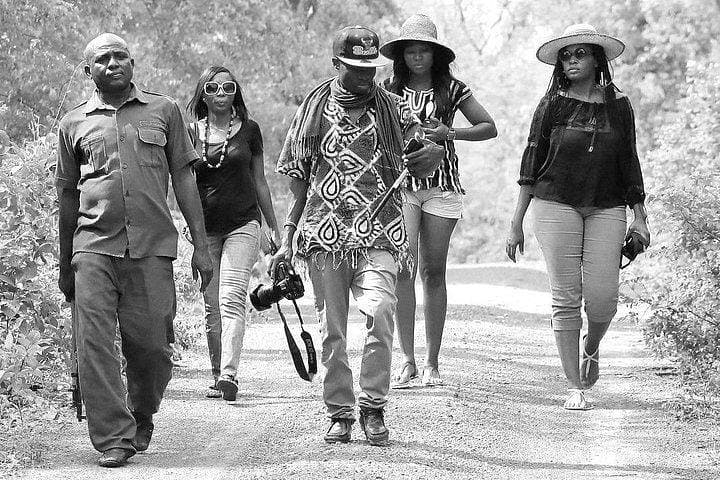
Over three days you’ll move between walking safaris at midday, early-morning drive safaris when predators and grazers are most active, and cultural visits to local eco-villages. Guides interpret spoor and bird calls while explaining conservation challenges—poaching pressure and the delicate balance between farming needs and protected land.
Practical edge: expect dusty tracks, midday heat, and insect life; time drives for dawn and late afternoon when animals congregate. Carry water, a lightweight long-sleeve for sun and mosquitoes, and binoculars for distant sightings. Lodging at Mole Motel is basic but close to access points; permit and park fees are typically included with guided tours.
Travelers should budget for bumpy drives and slow wildlife viewing—this is a place for patient observation rather than guaranteed sightings. With respect and preparation, Mole delivers close encounters with large mammals and a direct, human-scale connection to northern Ghana’s ecology and culture.
moderate.
3 days.
Moderate fitness to handle periodic walking safaris (up to a few hours) and transfers over unpaved roads.
Elephants are commonly seen on both walking and drive safaris in Mole, especially near water sources during dry months, but wildlife sightings cannot be guaranteed.
Yes—Mole is in a malaria zone; consult a travel clinic about prophylaxis and use mosquito repellent and nets where provided.
Accommodations like Mole Motel are basic and comfortable with essential services; expect simple amenities and proximity to park gates.
Many 3-day tours include park admission, local guide fees, and private transport; confirm details with the operator before booking.
Mole was designated as a wildlife reserve in the mid-20th century to protect large mammal populations and later upgraded to a national park to strengthen conservation efforts.
Local conservation focuses on anti-poaching patrols and community-based tourism to balance livelihoods with habitat protection; visitor fees often support these initiatives.
Skyway Safari & Tours Ghana operates guided outdoor trips and adventures with an emphasis on safety, stewardship, and memorable experiences.
A heat-washed road curls away from Tamale and, within hours, the landscape opens into the dry woodlands of northern Ghana where termite mounds punctuate the horizon and the grasses whisper under an obliging breeze. At Mole National Park the light is blunt and honest; elephants move like slow decisions, and baboons announce themselves with a chorus that seems to belong to the place.
A heat-washed road curls away from Tamale and, within hours, the landscape opens into the dry woodlands of northern Ghana where termite mounds punctuate the horizon and the grasses whisper under an obliging breeze. At Mole National Park the light is blunt and honest; elephants move like slow decisions, and baboons announce themselves with a chorus that seems to belong to the place.
The park, established in the 1950s to protect West Africa’s last large mammal populations, sits on Guinea Savannah soils cut by seasonal streams. Its human history is visible in nearby Larabanga’s 15th-century mud mosque and in community villages where oral histories map migration and trade across the region.
Over three days you’ll move between walking safaris at midday, early-morning drive safaris when predators and grazers are most active, and cultural visits to local eco-villages. Guides interpret spoor and bird calls while explaining conservation challenges—poaching pressure and the delicate balance between farming needs and protected land.
Practical edge: expect dusty tracks, midday heat, and insect life; time drives for dawn and late afternoon when animals congregate. Carry water, a lightweight long-sleeve for sun and mosquitoes, and binoculars for distant sightings. Lodging at Mole Motel is basic but close to access points; permit and park fees are typically included with guided tours.
Travelers should budget for bumpy drives and slow wildlife viewing—this is a place for patient observation rather than guaranteed sightings. With respect and preparation, Mole delivers close encounters with large mammals and a direct, human-scale connection to northern Ghana’s ecology and culture.