THE ADVENTURE COLLECTIVE® · Independent discovery and booking for outdoor travel

A compact 3-day journey through the Sacred Valley and the Short Inca Trail delivers dramatic Inca sites, a day’s strenuous uphill hiking to Wiñay Wayna and the Sun Gate, and early access to Machu Picchu. Ideal for travelers with moderate fitness and a day to spare for acclimatization.
A compact 3-day journey through the Sacred Valley and the Short Inca Trail delivers dramatic Inca sites, a day’s strenuous uphill hiking to Wiñay Wayna and the Sun Gate, and early access to Machu Picchu. Ideal for travelers with moderate fitness and a day to spare for acclimatization.
Dawn in the Sacred Valley has a crisp edge: terraced slopes catch first light while the Urubamba River pushes itself through the canyon below. On the first morning, a guide meets the group in Cusco and drives down into farming villages where llamas graze and stonework keeps centuries of Inca engineering visible at every turn.
Verified experiences and guided adventures in the surrounding area.
Operated by Machupicchu Latin America · Cusco, Cusco
Dawn in the Sacred Valley has a crisp edge: terraced slopes catch first light while the Urubamba River pushes itself through the canyon below. On the first morning, a guide meets the group in Cusco and drives down into farming villages where llamas graze and stonework keeps centuries of Inca engineering visible at every turn.
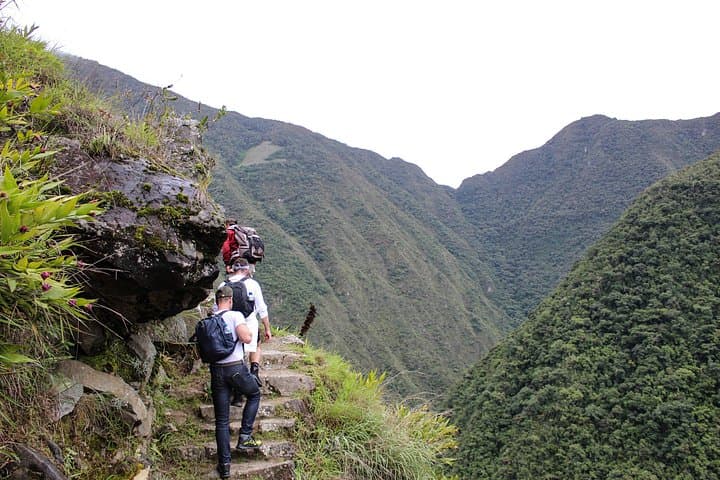
The route stitches together history and geology — from Pisac’s agricultural terraces carved into steep volcanic soils, to Ollantaytambo’s massive quarry-like steps exemplifying Inca masons’ control of hard rock. The Short Inca Trail begins near KM 104 and climbs a well-trodden path through cloud forest, past Chachabamba’s fountains and the dense, mossy walls that preserve ancient water channels.
Culturally, the trail is threaded with living Quechua traditions: market stalls at Pisac, the textile patterns of local families, and the spiritual geography tied to mountain deities. Geologically, the corridor sits on folded Andean strata; the walk alternates stair-steep sections with grassy terraces and views of sharp ridgelines.
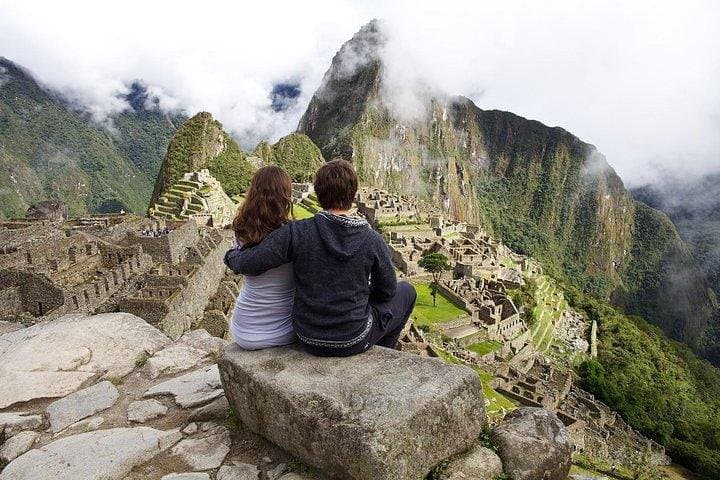
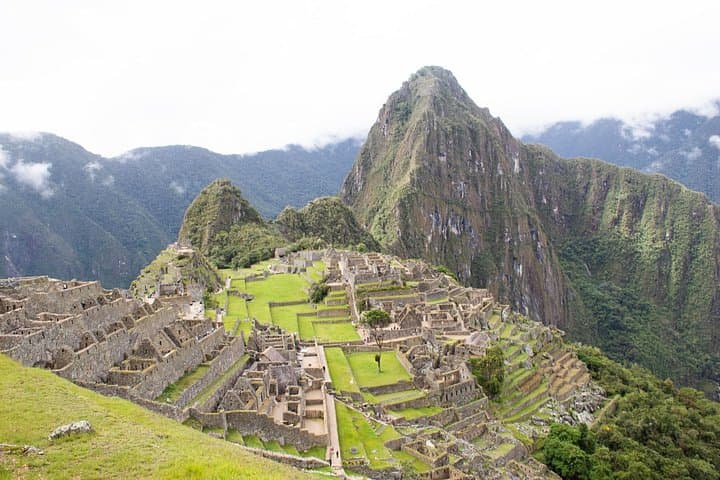
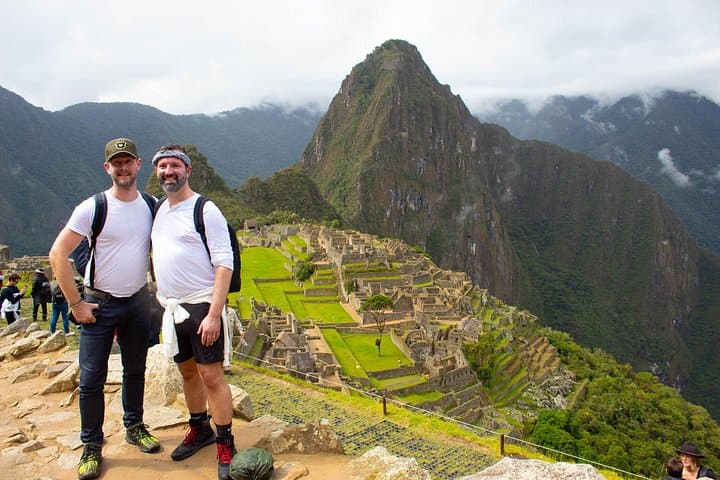
Practically, this is a compact multi-day trek—about 8 km on the main hiking day with significant stairs and roughly 1,500 ft of descent/ascent in places—best suited for hikers with moderate fitness who have allowed 48–72 hours in the region. Expect early starts, a boxed lunch on the trail, an overnight in Aguas Calientes, and a guided sunrise visit to Machu Picchu. Bring sturdy footwear, layered clothing for morning chill and midday sun, and allow at least one acclimatization day in Cusco to reduce altitude effects. The payoff is the Sun Gate reveal: the citadel unspools below, quiet and suddenly immense.
moderate.
3 days.
Moderate cardiovascular fitness; able to walk 4–6 hours with stair climbs at altitude
Yes — access to the official Inca Trail corridor and Machu Picchu is regulated; this short 2-day segment still requires entry tickets and train reservations, so book in advance.
Expect about 8 km and roughly 4 hours of mostly uphill walking with many steps to reach Wiñay Wayna and the Sun Gate; it’s strenuous but doable for those with moderate fitness.
The dry season (May–September) offers clearer skies and firmer trails; the rainy season (Dec–Mar) has fewer crowds but wet paths and occasional closures.
Yes — Cusco sits around 3,400 m (11,200 ft); plan a rest day in town, hydrate, and avoid heavy alcohol to minimize altitude effects before hiking.
The trail and valley were central to Inca administration and agriculture; Ollantaytambo retains original urban planning and living Inca-era structures.
Visitor numbers are managed to protect fragile trails and archaeological sites; stick to marked paths, carry out waste, and respect local cultural sites.
Machupicchu Latin America operates guided outdoor trips and adventures with an emphasis on safety, stewardship, and memorable experiences.
Dawn in the Sacred Valley has a crisp edge: terraced slopes catch first light while the Urubamba River pushes itself through the canyon below. On the first morning, a guide meets the group in Cusco and drives down into farming villages where llamas graze and stonework keeps centuries of Inca engineering visible at every turn.
Dawn in the Sacred Valley has a crisp edge: terraced slopes catch first light while the Urubamba River pushes itself through the canyon below. On the first morning, a guide meets the group in Cusco and drives down into farming villages where llamas graze and stonework keeps centuries of Inca engineering visible at every turn.
The route stitches together history and geology — from Pisac’s agricultural terraces carved into steep volcanic soils, to Ollantaytambo’s massive quarry-like steps exemplifying Inca masons’ control of hard rock. The Short Inca Trail begins near KM 104 and climbs a well-trodden path through cloud forest, past Chachabamba’s fountains and the dense, mossy walls that preserve ancient water channels.
Culturally, the trail is threaded with living Quechua traditions: market stalls at Pisac, the textile patterns of local families, and the spiritual geography tied to mountain deities. Geologically, the corridor sits on folded Andean strata; the walk alternates stair-steep sections with grassy terraces and views of sharp ridgelines.
Practically, this is a compact multi-day trek—about 8 km on the main hiking day with significant stairs and roughly 1,500 ft of descent/ascent in places—best suited for hikers with moderate fitness who have allowed 48–72 hours in the region. Expect early starts, a boxed lunch on the trail, an overnight in Aguas Calientes, and a guided sunrise visit to Machu Picchu. Bring sturdy footwear, layered clothing for morning chill and midday sun, and allow at least one acclimatization day in Cusco to reduce altitude effects. The payoff is the Sun Gate reveal: the citadel unspools below, quiet and suddenly immense.