THE ADVENTURE COLLECTIVE® · Independent discovery and booking for outdoor travel

A focused 3-day trekking route on the Rwenzori’s lower flanks that reaches Sine Camp and Enock Falls—expect steep forest climbs, hut stays, and close encounters with montane flora and wildlife.
A focused 3-day trekking route on the Rwenzori’s lower flanks that reaches Sine Camp and Enock Falls—expect steep forest climbs, hut stays, and close encounters with montane flora and wildlife.
Dawn on the Rwenzori feels urgent: clouds press low against moss-draped trunks and the trail peels upward through a green world that breathes and moves. On day two, hikers leave the basecamp at roughly 1,450 m and climb into Afro-montane forest—a steady six-kilometer push that ends at Sine Camp, perched near 2,596 m and a short stair to Enock Falls.
Verified experiences and guided adventures in the surrounding area.
Operated by Forever Africa Safari · Kasese, Western Region
Dawn on the Rwenzori feels urgent: clouds press low against moss-draped trunks and the trail peels upward through a green world that breathes and moves. On day two, hikers leave the basecamp at roughly 1,450 m and climb into Afro-montane forest—a steady six-kilometer push that ends at Sine Camp, perched near 2,596 m and a short stair to Enock Falls.
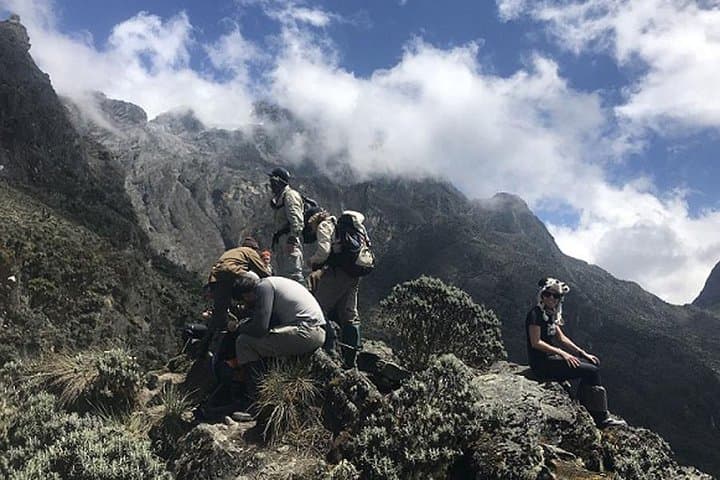
The Rwenzori range, carved by uplifted tectonic forces and persistent glaciation, holds peaks that rise abruptly from equatorial plains. Centuries of human knowledge—Toro and Bakonzo traditions—map the mountains in place names and stories tied to water, weather, and sacred summits. Vegetation zones shift fast here: bamboo and giant lobelia give way to heath and eventual alpine beds as elevation climbs. Wildlife is shy but present: colobus monkeys and a host of montane birds call the canopy home; waterfalls and melt-fed streams dazzle the eye and demand respect.
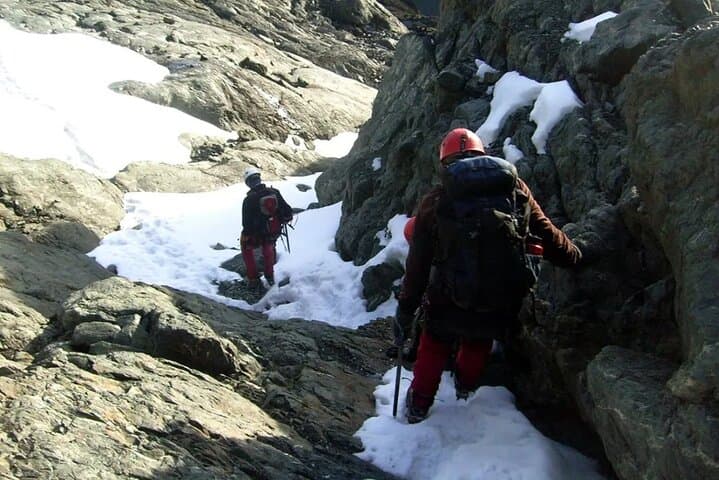
Practically, this is a demanding multi-day trek with narrow, often muddy trails, steep sections, and daily gains near 1,100 m on the approach day. Expect 5–6 hours of walking each trekking day, simple hut accommodation at Sine, and guide-led river crossings by Enock Falls. Hydration, layered waterproof clothing, and steady footwear are non-negotiable; altitude awareness matters even below the highest summits. Start early to avoid afternoon rain, keep a compact daypack, and plan for limited phone signal and basic facilities.
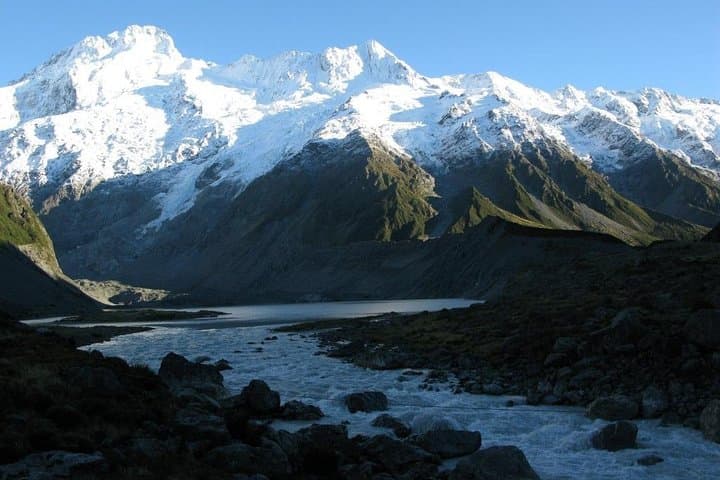
The reward is straightforward: close-up glaciers on distant peaks, a chorus of forest birds, and the raw presence of a mountain range that still challenges and surprises.
challenging.
3 days.
Requires high aerobic fitness and endurance for sustained uphill hiking and multi-day loads
You should have high cardiovascular fitness and prior experience with full-day hikes; expect 5–6 hours of walking with elevation gain and uneven terrain.
Local guides lead the trek and lodgings are arranged; porter services may be available through the operator—confirm before booking.
Sine Camp offers basic hut accommodation with communal sleeping areas and simple facilities; bring a warm sleeping bag and small essentials.
Sine Camp is around 2,600 m—altitude effects are possible; acclimatize, stay hydrated, and inform guides of any symptoms.
The Rwenzori have cultural significance for Bakonzo communities and were mapped by European explorers in the early 20th century during glacial surveys.
Rwenzori is a protected national park with sensitive alpine habitats—stay on trails, pack out waste, and support local guides to reduce impact.
Forever Africa Safari operates guided outdoor trips and adventures with an emphasis on safety, stewardship, and memorable experiences.
Dawn on the Rwenzori feels urgent: clouds press low against moss-draped trunks and the trail peels upward through a green world that breathes and moves. On day two, hikers leave the basecamp at roughly 1,450 m and climb into Afro-montane forest—a steady six-kilometer push that ends at Sine Camp, perched near 2,596 m and a short stair to Enock Falls.
Dawn on the Rwenzori feels urgent: clouds press low against moss-draped trunks and the trail peels upward through a green world that breathes and moves. On day two, hikers leave the basecamp at roughly 1,450 m and climb into Afro-montane forest—a steady six-kilometer push that ends at Sine Camp, perched near 2,596 m and a short stair to Enock Falls.
The Rwenzori range, carved by uplifted tectonic forces and persistent glaciation, holds peaks that rise abruptly from equatorial plains. Centuries of human knowledge—Toro and Bakonzo traditions—map the mountains in place names and stories tied to water, weather, and sacred summits. Vegetation zones shift fast here: bamboo and giant lobelia give way to heath and eventual alpine beds as elevation climbs. Wildlife is shy but present: colobus monkeys and a host of montane birds call the canopy home; waterfalls and melt-fed streams dazzle the eye and demand respect.
Practically, this is a demanding multi-day trek with narrow, often muddy trails, steep sections, and daily gains near 1,100 m on the approach day. Expect 5–6 hours of walking each trekking day, simple hut accommodation at Sine, and guide-led river crossings by Enock Falls. Hydration, layered waterproof clothing, and steady footwear are non-negotiable; altitude awareness matters even below the highest summits. Start early to avoid afternoon rain, keep a compact daypack, and plan for limited phone signal and basic facilities.
The reward is straightforward: close-up glaciers on distant peaks, a chorus of forest birds, and the raw presence of a mountain range that still challenges and surprises.