THE ADVENTURE COLLECTIVE® · Independent discovery and booking for outdoor travel

Traverse volcanic passes from Kigali, cross into Uganda, and track mountain gorillas in Bwindi’s Rushaga sector. This three-day circuit combines dramatic landscapes, cultural visits, and a guided gorilla encounter.
Traverse volcanic passes from Kigali, cross into Uganda, and track mountain gorillas in Bwindi’s Rushaga sector. This three-day circuit combines dramatic landscapes, cultural visits, and a guided gorilla encounter.
Morning light slices across volcanic slopes as an air-conditioned jeep winds out of Kigali toward the border. By mid-afternoon the road gives way to forested hills where mist gathers in the trees and the air carries a damp, green scent — this is the approach to Bwindi’s Rushaga sector, where gorilla families move through the understory like slow-moving weather.
Verified experiences and guided adventures in the surrounding area.
Operated by Bujuku Eco Tours & Travel Ltd · Kisoro, Kanungu District
Morning light slices across volcanic slopes as an air-conditioned jeep winds out of Kigali toward the border. By mid-afternoon the road gives way to forested hills where mist gathers in the trees and the air carries a damp, green scent — this is the approach to Bwindi’s Rushaga sector, where gorilla families move through the understory like slow-moving weather.
Bwindi Impenetrable Forest is ancient: a patch of montane rainforest shaped by Rift Valley uplift and volcanic activity, now a UNESCO site that supports some of the last mountain gorillas in the world. The route from Kigali crosses cultural landscapes—Rwandan terraced farms, Musanze’s volcanic ramparts, and Kisoro’s patchwork of lakes—before slipping into Ugandan rain forest and community settlements that rely on responsible tourism.
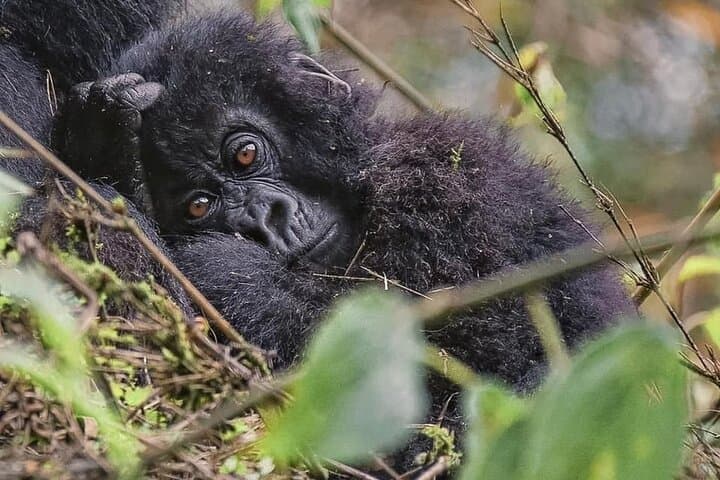
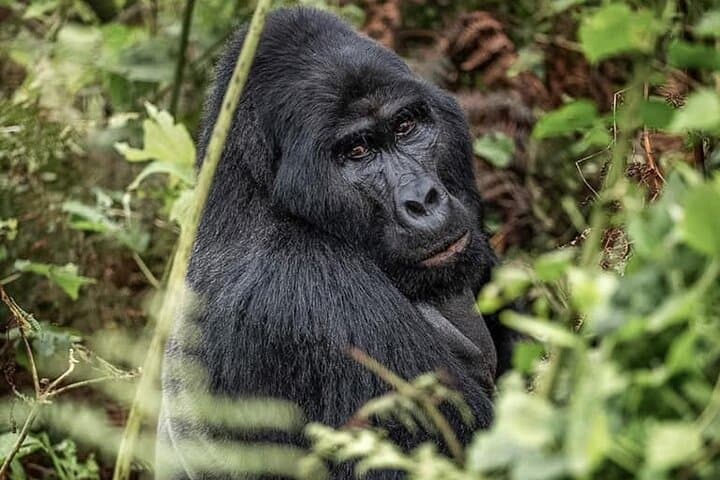
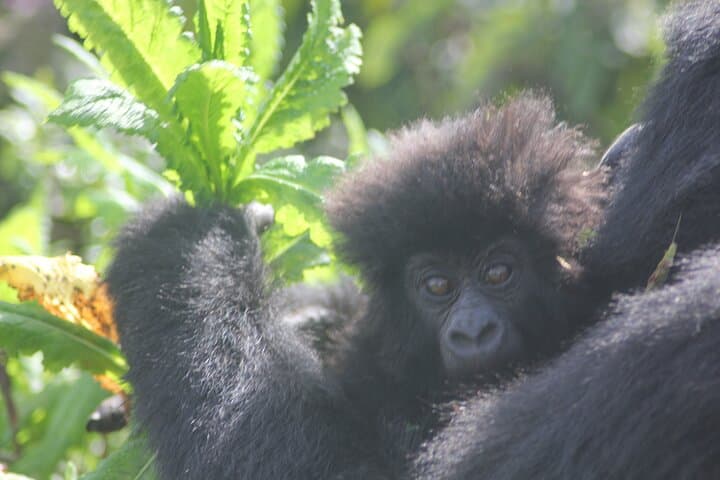
The trek itself is pragmatic: morning briefings at park headquarters, a guided walk through steep, muddy trails, and a one-hour encounter with a habituated gorilla family under strict rules—no flash, keep distance, and move slowly. Expect between 2 and 8 hours on foot depending on the family’s location; the rhythm is often slow and punctuated by stops to watch a silverback rest or juveniles forage.
Practical planning matters—permits are required and limited, boots with ankle support will save you sore feet, and layered rain gear keeps the day usable when the forest turns wet. Bring water, patience, and light camera gear; the visit supports both conservation and nearby communities, making each step in the forest both an adventure and a direct contribution to protection.
moderate.
3 days (trekking 2–8 hours).
Moderate fitness recommended: you should be comfortable hiking uneven, sometimes steep terrain for several hours with periodic breaks.
Yes—gorilla permits are required, limited, and managed by park authorities; tours typically include the permit in the price.
Trekking can take between 2 and 8 hours depending on where the family is located; the one-hour viewing limit is strictly enforced.
Photography is allowed but no flash; guides will remind you to keep distance and avoid sudden movements.
Not recommended for very young children, pregnant travelers, or people with severe back/spinal issues due to rough terrain and potentially long hikes.
Bwindi’s forest survived glacial shifts and volcanic uplift, becoming a biodiversity refuge; it gained UNESCO recognition for its unique montane ecosystem and endemic species.
Visitor fees and limited permits fund anti-poaching patrols and community projects; stick to designated trails and follow guide instructions to minimize disturbance.
Bujuku Eco Tours & Travel Ltd operates guided outdoor trips and adventures with an emphasis on safety, stewardship, and memorable experiences.
Morning light slices across volcanic slopes as an air-conditioned jeep winds out of Kigali toward the border. By mid-afternoon the road gives way to forested hills where mist gathers in the trees and the air carries a damp, green scent — this is the approach to Bwindi’s Rushaga sector, where gorilla families move through the understory like slow-moving weather.
Morning light slices across volcanic slopes as an air-conditioned jeep winds out of Kigali toward the border. By mid-afternoon the road gives way to forested hills where mist gathers in the trees and the air carries a damp, green scent — this is the approach to Bwindi’s Rushaga sector, where gorilla families move through the understory like slow-moving weather.
Bwindi Impenetrable Forest is ancient: a patch of montane rainforest shaped by Rift Valley uplift and volcanic activity, now a UNESCO site that supports some of the last mountain gorillas in the world. The route from Kigali crosses cultural landscapes—Rwandan terraced farms, Musanze’s volcanic ramparts, and Kisoro’s patchwork of lakes—before slipping into Ugandan rain forest and community settlements that rely on responsible tourism.
The trek itself is pragmatic: morning briefings at park headquarters, a guided walk through steep, muddy trails, and a one-hour encounter with a habituated gorilla family under strict rules—no flash, keep distance, and move slowly. Expect between 2 and 8 hours on foot depending on the family’s location; the rhythm is often slow and punctuated by stops to watch a silverback rest or juveniles forage.
Practical planning matters—permits are required and limited, boots with ankle support will save you sore feet, and layered rain gear keeps the day usable when the forest turns wet. Bring water, patience, and light camera gear; the visit supports both conservation and nearby communities, making each step in the forest both an adventure and a direct contribution to protection.