THE ADVENTURE COLLECTIVE® · Independent discovery and booking for outdoor travel

Spend three days camping on the River Kwai and tracing the history of the Death Railway. This immersive tour blends WWII sites, a Mon tribal village visit, short jungle treks and nights by the river.
Spend three days camping on the River Kwai and tracing the history of the Death Railway. This immersive tour blends WWII sites, a Mon tribal village visit, short jungle treks and nights by the river.
You arrive in the low light before dawn, the Kwai pushing a cool breath across the river and the camp lanterns trembling in the humidity. The first morning starts with a quiet bike ride across a suspended bridge and alms-giving at a small temple; by night you sleep beside the river, the current and insects composing the only soundtrack.
Verified experiences and guided adventures in the surrounding area.
Operated by Tour East Thailand · Kanchanaburi, Kanchanaburi Province
You arrive in the low light before dawn, the Kwai pushing a cool breath across the river and the camp lanterns trembling in the humidity. The first morning starts with a quiet bike ride across a suspended bridge and alms-giving at a small temple; by night you sleep beside the river, the current and insects composing the only soundtrack.
The route traces a raw chapter of Southeast Asian history: the Thailand–Burma Railway and the Bridge over the River Kwai were built under wartime conditions and remain visible in cut rock, rusted rails and memorial cemeteries. Geologically the valley is carved from sedimentary layers and limestone outcrops, wrapped in monsoon forest that can shift overnight from dusty heat to sudden rain. Cultural notes come from the Mon villagers near the Thai–Myanmar border — their weaving, food and daily rituals offer a direct, human counterpoint to the wartime sites.
Expect active, simple camping at Kintok/Hintok River camps and jungle rafts, short guided treks (uneven trail, muddy after rain), a train crossing of the historic line, and visits to Hellfire Pass and POW cemetery. Practical details: bring a lightweight rain jacket, insect protection, sturdy shoes, and a small headlamp; transfers from Bangkok are long and traffic-dependent, so plan buffer time. Be prepared for basic facilities and an emphasis on low-impact travel: pack out trash, support local guides, and leave the memorial sites as you found them.
moderate.
3 days.
Suitable for travelers in reasonable health; requires comfort with short hikes, uneven terrain and basic camping.
Children aged 3 and up can join; child rates apply for ages 3–12 if sharing a parent’s room, but expect basic facilities and active days.
Walks are short to moderate on uneven jungle trails and former rail beds—good mobility and stable footwear are sufficient.
Two nights’ accommodation is included at river camps and jungle raft-style lodging with simple facilities; bedding provided but conditions are rustic.
Most meals listed (breakfast, lunches, dinners) are included; transfers from Bangkok are provided but durations vary with traffic.
The Thailand–Burma Railway was built during WWII by Allied prisoners and forced labor; the Bridge over the River Kwai and Hellfire Pass are central memorial sites documenting that history.
Visitors are encouraged to minimize waste, avoid single-use plastics, and follow guide instructions to protect fragile river banks and memorial areas.
Tour East Thailand operates guided outdoor trips and adventures with an emphasis on safety, stewardship, and memorable experiences.
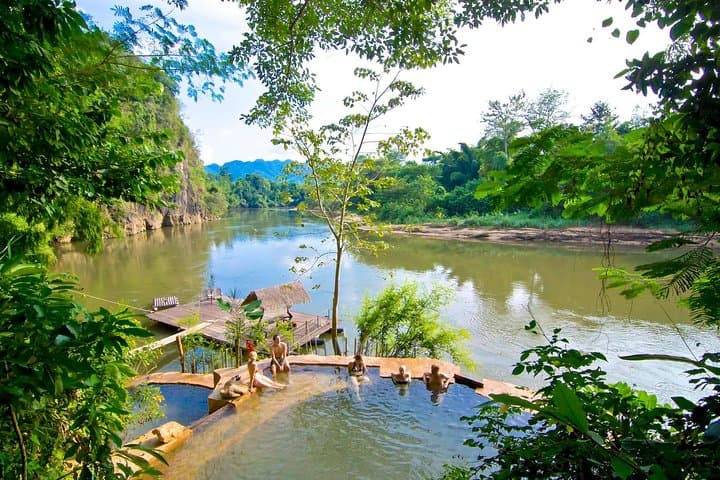
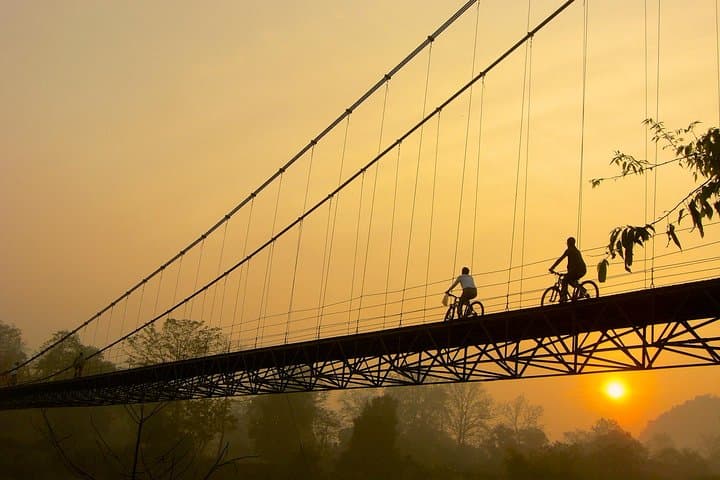
You arrive in the low light before dawn, the Kwai pushing a cool breath across the river and the camp lanterns trembling in the humidity. The first morning starts with a quiet bike ride across a suspended bridge and alms-giving at a small temple; by night you sleep beside the river, the current and insects composing the only soundtrack.
You arrive in the low light before dawn, the Kwai pushing a cool breath across the river and the camp lanterns trembling in the humidity. The first morning starts with a quiet bike ride across a suspended bridge and alms-giving at a small temple; by night you sleep beside the river, the current and insects composing the only soundtrack.
The route traces a raw chapter of Southeast Asian history: the Thailand–Burma Railway and the Bridge over the River Kwai were built under wartime conditions and remain visible in cut rock, rusted rails and memorial cemeteries. Geologically the valley is carved from sedimentary layers and limestone outcrops, wrapped in monsoon forest that can shift overnight from dusty heat to sudden rain. Cultural notes come from the Mon villagers near the Thai–Myanmar border — their weaving, food and daily rituals offer a direct, human counterpoint to the wartime sites.
Expect active, simple camping at Kintok/Hintok River camps and jungle rafts, short guided treks (uneven trail, muddy after rain), a train crossing of the historic line, and visits to Hellfire Pass and POW cemetery. Practical details: bring a lightweight rain jacket, insect protection, sturdy shoes, and a small headlamp; transfers from Bangkok are long and traffic-dependent, so plan buffer time. Be prepared for basic facilities and an emphasis on low-impact travel: pack out trash, support local guides, and leave the memorial sites as you found them.