THE ADVENTURE COLLECTIVE® · Independent discovery and booking for outdoor travel

Three days of steep climbs, crater rims and a sunrise summit at 3,726 m—this Sembalun-to-Senaru trek combines alpine ridgelines, Segara Anak’s crater lake and restorative hot springs. Read on for what to expect and how to prepare.
Three days of steep climbs, crater rims and a sunrise summit at 3,726 m—this Sembalun-to-Senaru trek combines alpine ridgelines, Segara Anak’s crater lake and restorative hot springs. Read on for what to expect and how to prepare.
You stand on Sembalun’s high meadow at dawn, cool wind pushing across tall grasses, the volcano’s ridge carving sky into jagged teeth. The first day climbs through open savannah and eroding volcanic scree to the Sembalun crater rim (≈2,639 m), where tents ring the summit ridge and the air smells faintly of sulfur and wet earth.
Verified experiences and guided adventures in the surrounding area.
Operated by Cakrawala Rinjani Trekking · Senaru, West Nusa Tenggara
You stand on Sembalun’s high meadow at dawn, cool wind pushing across tall grasses, the volcano’s ridge carving sky into jagged teeth. The first day climbs through open savannah and eroding volcanic scree to the Sembalun crater rim (≈2,639 m), where tents ring the summit ridge and the air smells faintly of sulfur and wet earth.
Mount Rinjani is an active stratovolcano and the island’s second-highest peak at 3,726 m. Its crater holds Segara Anak, a deep turquoise lake that local Sasak and Balinese communities consider sacred; the rim and trails show the island’s volcanic geology—pumice, lava flows and steep ash slopes shaped by repeated eruptions.
On the night-before-dawn summit push you move slow and steady; the mountain tests lungs and will, then rewards with panoramic views over Lombok, Bali and Sumbawa. The descent drops to Segara Anak where hot springs bubble along the lake shore and steam dares you to soak away sore muscles. The last day threads through montane rainforest to Senaru village (≈601 m), where waterfalls and village life reintroduce you to lower-elevation humidity.
Practical guidance: expect long days—roughly 6–10 hours of walking daily with a 2–4 hour summit ascent at high altitude. Bring layered insulation for sub-freezing summit temps, a reliable headlamp for the pre-dawn push, and footwear with good traction for volcanic scree. Guides, porters, basic camping gear and national park permits are standard on organized 3D/2N itineraries; acclimatize if you’ve recently come from sea level. Respect the lake and hot springs—stay on marked routes and pack out waste so future teams can follow the same trail.
challenging.
3 days.
Good cardiovascular fitness and strong legs; previous multi-day trekking experience or regular hill training recommended
This package typically includes the national park entrance and trekking permit (the itinerary lists the park fee as part of inclusions). Confirm at booking for full details.
The summit day is the most demanding: a night start, sustained climb to 3,726 m and thin air—expect 3–6 hours ascent depending on pace and conditions.
Organized treks commonly provide tents, sleeping bags and basic mattresses; check the operator’s gear list if you prefer your own equipment.
The dry season (roughly May–October) offers the most stable conditions and clear summit views; wet season trails can be slippery and hot-spring access impacted.
Rinjani is an active stratovolcano and a focal point in Sasak and Balinese culture; Segara Anak lake is considered sacred and sits within a caldera formed by past eruptions.
Rinjani sits inside a national park—stick to trails, minimize campfire impacts, and pack out waste to protect fragile alpine vegetation and the sacred lake.
Cakrawala Rinjani Trekking operates guided outdoor trips and adventures with an emphasis on safety, stewardship, and memorable experiences.
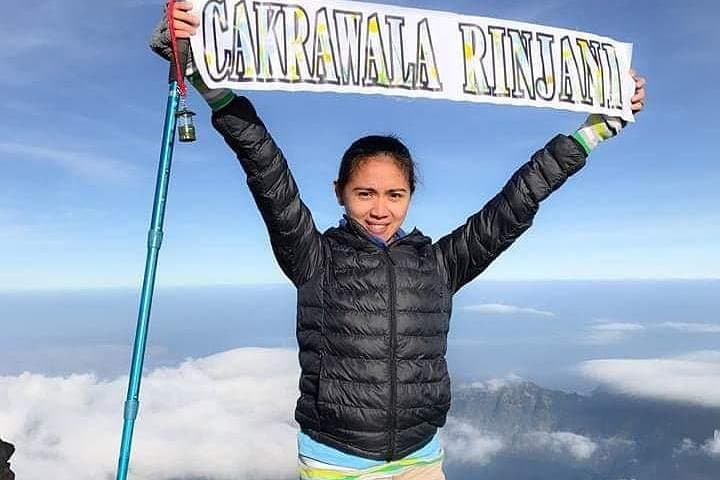
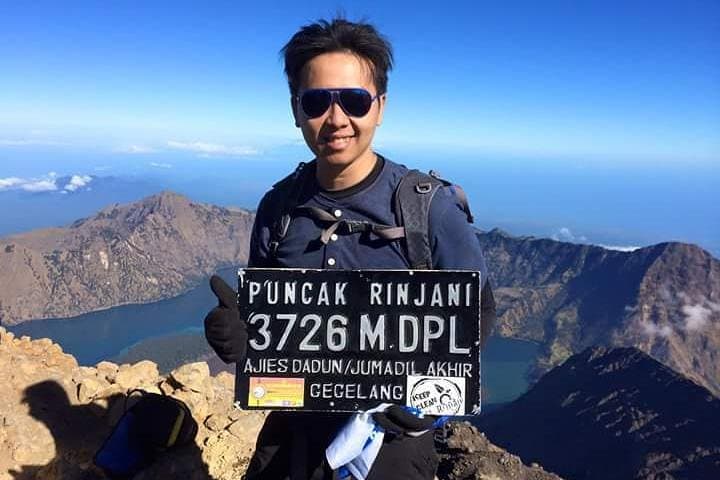
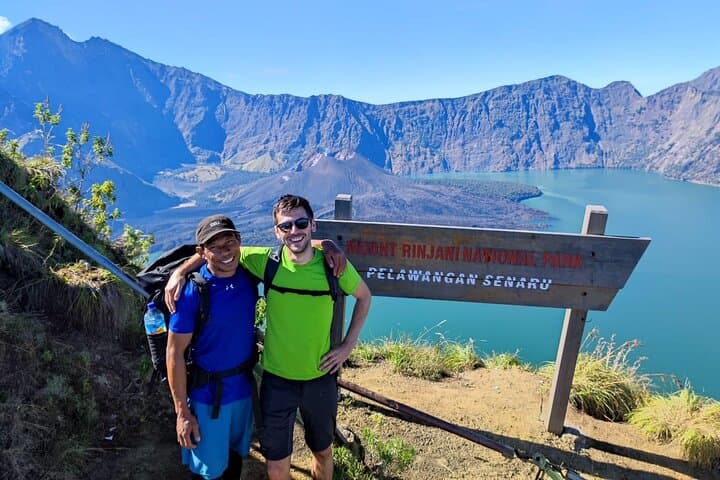
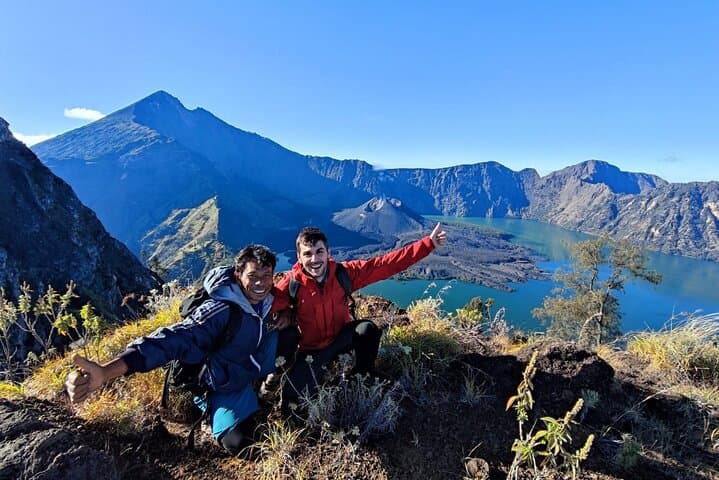
You stand on Sembalun’s high meadow at dawn, cool wind pushing across tall grasses, the volcano’s ridge carving sky into jagged teeth. The first day climbs through open savannah and eroding volcanic scree to the Sembalun crater rim (≈2,639 m), where tents ring the summit ridge and the air smells faintly of sulfur and wet earth.
You stand on Sembalun’s high meadow at dawn, cool wind pushing across tall grasses, the volcano’s ridge carving sky into jagged teeth. The first day climbs through open savannah and eroding volcanic scree to the Sembalun crater rim (≈2,639 m), where tents ring the summit ridge and the air smells faintly of sulfur and wet earth.
Mount Rinjani is an active stratovolcano and the island’s second-highest peak at 3,726 m. Its crater holds Segara Anak, a deep turquoise lake that local Sasak and Balinese communities consider sacred; the rim and trails show the island’s volcanic geology—pumice, lava flows and steep ash slopes shaped by repeated eruptions.
On the night-before-dawn summit push you move slow and steady; the mountain tests lungs and will, then rewards with panoramic views over Lombok, Bali and Sumbawa. The descent drops to Segara Anak where hot springs bubble along the lake shore and steam dares you to soak away sore muscles. The last day threads through montane rainforest to Senaru village (≈601 m), where waterfalls and village life reintroduce you to lower-elevation humidity.
Practical guidance: expect long days—roughly 6–10 hours of walking daily with a 2–4 hour summit ascent at high altitude. Bring layered insulation for sub-freezing summit temps, a reliable headlamp for the pre-dawn push, and footwear with good traction for volcanic scree. Guides, porters, basic camping gear and national park permits are standard on organized 3D/2N itineraries; acclimatize if you’ve recently come from sea level. Respect the lake and hot springs—stay on marked routes and pack out waste so future teams can follow the same trail.